Ten new entries. That does not happen by accident. This week’s Hotness reads like someone hit refresh on the entire list, and the reason is obvious: Essen Spiel 2026 is days away, and the hobby’s collective attention just rotated ninety degrees toward the convention floor.
Everything from last week’s top three - Whisperwood, Wildscape, and The Crew: Journey to the Ends of the Earth - fell completely off the chart. That’s not a gentle slide. Those games were first, second, and third last Monday. Now they’re nowhere. That’s how powerful the Essen wave is: it doesn’t just push things down, it wipes them out and replaces them wholesale with a fresh batch of convention previews, campaign deliveries, and pre-release curiosities.
What landed on this week’s list tells you everything about what the hobby is currently excited about: a new Stonemaier game, an Alexander Pfister heavyweight, an overdelivering chess engine-builder, and a Simone Luciani co-design that has been sitting in people’s mental queues since it hit the Hotness back in June. Plus a civilisation game that promises to get from stone age to space in ninety minutes, which either sounds absurd or exactly right depending on your patience for traditional four-hour epics.
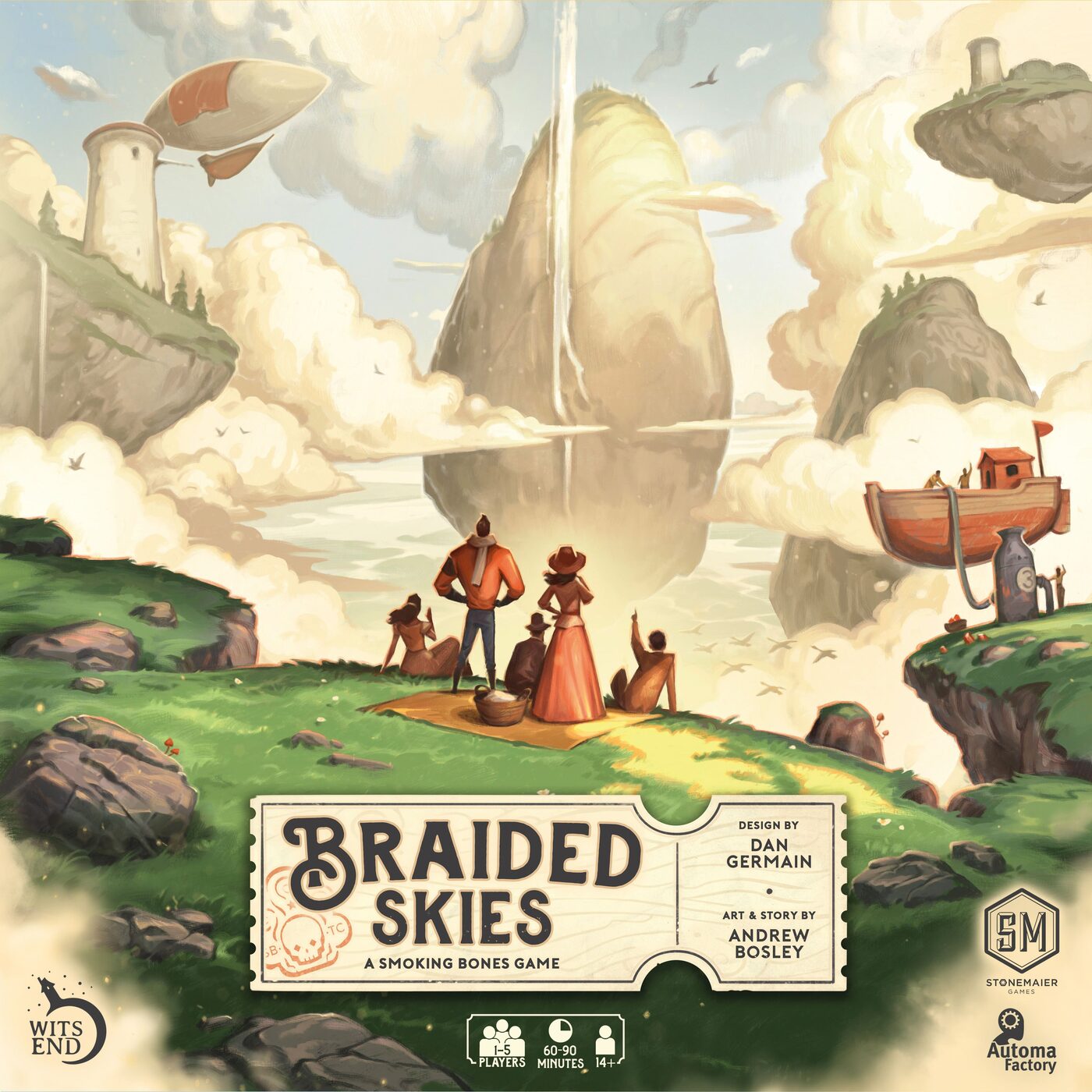
The biggest story is Braided Skies arriving straight at number one, and that is entirely a Stonemaier story. This is a competitive game for 1 to 5 players, designed by Dan Germain, set in the Smoking Bones universe - a new IP for the publisher. Play time is 60 to 90 minutes. Complexity appears high. The announcement landed on September 23rd and immediately lit up the community, because Stonemaier games carry a particular kind of trust: production quality is going to be good, the rulebook will be playable, and the game will almost certainly get to your table at some point even if it takes a few months. Whether Braided Skies turns out to be a genuine standout or a competent Stonemaier mid-tier title remains to be seen - retail arrives October 14th, right at Essen - but landing at number one on announcement week alone says everything about how much goodwill that studio has banked.

At number two, Electrify is a completely different kind of arrival. An AEG engine-builder about building power grids and meeting energy demand across twelve rounds of revolving sectors. One to four players, 45 to 75 minutes, weight around 3.0. It came to attention via Kickstarter and has been generating slow-burn interest rather than a dramatic reveal. The pitch - compete to supply a grid, favour cleaner energy sources, manage shifting sector demands - is not going to win any awards for novelty, but engine-builders with clean card-driven systems tend to find devoted audiences even when the theme is thin. The weight feels about right for the ambition.
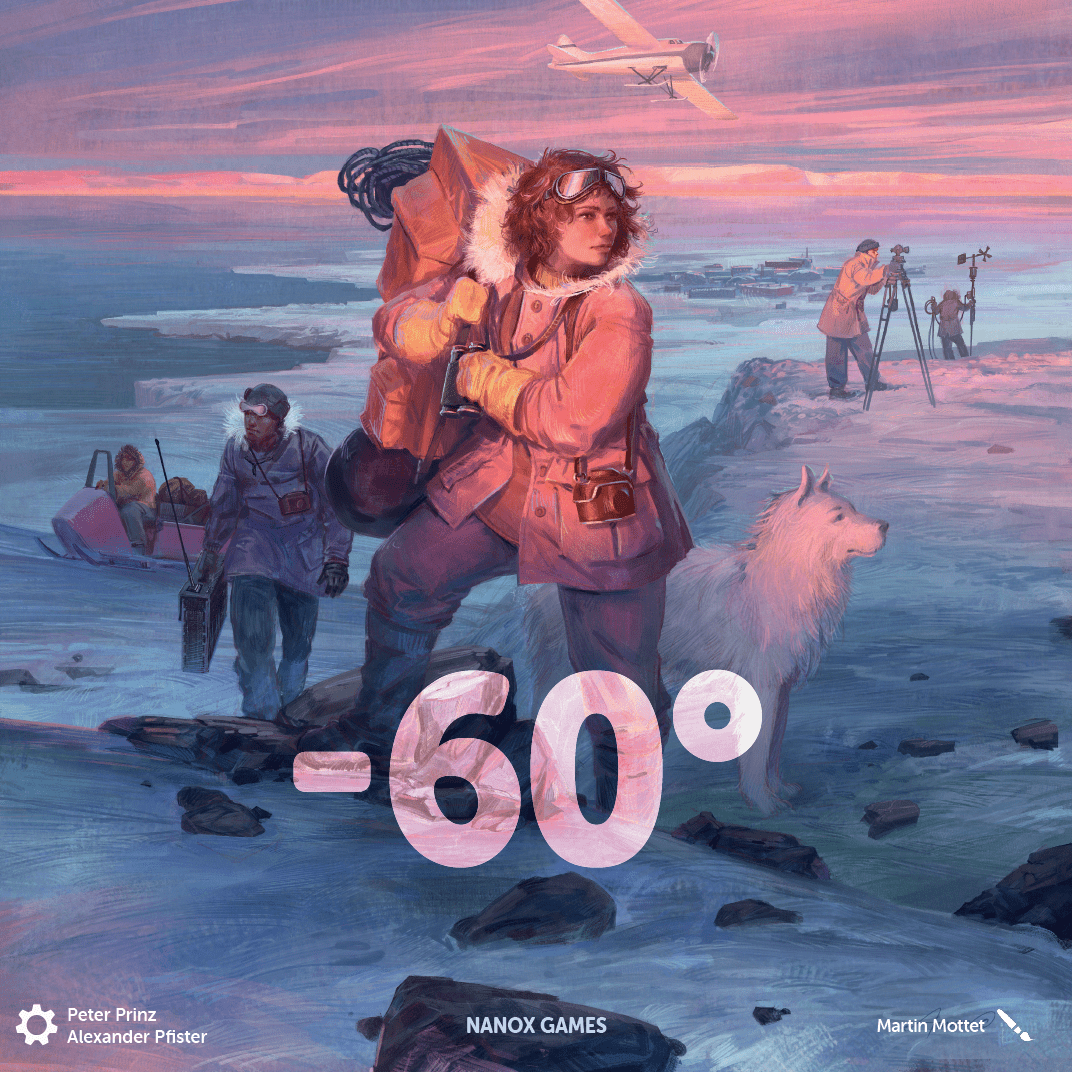
The third slot belongs to -60°, and this one is worth taking seriously. Designed by Alexander Pfister alongside Peter Prinz, published by dlp Games, it lands at Essen with a premise that immediately distinguishes itself from the usual fare. The setup: 11pm, September 23rd, 1971. Across an alternate version of our world, people notice a strange light. Three hours later, it hits Antarctica. You are a research team. Your job is to establish stations, scout the landscape, reach the meteorite impact site, and out-science your competition. Mechanisms involve deck and pool building, hand management, and push-your-luck elements. It runs 120 to 180 minutes and carries a weight in the 3.5 to 3.7 range. For Pfister fans - and there are many - that weight and run time is a reasonable buy-in for a new co-design from the maker of Great Western Trail and Maracaibo. For everyone else, it’s an attractive-looking mystery that needs proper table time before anyone can say whether the theme is more than window dressing on familiar Pfister mechanics.
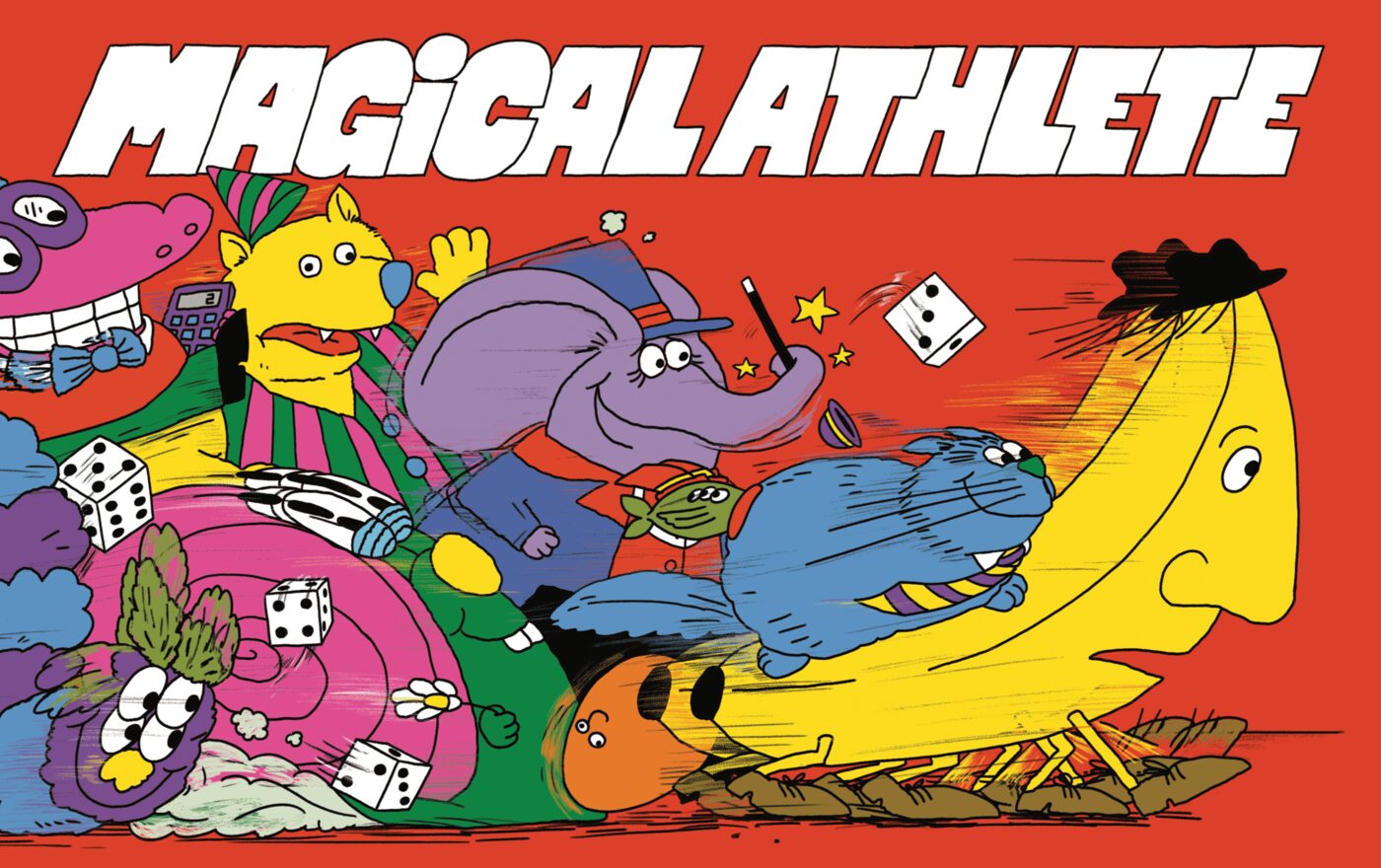
The fourth spot going to Magical Athlete is the week’s most cheerful data point. It moved up five places from ninth to fourth, which means whatever combination of reprint awareness, convention noise, and pure nostalgia drove it onto last week’s chart is still active. For the record: weight 1.21, 30 minutes, 2 to 6 players, nearly 9,000 ratings. This is not a game people are discovering. This is a game people are rediscovering and immediately shoving at whoever will listen. That energy tends to sustain itself for another week or two before settling back down. Enjoy it while it lasts.
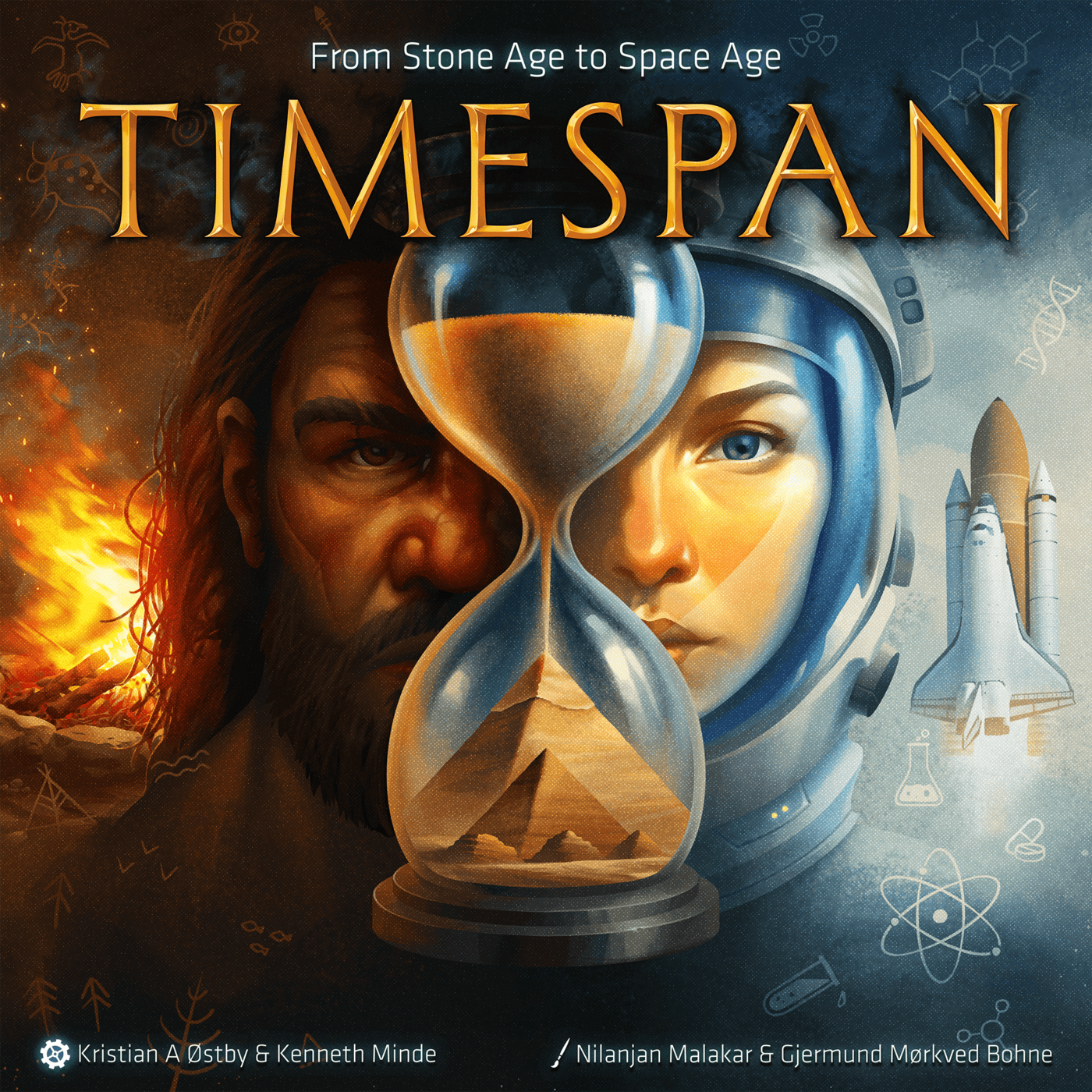
Timespan at five is the civilisation game pitch compressed to its purest sales point: lead your people from the stone age to the space age in roughly ninety minutes. Five rounds. Simultaneous action phases, which should keep downtime manageable. One to five players. Designed by Kenneth Minde and Kristian Amundsen Østby, who made Revive, Automania, and Bad Company - a catalogue that skews accessible and tight rather than sprawling. The Essen debut pricing should be around sixty-five euros. Early ratings are very strong at 8.3, albeit from a small pool. The civilisation genre has a recurring tension between ambition and duration: most of the great civ games take four to six hours and earn it. Whether Timespan can deliver the genre’s essential feelings - expansion, crisis, the creeping threat of someone else pulling ahead - in ninety minutes is the question that will determine whether it becomes a staple or a curiosity.
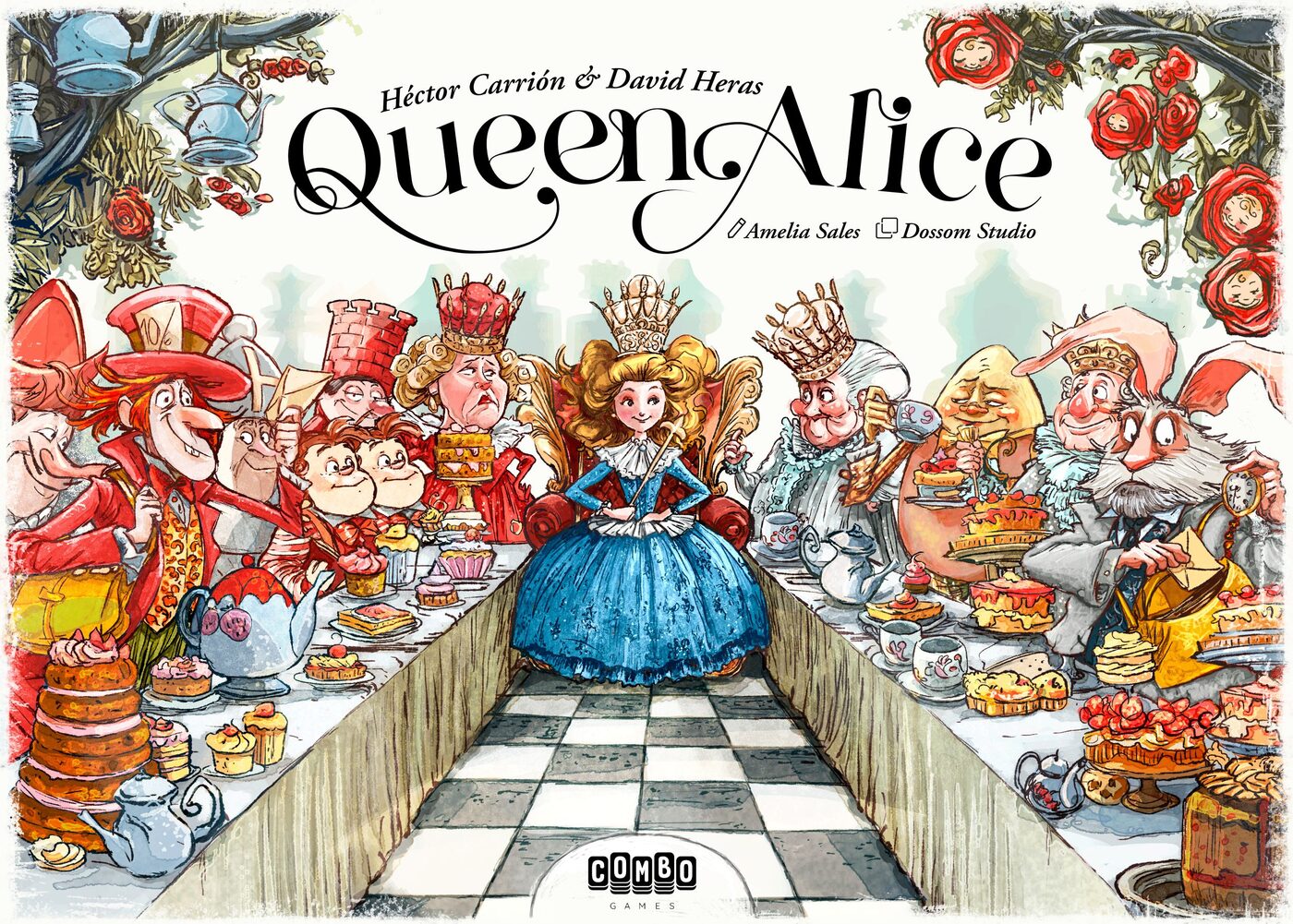
Queen Alice at six is the most intriguing entry in this week’s list if you care about early ratings as signal. It carries an 8.53 average from around 168 votes, which is extremely high for a game with that vote count, and a weight of approximately 4.0 - genuinely heavy, right up there with games that require an evening and a clear head. The concept is chess-inspired engine-building: 1 to 4 players, 30 to 120 minutes. It went through Gamefound late 2025 into early 2026 and campaign copies are now delivering. Designed by Héctor Carrión Benavent and David Heras Pino. The rating will regress as more people play it - it always does at this stage - but an 8.5 from over 150 backers who have now lived with the game suggests something real is there. The heavy euro crowd that has been waiting for the next thing to sink into should pay close attention.
Lairs at seven is the list’s structural wildcard: a two-player deduction game where you build dungeons for your opponent to navigate while navigating theirs. Published by Kids Table BG, runs about 35 minutes, ages 10 and up. The dungeon-builder-as-hidden-information-puzzle angle is a clever pitch. It doesn’t belong on the same list as -60° or Queen Alice thematically, but it does belong here as evidence that the Hotness has room for games that aren’t fighting for the “Essen heavyweight of the year” crown. Clean two-player games with a satisfying deduction core have an audience, and Lairs looks like it delivers one.
Personal Demons at eight keeps building momentum. This is the tile placement drafting game framed as a “group therapy ritual” for 1 to 4 players, running 30 to 60 minutes. Published by Tettix Games, designed by Judson Cowan. The concept - summon and seal away your own personal demons through simultaneous card selection and spatial placement - is distinctive enough to keep drawing curious looks. An 8.3 rating and a steady climb up the chart suggest it is landing well with people who have played it. Not the week’s biggest story, but a consistent presence that is clearly earning its position rather than just riding Essen hype.
Gaudí at nine is worth noting for the designer credit alone. Dani Garcia’s recent work includes Barcelona, Windmill Valley, and Arborea - a run that has made him one of the more reliably interesting names in euro design right now. Gaudí asks 1 to 4 players to move around a central rondel and collect Trencadís tiles, earning points across three pillars - Nature, Catalonia, Religion - with only the two lowest scores counting toward the final total. That balance mechanic creates a different kind of tension than a straight points race. Runs 60 to 100 minutes. From Devir. If you have liked anything Garcia has made in the past three years, this is immediately worth tracking.
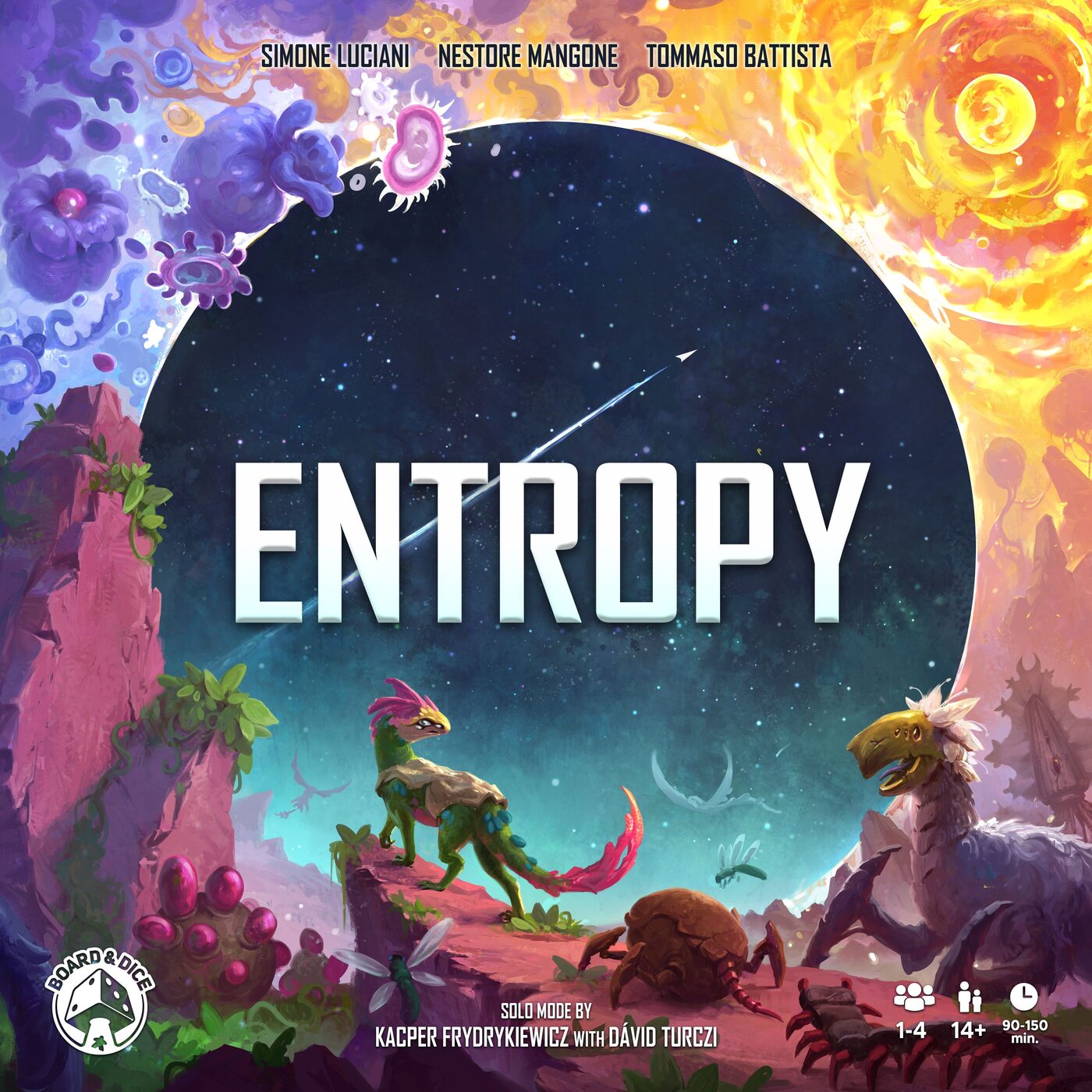
Entropy at ten is the Simone Luciani co-design - alongside Tommaso Battista and Nestore Mangone, the same team behind Barrage, Newton, and Darwin’s Journey - that has been bubbling in the background since it topped the Hotness in June with almost no ratings. Now it is here with actual copies in the wild and an Essen presence. The conceit is striking: you are a scientist-in-training who must prove mastery by creating solar systems, coaxing stars to life, shaping biomes, and seeding planets in a simulation. The end triggers when any two of six main objectives are completed, which creates variable game length and a race element that the Barrage crowd will recognise immediately. One to four players, 90 to 150 minutes, weight around 3.5. Board&Dice as publisher. If you have a Barrage-shaped hole in your collection and want a sci-fi framing instead of a dam, Entropy deserves a serious look.
The holdovers from last week tell a familiar story. The Lord of the Rings: Fate of the Fellowship gained two spots to eleven despite losing ground generally; the Middle-earth appetite on BGG apparently never fully exhausts itself. SETI and Ark Nova both slipped one place each to twelve and thirteen, which counts as almost invisible movement for games that have been on the list for extended stretches. The Old King’s Crown is the other notable mover among returners, climbing five spots to fourteen - quiet but persistent. Harmonies holds steady at sixteen. Spirit Island ticked up one to nineteen.
The big falls: Drillers dropped ten spots from five to fifteen, and Avalon: The Riven Veil fell ten from seven to seventeen. Neither vanished, but losing ten places in a single week is a meaningful signal that the Essen wave simply had more force than their current traction could absorb.
My read on next week: Braided Skies will stay high as Essen opens and the floor buzz amplifies. -60° and Entropy are both the kind of games that generate extended discussion - they won’t disappear after a single week. Queen Alice is interesting: it has real ratings behind it, not just wishlist noise, which gives it staying power the pure preview entries don’t have. And Timespan will either hold steady if convention buzz backs up the strong early ratings, or quietly fade if people actually play it at Essen and come away less convinced.
Which of these hot games is actually for you?
The Essen effect makes this list simultaneously exciting and treacherous for buying decisions. Everything at the top is either unreleased, just releasing, or campaign-fresh. But that doesn’t mean the list is useless - it maps the landscape of what people want right now, which tells you where the real-world demand is concentrating.
If you want the brand-new Stonemaier experience, Braided Skies is the obvious choice. The publisher track record means you will almost certainly get a well-produced, well-supported game with a clear rulebook and eventual wide retail availability. What you don’t yet know is whether the Smoking Bones universe has the hook, and whether Dan Germain’s design translates from the announcement pitch to a satisfying table experience. If you have been burned by preview hype before, wait for convention reports. If you trust Stonemaier to deliver something at least competent and probably good, October 14th is your date.
If you want the event game for your most ambitious game night, the choice is between -60° and Entropy, and the split is largely about theme and pedigree. -60° is a Pfister game with a genuinely evocative setup: alternate 1971, meteorite in Antarctica, push-your-luck expeditions through a hostile landscape. It runs up to three hours. That is a proper event game. Entropy is the Luciani/Battista/Mangone game, which means it will have the same crisp action economy and clever tension that made Barrage one of the most discussed euros of its era, dressed in a space-creation simulation. 90 to 150 minutes depending on play. If your group skews toward epic industrial eurogames, -60°. If your group skews toward tight engine-building with a strong combo feel, Entropy. Both will demand real attention and deliver real payoffs if the fit is right.
If you want the heaviest engine-builder with serious early validation, Queen Alice is the one to track. A 4.0 weight and 8.53 rating from over 150 backers is not nothing - that’s campaign copy owners who have had the game in hand, played it, and given it high marks despite knowing its complexity. The chess-inspired frame creates an unusual design space: engine-building around a system people already have emotional responses to. The 30 to 120 minute range on BGG almost certainly means the longer end is the norm at heavier player counts, so plan accordingly. Not the right choice for a casual Wednesday night, but exactly the right choice if you want something new to genuinely sink into.
If you want something light and anarchic that you’ll actually get played, Magical Athlete at weight 1.21 and 30 minutes is still the answer it was last week. The fact it climbed five more spots tells you the reprint buzz has not cooled. It will cause arguments. Those arguments will be funny. Someone will go home convinced the game is broken. That same person will want a rematch.
If you want a civilisation game but not a civilisation game session, Timespan is the most interesting bet on this week’s list. Stone age to space in ninety minutes sounds like a compressed compromise, but the designers’ track record with Revive suggests they know how to make a tight ruleset feel expansive rather than rushed. The simultaneous action phase structure means you won’t be sitting there while someone agonises over their ancient Rome builds for eleven minutes. Whether that ninety-minute promise holds at higher player counts is the key question Essen will start to answer.
And if your table’s sweet spot is two players and lateral thinking, Lairs is the week’s most underrated recommendation. Build a dungeon. Watch your opponent navigate it. Navigate theirs. Thirty-five minutes. Ages ten and up. That’s an elegant, low-overhead concept with clear replay value - and it fits in a gap that most of this week’s heavyweights emphatically do not.
This is Essen week. The chart will keep moving. But the games at the top of this list - Braided Skies, -60°, Queen Alice, Entropy - represent a genuinely strong incoming class. Not all of them will earn their hype. Some of them will exceed it. Convention floor impressions over the next few days will start to sort which is which.
This Week’s Top 20
| # | Game | Trend |
|---|---|---|
| 1 | Braided Skies | 🆕 NEW |
| 2 | Electrify | 🆕 NEW |
| 3 | -60° | 🆕 NEW |
| 4 | Magical Athlete | 🔺 +5 |
| 5 | Timespan | 🆕 NEW |
| 6 | Queen Alice | 🆕 NEW |
| 7 | Lairs | 🆕 NEW |
| 8 | Personal Demons | 🆕 NEW |
| 9 | Gaudí | 🆕 NEW |
| 10 | Entropy | 🆕 NEW |
| 11 | The Lord of the Rings: Fate of the Fellowship | 🔺 +2 |
| 12 | SETI: Search for Extraterrestrial Intelligence | 🔻 -1 |
| 13 | Ark Nova | 🔻 -1 |
| 14 | The Old King’s Crown | 🔺 +5 |
| 15 | Drillers | 🔻 -10 |
| 16 | Harmonies | ➡️ = |
| 17 | Avalon: The Riven Veil | 🔻 -10 |
| 18 | Brass: Birmingham | 🔻 -1 |
| 19 | Spirit Island | 🔺 +1 |
| 20 | Dorfromantik: South Seas | 🆕 NEW |
Dropped off: Whisperwood, Wildscape, The Crew: Journey to the Ends of the Earth, Dino Racer, Wingspan Pocket, Rebels Against Rebellion, Hell of a Deal, Rebirth, Forest Shuffle: Smoky Mountains, Vantage