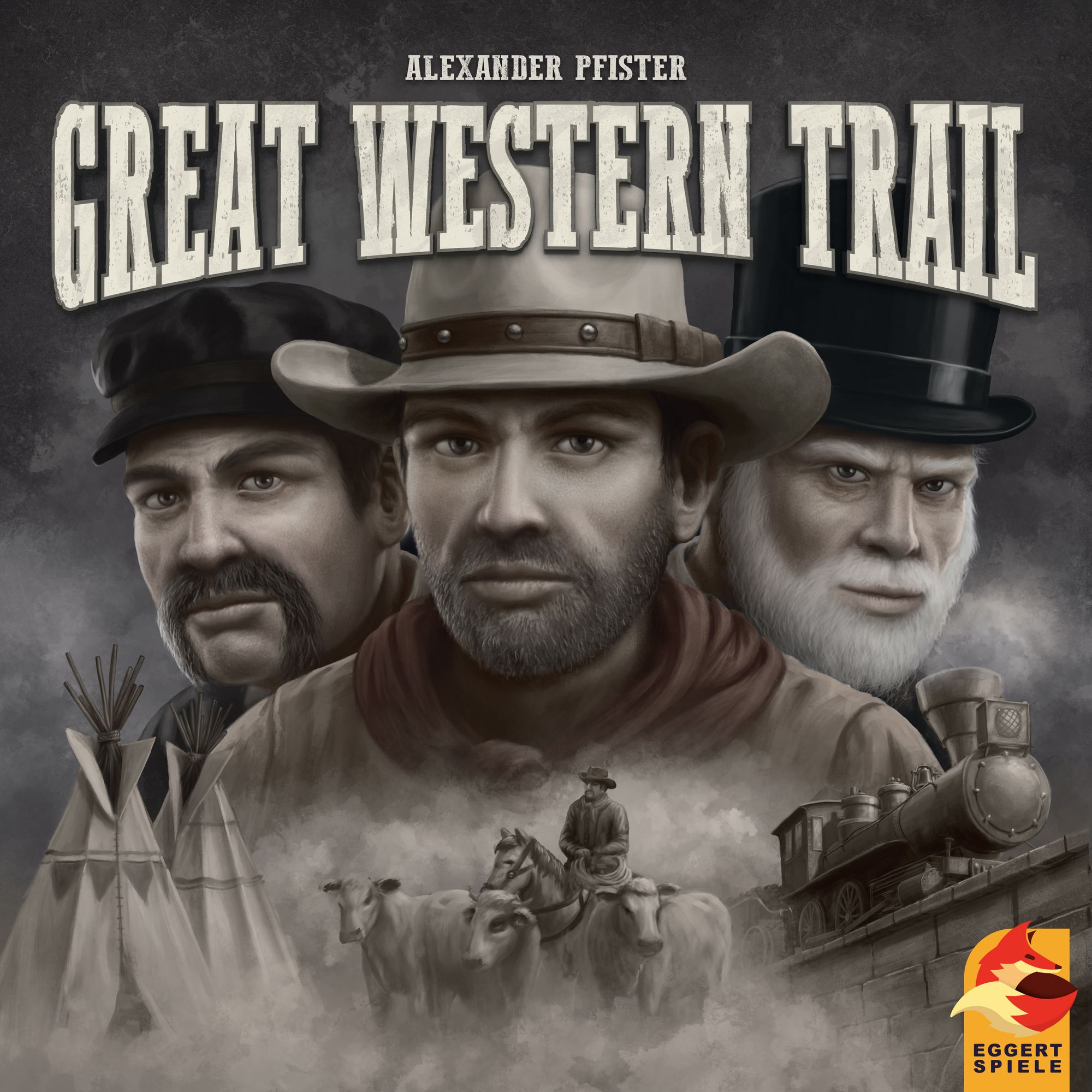
There are two kinds of heavy Euros: the ones that are hard because they’re complicated, and the ones that are hard because they’re dense. Great Western Trail is the second kind, and that’s why it’s one of the most commonly bounced-off games in the BGG top 20.
It’s currently ranked #19 on BGG with an 8.15 average across roughly 50,000 ratings and a weight of 3.69. Not mechanically extreme — Spirit Island is heavier at 4.08, and Food Chain Magnate sits at 4.19 — but GWT is the one people seem most likely to pack up on turn four and shelve for two years.
I’ve done that. I’ve watched friends do it. And then I watched all of us come back to it and have the same quiet realisation: the first game of Great Western Trail is a tutorial played at full price. The actual game — the thing that makes it a top-20 classic — is waiting for you on play three.

The bad first play
Let’s be honest about what happens the first time you open this box.
You read a 24-page rulebook about cowboys, craftsmen, engineers, hand limits, private buildings, neutral buildings, hazard tiles, teepees, station masters, jobs markets, foresights, and a cattle market that asks you to buy cows based on a number you don’t understand yet. You set it up. It takes 30 minutes. The table is covered in small wooden discs.
Then on your first turn someone says “okay, move your cowboy up to four spaces and choose a building action.” You look at fourteen options. You panic-buy some cattle. Your hand is now worse. You walk to Kansas City, sell your cattle for… three dollars? Four? You think this is a bad amount of dollars. You are correct.
By turn six you realise two things simultaneously:
- You’re building a deck, but you can’t see your deck, and some cards are in a weird “foresight” strip you forgot existed
- Everyone else is quietly compounding and you are quietly not
It’s a 150-minute game. You have 130 minutes left.
This is the canonical bad first play. It’s so consistent that it has its own sub-genre of BGG forum post. A typical one, paraphrased from a player named Dane on a thread titled “I hated this on first play” (from the game’s BGG comments section): “I spent 2.5 hours being ground into paste, then read the forums and realised I’d been drawing cards wrong the whole time. I was honestly going to trade it.”
He didn’t. Almost nobody who posts one of those threads actually does. That’s the first clue.
Why this game specifically breaks people
Most heavy Euros that break on first play break for one of two reasons:
- The rules are genuinely hard — like a Spirit Island (weight 4.08) where there’s just a lot of simultaneous interlocking text.
- The theme is opaque — like Food Chain Magnate (weight 4.19), where you’re doing corporate optimisation in clown makeup.
Great Western Trail is neither of those. The rules aren’t that hard. The theme isn’t abstract — you are literally herding cows down a trail to sell them. The problem is something weirder: GWT is a game where all of your turns are investments that pay out later, and on your first play you have no idea what “later” even looks like.
Every action on the board is setting up the next Kansas City delivery. Every cowboy you hire is making a cow you haven’t bought yet more valuable. Every engineer is unlocking a delivery city you haven’t seen. Every private building you place is changing the trail for the rest of the game. The game is a chain reaction, and on turn one you are holding a single matchstick in a cold room.
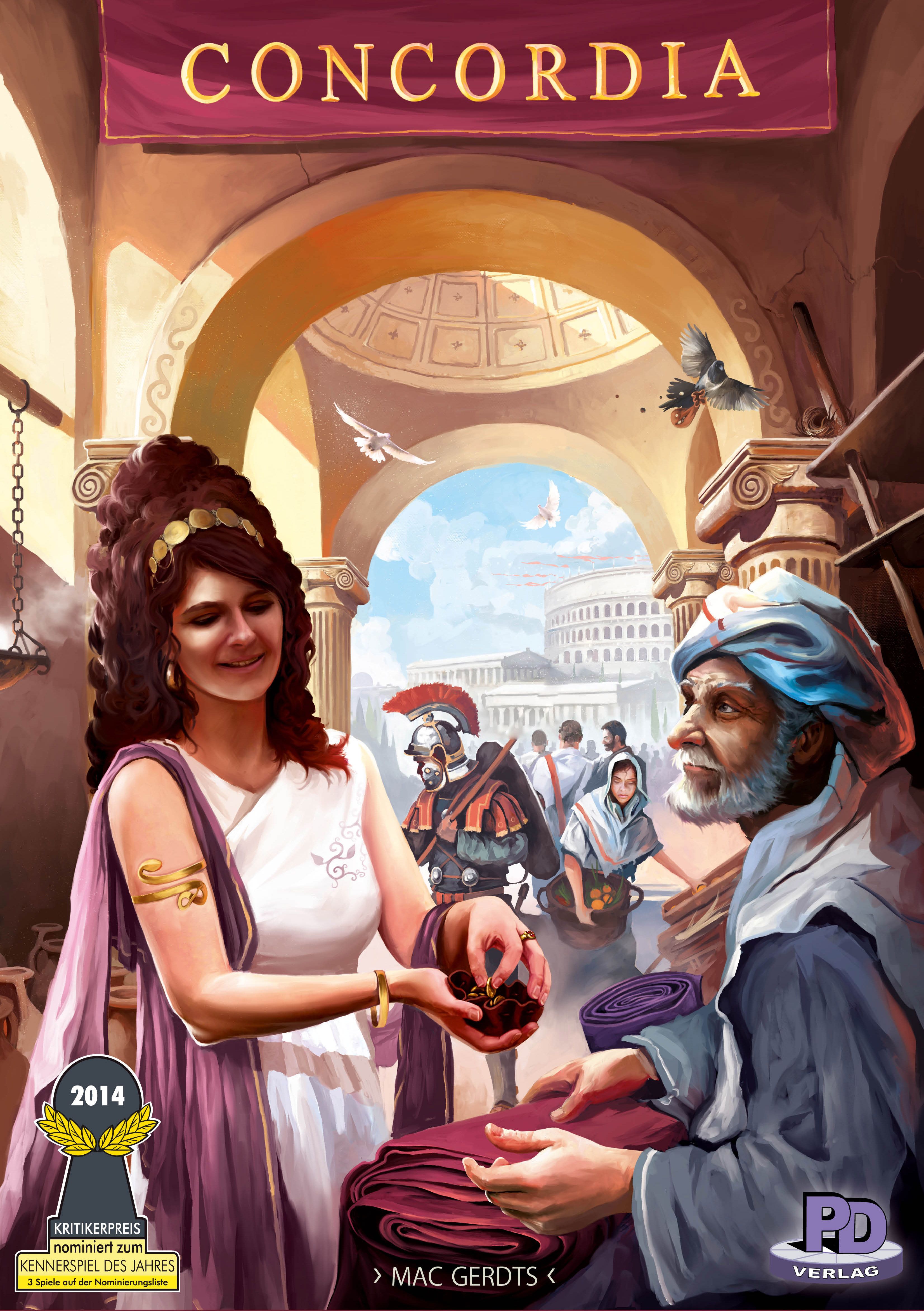
Compare this to something like Concordia (rank #29, 8.08 avg, weight 2.99) — which is also a “deckbuilder with a map” but plays cleaner on first contact, because Concordia is a 100-minute game where most of your turns are about playing cards rather than building them. GWT asks you to do both at once, for 150 minutes, with a cow market that taxes ignorance.
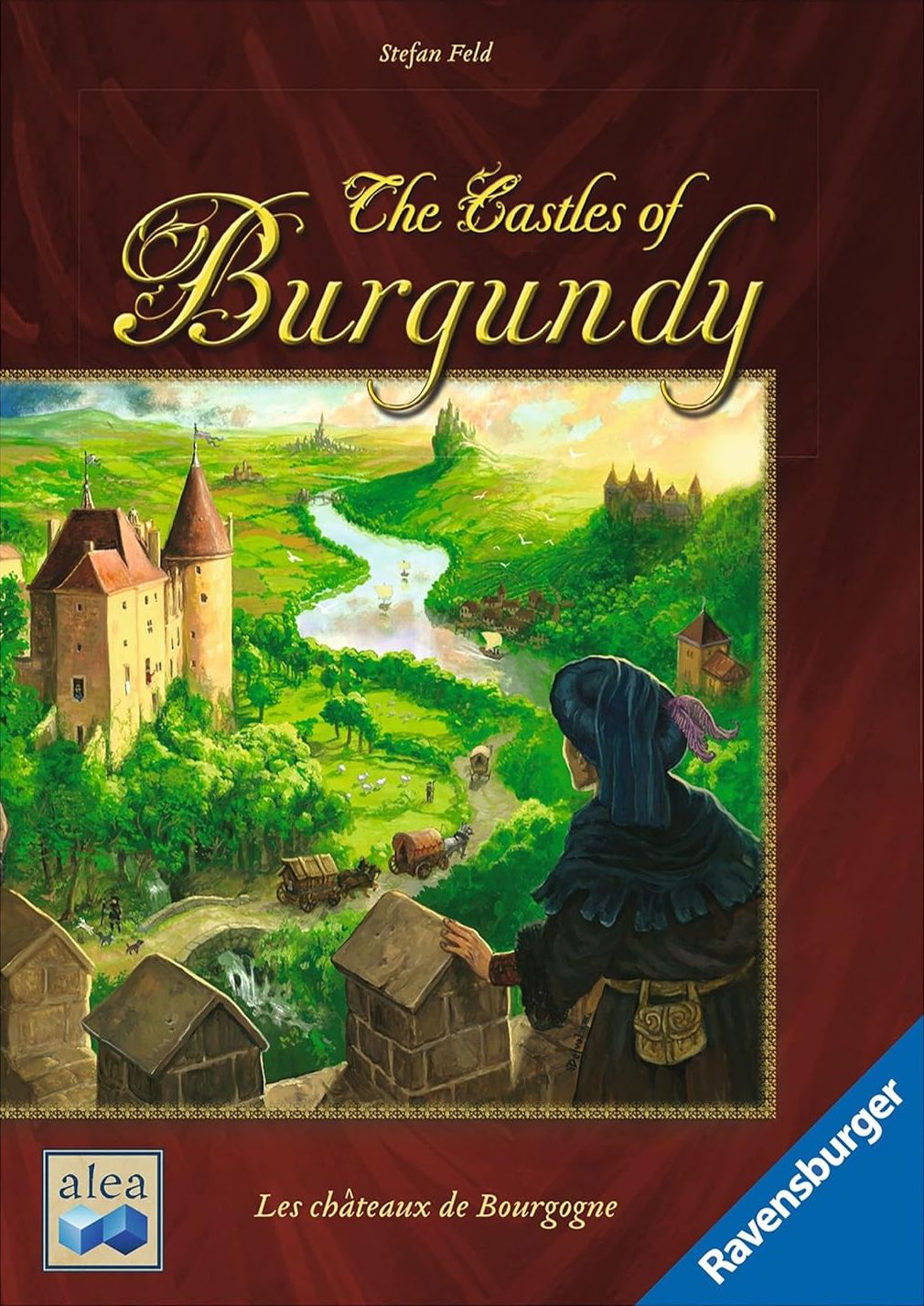
Or look at Castles of Burgundy (rank #15, 8.16 avg, weight 2.97) — another “dense but not complex” Euro that famously clicks on play two for most people. It has half the weight and two-thirds the length. It’s the control group. If GWT were that friendly, it would already be ranked higher.
The turn that makes it click
Ask ten people who stuck with Great Western Trail when it clicked, and at least seven will point at the same moment. It’s not a rule. It’s a turn.
It’s the turn where, somewhere in the middle of play three, you draw a hand of cattle, and you realise — before you move — that you’re going to deliver to Kansas City for more than 12 points, and that the reason you can do it is because three turns ago you hired a cowboy on a tile you chose specifically to reach the Angus in the cattle market, which you only saw because you built that engineer space on play two.
That sentence, if it parses as a coherent thought in your head on your own turn, is the click. You’ve stopped playing Great Western Trail: The Rules and started playing Great Western Trail: The Game.
Everything in GWT is legible in hindsight and invisible in foresight — that’s why it takes three plays, not one. You need the first play to see the structure, the second play to start planning across turns, and somewhere in the third play you get the turn where your own decisions loop back and pay you.
A few corroborating quotes you’ll find on any “second chance” thread for this game on BGG or r/boardgames (paraphrased but representative of real reviews for this exact game):
- “First game I came dead last by 40 points and felt robbed. Third game I won and immediately wanted to play again. The delta was that I finally understood that you don’t buy cows — you build a cow engine.”
- “I thought the foresights were noise. They are the game. Once I started planning my movement around what I knew would be in the foresight column next, everything changed.”
- “Nobody told me removing cards from your hand was as important as adding them. Once I used the KC hand-removal properly, it went from 4/10 to 9/10.”
The pattern in every one of those quotes is the same: a single mechanic that felt like flavour on play one turns out to be a load-bearing pillar on play three. Hand thinning. Foresights. Certification markers. The station master’s bonuses. None of them look important when you’re learning, and all of them are the engine.
What to actually do differently on play two
If you’re sitting on a copy you bounced off and you want to give it a real second chance, here’s what the happy-ending reviews keep repeating. Not rules corrections — play corrections.
- Pick a lane by turn three. Engineers (train track), Builders (private buildings), or Cowboys (cattle). Trying to be good at all three on your first real play is how you lose by 40 points.
- Thin your deck aggressively. Every time you deliver to Kansas City you can remove cards. Use it every single time. The game is about drawing your Angus — not owning it.
- Plan two Kansas City deliveries ahead, not one. What cows will you be holding when you arrive? What’s the best certificate you can have in hand next time, not this time?
- Respect the foresight column. It is free information about the next three things that will enter the board. If you’re not using it to pre-plan hires and hazards, you’re playing blind.
- Stop panicking about money on the first loop. The first trip to Kansas City is supposed to pay badly. You are building, not earning. If you’re comparing dollars on turn eight you’re losing the long game.
- Use a 90-minute teaching rule. If this is play two for a new group, put a 90-minute timer on play one, end it early, reset, play again the same session. The second half of a bad first play teaches almost nothing — the first half of a second play teaches everything.
None of these are house rules. They’re all just stuff the rulebook technically covers and the forums obsess over, because the game rewards planning the turn after next, not the turn you’re on.
The counter — who GWT still isn’t for
This is a second-chance review, not a conversion pitch. Some of the people who bounced off Great Western Trail are correct to have bounced, and a second play isn’t going to save it.
Don’t come back to it if:
- You hate long games with low interaction. GWT is 150 minutes of everyone solving the same puzzle with almost no direct conflict. If that made you antsy on play one, it’ll make you antsy on play three.
- You like your strategy legible. Some people want to look at the board and see what the right move is. In GWT, the right move depends on three turns of future information nobody tells you. It rewards being comfortable with deferred feedback, and that’s a taste, not a skill.
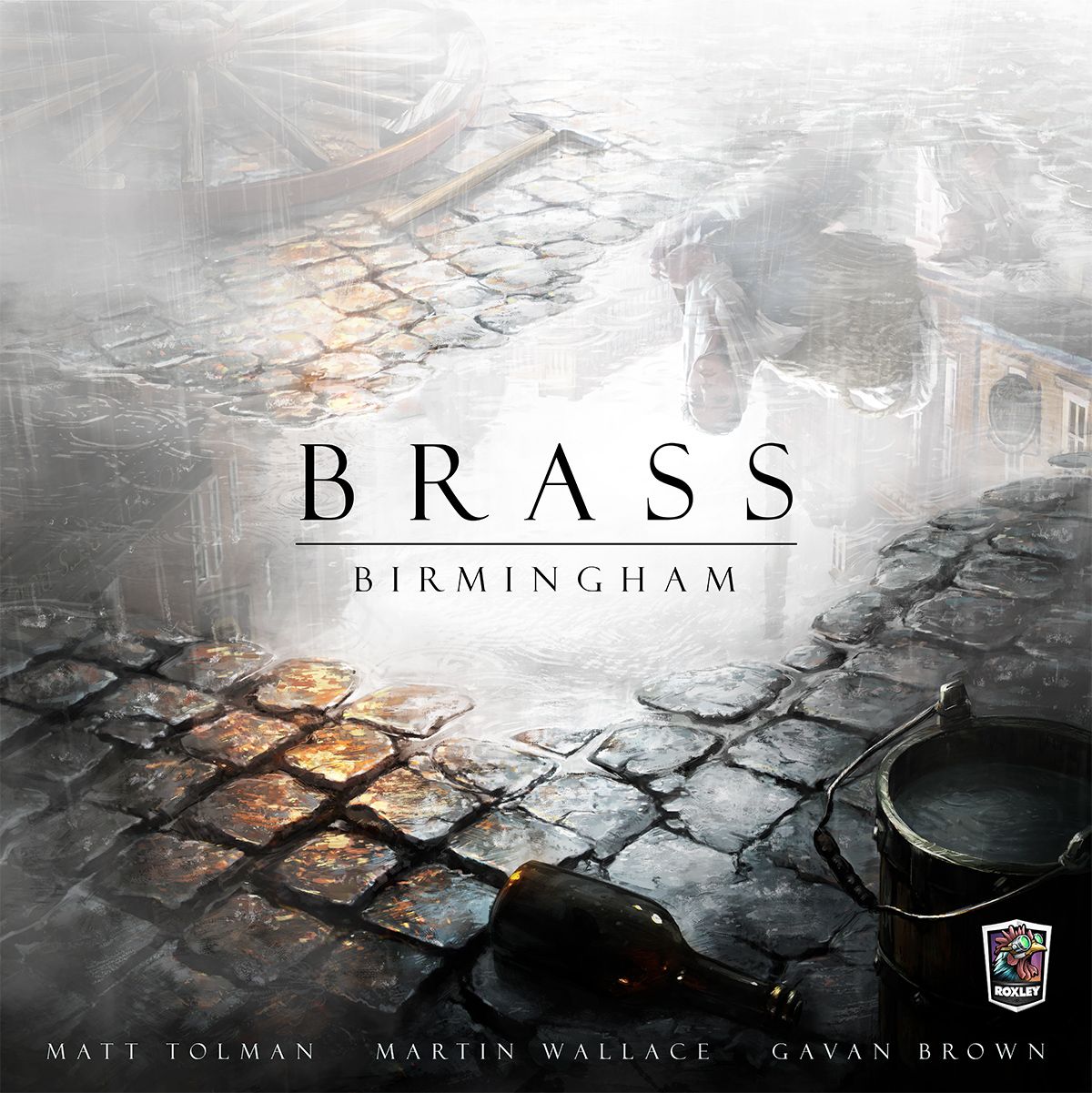
- You’re a 2-player household. The 2-player experience is functional but noticeably weaker than 3–4. The trail fills up with hazards more slowly and the cattle market is less contested. If you’re playing this only with one other person, Brass: Birmingham (rank #1, weight 3.86) or Concordia are better uses of 2-player time at similar-or-lower weight.
- You don’t have three plays in you. If you played it once, shelved it, and honestly can’t see yourself running it twice more back-to-back, that’s the game telling you. GWT doesn’t reward a single yearly play — it rewards a cluster.
- You already love Pfister and bounced anyway. Some people love Mombasa, love Maracaibo, love Boonlake — and still don’t click with GWT. The cattle-specific economic cycle is the actual thing you either enjoy or don’t, and it’s stable across plays.
The weight-versus-click chart, as honest numbers
Because this is a ranking-adjacent article, here is the actual BGG data I pulled this morning for the games I’ve referenced, ordered by weight (not rank), so nothing is getting sneakily reordered by vibes:
| Game | BGG Rank | Avg Rating | Weight | Playtime |
|---|---|---|---|---|
| Food Chain Magnate | #49 | 8.04 | 4.19 | 240 min |
| Spirit Island | #11 | 8.34 | 4.08 | 120 min |
| Terra Mystica | #35 | 8.03 | 3.97 | 150 min |
| Brass: Birmingham | #1 | 8.57 | 3.86 | 120 min |
| Brass: Lancashire | #23 | 8.20 | 3.85 | 120 min |
| Great Western Trail | #19 | 8.15 | 3.69 | 150 min |
| Concordia | #29 | 8.08 | 2.99 | 100 min |
| Castles of Burgundy | #15 | 8.16 | 2.97 | 90 min |
Two things to notice:
- GWT is not the heaviest game on this list, by a wide margin. Spirit Island and Food Chain Magnate are materially heavier. They also have stronger first-play reputations, because their “aha” moments happen earlier and the rules are telling you what they’re for.
- The games people don’t bounce off at comparable rank (Castles of Burgundy, Concordia) are substantially lighter and shorter. That’s the gap GWT is asking you to cross. The reward, once across, is a game that lives in the top 20 for a reason — but you have to stand in that gap for two-and-a-half plays to find out.
Verdict
Great Western Trail is the canonical second chance game. It has the shape of a game that should click instantly — clear theme, legible map, no hidden information — and then it refuses to click until you’ve played it roughly three times. Most people who bounced off it didn’t hate the game. They hated not understanding what the game was asking of them, which is a very different feeling, and it’s the one that responds to another play.
If you bounced and you still own the box, the rescue is short: block out a weekend, play it twice in two days, use the six corrections above, and commit to a 150-minute runtime without checking your phone. Most of the stories of people who came around to GWT are some version of that. It is almost never a case of someone sticking it out over a year of monthly one-offs. It’s a cluster or a shelf.
If you bounced and the description of “three turns of deferred planning with low interaction” sounds like your idea of nothing, trust that instinct. The whole thing this design rewards is the thing you didn’t enjoy — and Castles of Burgundy and Concordia are sitting right there, cheaper to teach, shorter, and inside the top 30.
And if you’ve never played it at all: go in knowing that your first game is the tutorial, your second game is the dress rehearsal, and your third game is where you decide whether it’s one of your favourite designs ever made. That’s the real deal it offers, and it’s worth taking honestly rather than being blindsided by it.
BGG data verified via the BoardGameGeek XML API on 2026-04-11. Box images courtesy of BoardGameGeek, copyright their respective publishers: eggertspiele / Stronghold Games (Great Western Trail), Roxley (Brass: Birmingham), PD-Verlag (Concordia), Ravensburger / alea (Castles of Burgundy).