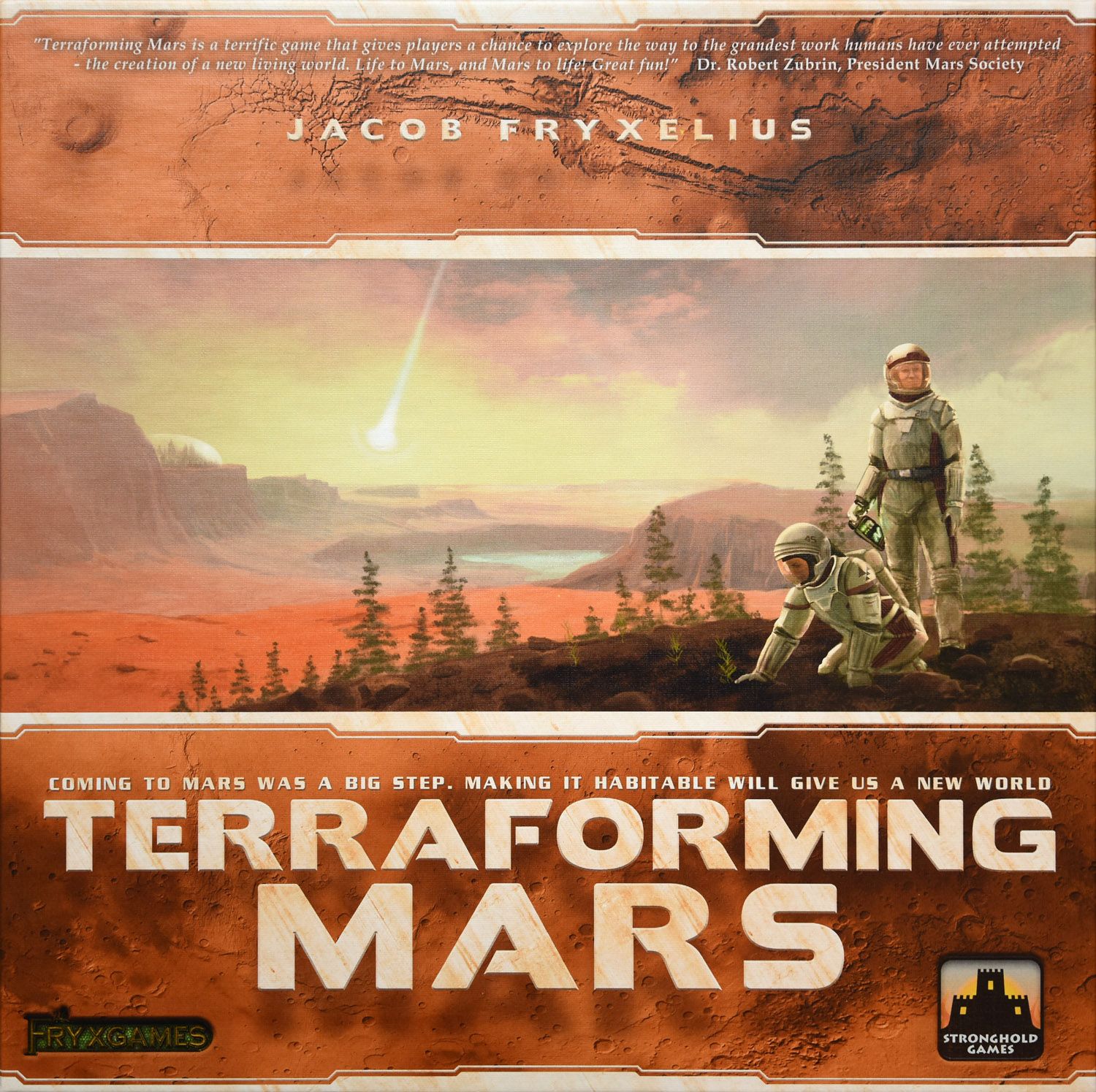
Terraforming Mars has been a staple of modern board gaming since 2016, and with good reason - few games nail that slow-build engine satisfaction quite like watching your card combos snowball across generations. But with six expansions now available, the buy-in can feel overwhelming. Which ones transform the experience, and which ones are dead weight?
We’ve ranked them all, from essential to skippable.
The Base Game at a Glance
Before diving into expansions, here’s where Terraforming Mars stands:
- BGG Rating: 8.34
- Weight: 3.27 / 5
- Players: 1-5
- Play Time: ~120 minutes
- BGG Rank: #9
It’s a titan. But even titans have room to grow.
🥇 1. Prelude - The One You Buy First
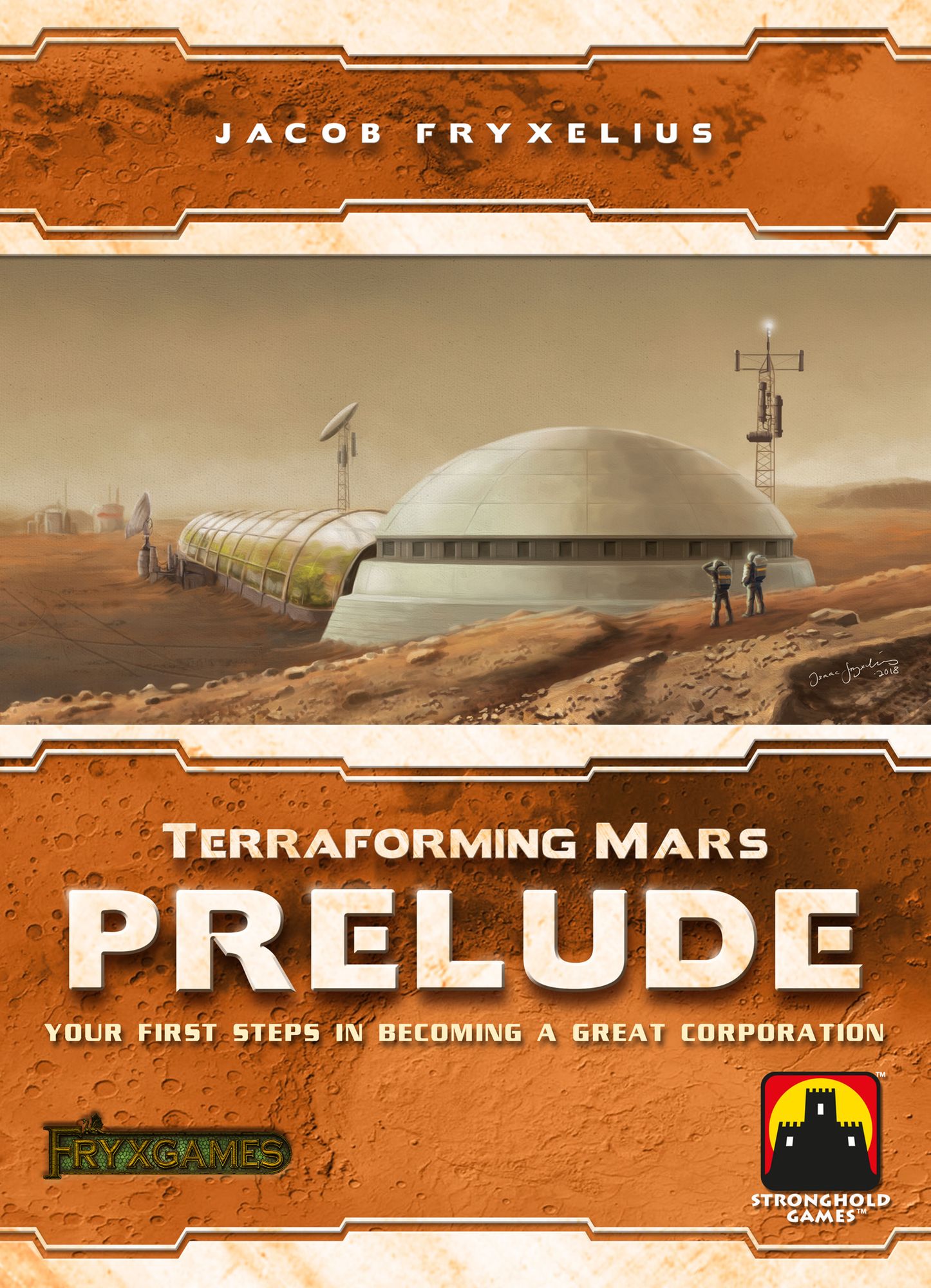
Terraforming Mars: Prelude | BGG Rating: 8.85 | Weight: 2.56
If you buy exactly one expansion, this is it. Full stop. The board gaming community is almost unanimously agreed on this point, and for good reason.
Prelude adds a draft of two starting cards that give you resources, production, or other bonuses at the start of the game. That’s it. That’s the whole expansion. And it’s transformative.
Why it’s essential:
- Cuts 30-45 minutes off game length by eliminating the slow, uneventful early generations where everyone’s scraping together 3 MegaCredits
- Creates asymmetry from turn one - your Prelude cards shape your strategy before you even see the project deck
- Makes corporations feel more distinct - the synergy between your corp and your Preludes creates genuinely different starting positions
- Zero added complexity - teach it in 60 seconds
The verdict: This isn’t really an expansion. It’s a patch. Terraforming Mars without Prelude feels unfinished once you’ve played with it.
🥈 2. Prelude 2 - More of the Best Thing
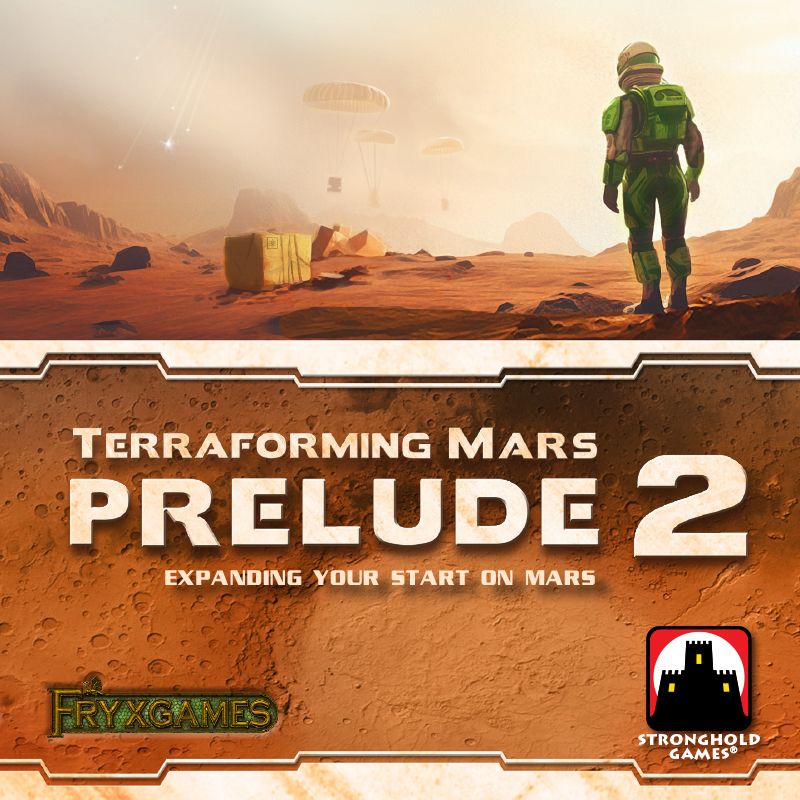
Terraforming Mars: Prelude 2 | BGG Rating: 8.41 | Weight: 2.38
Prelude was so good that they made another one. Prelude 2 adds more Prelude cards plus a handful of new project cards and corporations, following the exact same formula.
Why it ranks this high:
- Doubles your Prelude draft pool - more options means more interesting decisions at game start
- New corporations are well-designed - they create fresh strategic angles without power creep
- Stacks perfectly with original Prelude - just shuffle them together
- Still zero added complexity
Who should skip it: If you only play Terraforming Mars a few times a year, the original Prelude alone provides enough variety. This is for groups who’ve seen every Prelude card multiple times and want fresh draft options.
The verdict: Essential for regular players. A luxury for casual ones.
🥉 3. Colonies - The Underrated Workhorse
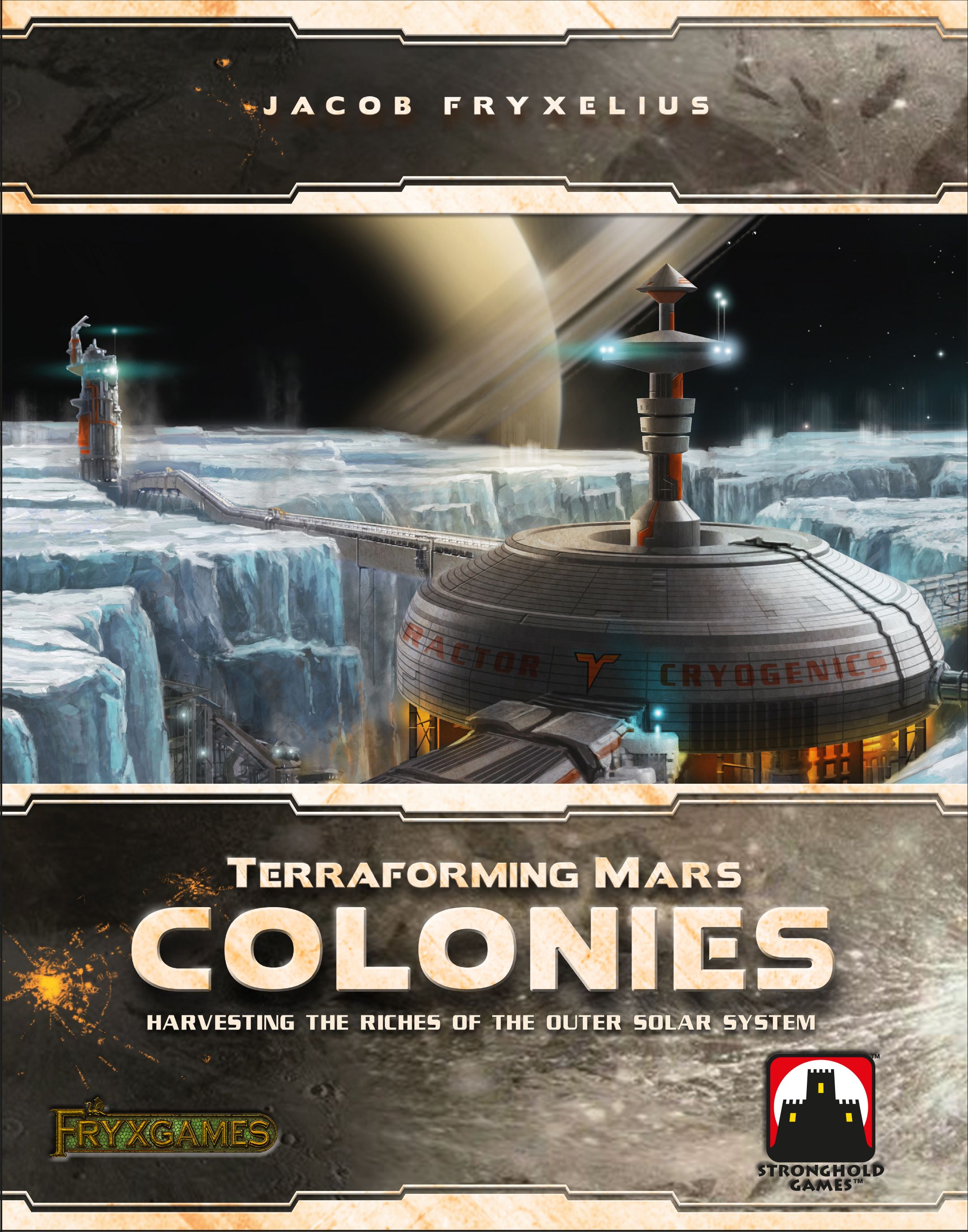
Terraforming Mars: Colonies | BGG Rating: 8.10 | Weight: 3.01
Colonies doesn’t get the love Prelude does, but it quietly solves one of Terraforming Mars’s biggest problems: the late-game economic plateau.
The expansion adds colony tiles representing moons and distant bodies in the solar system. You can trade with them for resources or send colonists for ongoing bonuses. The colonies’ resource tracks rise each generation until someone trades, creating a natural rhythm of tension and timing.
Why it works:
- Gives you something meaningful to do when the card market is dry or your engine’s humming but there’s nothing worth buying
- Creates player interaction - racing to trade before the colony track resets adds genuine tension
- Rewards economic diversity - titanium-heavy strategies suddenly have more outlets
- Scales well - the number of colonies adjusts to player count
The catch: It does add complexity. New players might find the colony tracks confusing on top of everything else. Not a first-expansion pick.
The verdict: The best “second expansion” to add after Prelude. Adds strategic depth without bloat.
4. Hellas & Elysium - Fresh Maps, Fresh Problems
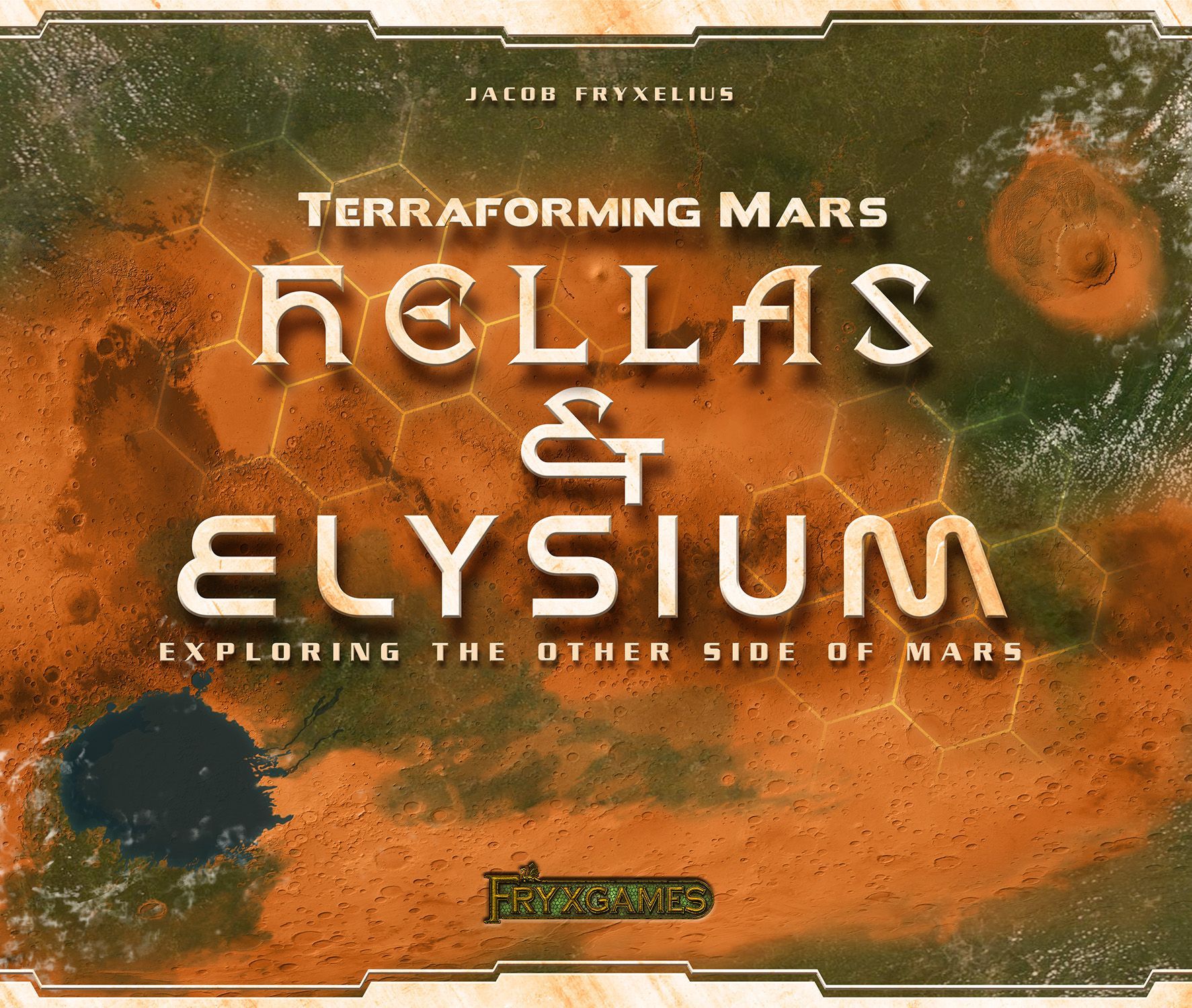
Terraforming Mars: Hellas & Elysium | BGG Rating: 8.38 | Weight: 2.78
This one’s simple: two new double-sided map boards with different milestone and award layouts. Hellas covers Mars’s southern hemisphere; Elysium covers the volcanic region around Olympus Mons.
Why it’s good:
- Completely changes the tile-laying meta - ocean placements, city adjacencies, and greenery strategies all shift
- New milestones and awards create different strategic priorities
- Elysium in particular is excellent - the geography creates tighter, more competitive placement decisions
- Cheap - it’s essentially a map pack
The catch: If you only play occasionally, the base map has plenty of life in it. This is variety for variety’s sake - valuable, but not transformative.
The verdict: Great value, especially Elysium. Buy it when you’ve worn grooves in the base map.
5. Venus Next - The Divisive One
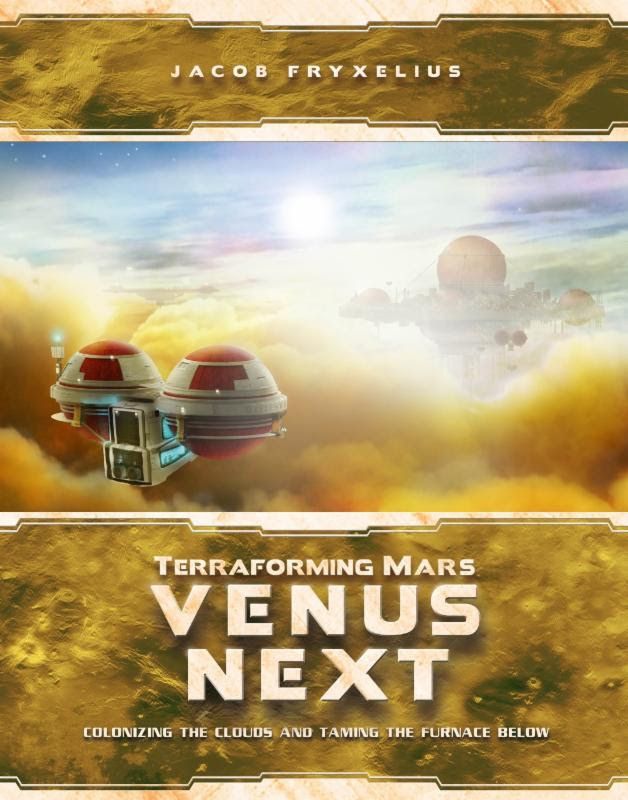
Terraforming Mars: Venus Next | BGG Rating: 7.57 | Weight: 2.87
Venus Next adds a new global parameter (the Venus track) and a batch of Venus-themed project cards. On paper, it expands the game. In practice, it’s… complicated.
The good:
- More cards means more variety in the project deck
- The Venus track gives players who aren’t heavily invested in Mars terraforming another path to contribute
- Some genuinely fun Venus cards - the science-tag synergies are satisfying
The bad:
- Adds game length - you’ve now got a fourth global parameter to push, and no one’s in a hurry to do it because Venus points are less efficient than Mars ones
- The Venus track often gets ignored - in competitive play, focusing on Venus is usually suboptimal, which means someone has to be “Venus guy” or the track drags
- Doesn’t solve any problems - unlike Prelude (fixes slow starts) or Colonies (fixes late-game plateau), Venus just adds more stuff
The verdict: Not bad, but not essential. Include it if you want maximum card variety. Leave it out if your games already run long.
6. Turmoil - The Heavyweight
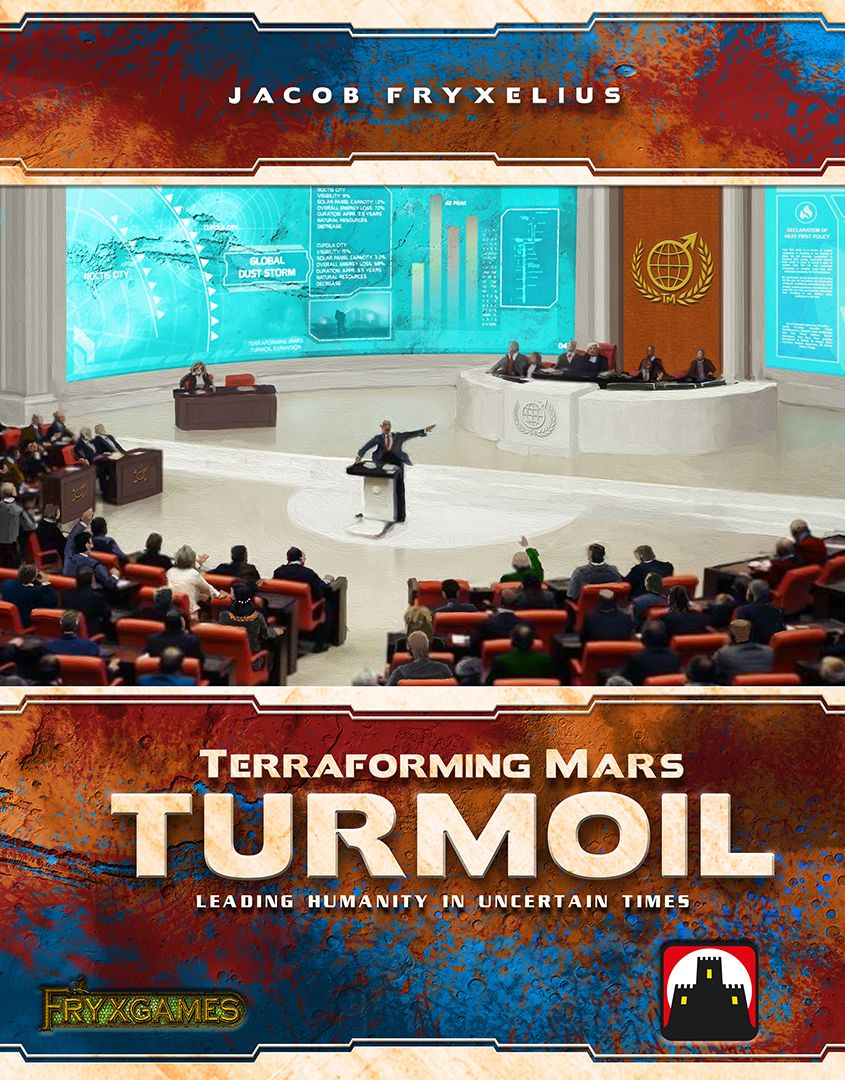
Terraforming Mars: Turmoil | BGG Rating: 7.47 | Weight: 3.68
Turmoil adds a political layer to Terraforming Mars. A global government with rotating parties, delegates, a chairman, and policy effects that shift each generation. It’s the most ambitious expansion in the box - and the most polarising.
The good:
- Genuinely new strategic dimension - manipulating party dominance to trigger favourable policies is a real game-within-a-game
- Creates narrative moments - a well-timed political coup that tanks your opponent’s production is deeply satisfying
- Rewards long-term planning - you’re thinking 2-3 generations ahead about which party will be ruling
The bad:
- Massive complexity spike - at weight 3.68, this pushes Terraforming Mars from “heavy-medium” into “genuinely heavy” territory
- Adds significant game length - the political phase adds overhead every single generation
- Can feel random - the global event deck can swing games in ways that feel arbitrary
- Hard to teach - adding this to a group still learning the base game is a recipe for glazed eyes
The verdict: For dedicated groups who’ve played 20+ games and want a new challenge. For everyone else, it’s more weight than it’s worth.
The Recommended Buy Order
Here’s how we’d spend your money, assuming you’re starting from the base game:
- Prelude - buy immediately, play with it always
- Prelude 2 - buy when you want fresh Prelude cards (regular players: sooner; casual: skip)
- Colonies - buy when you want more strategic depth
- Hellas & Elysium - buy when the base map feels stale
- Venus Next - buy if you want maximum card variety and don’t mind longer games
- Turmoil - buy only if your group specifically wants political complexity
And if money’s tight? Just Prelude. Seriously. It’s the single best expansion purchase in modern board gaming.
Quick Reference
| Expansion | BGG Rating | Weight | Adds Time? | Essential? |
|---|---|---|---|---|
| Prelude | 8.85 | 2.56 | −30 min | ✅ Yes |
| Prelude 2 | 8.41 | 2.38 | None | For regulars |
| Colonies | 8.10 | 3.01 | +15 min | Recommended |
| Hellas & Elysium | 8.38 | 2.78 | None | Nice to have |
| Venus Next | 7.57 | 2.87 | +20 min | Optional |
| Turmoil | 7.47 | 3.68 | +30 min | Niche |
What’s your go-to Terraforming Mars setup? Are you a Prelude purist or do you throw everything in the box? Let us know on Twitter.