
BGG Rating: 8.54 · Rank: #2 · Weight: 3.80/5 · Players: 1-4 · Time: 90-150 min
Ark Nova has spent the better part of three years as the most-talked-about board game in the hobby. It sits at #2 on BoardGameGeek. It has over 88,000 registered owners. Reviewers stack superlatives on it like cards in a tableau. And it costs north of £60 at most UK retailers.
So here’s the real question: is it worth it for you?
Not for some abstract “serious hobbyist.” For you, your table, your group, and your shelf.
What You’re Actually Buying
Ark Nova puts you in charge of building a scientifically managed zoo. Your goal isn’t just ticket sales - it’s conservation: funding projects, accommodating animals in biologically appropriate enclosures, and earning more conservation points than your opponents by end of game.
The box contains over 200 animal cards, nearly 70 sponsor cards, project tiles, and enough components to make a thud when you set it down. Setup is a legitimate 15-20 minutes. The rulebook runs to 32 pages.
The central mechanic is the action strength track - you have five action cards (Animals, Sponsors, Build, Cards, Association), and the one you play least recently is the most powerful. Every action reshuffles the track. It’s a deceptively elegant system that creates a constant tension between what you want to do and how powerful you’ll be doing it.
Where It’s Genuinely Brilliant
The card variety is staggering. After ten plays you’re still drawing animal combinations you’ve never assembled. A Flamingo that triggers whenever you add another pink-tagged bird. A Snow Leopard that grants bonus reputation every round. A Conservation Project that lets you bend the rules on enclosure requirements. The deck is so deep that the game is functionally inexhaustible.
The theme doesn’t just sit on top of the mechanics - it drives them. Different animals need different habitats. African savannah species cluster differently than Arctic animals. Conservation bonuses reward geographic and habitat diversity. You’re not just playing cards; you’re building something that looks and behaves like a zoo.
The solo mode is among the best in the hobby. The built-in Automa (and the community-designed ARNO alternative) provides a credible challenge without requiring a second player. If your group can’t always assemble four people around a table, the box still earns plays.
The Real Barriers - Stated Plainly
Here’s what nobody tells you loudly enough:
The first teach runs long. Not 150 minutes. Closer to 3 hours, often more, including rules explanation. Experienced players can run a two-player game in 90 minutes, but your first three plays will feel like orientation week. That’s not a flaw, but it’s a commitment.
Iconography density is high. The cards are packed with symbols. There’s a quick-reference card, and you’ll need it. Players who bounce off icon-heavy games - Wingspan is fine, but Spirit Island’s symbol soup is maddening - may find Ark Nova’s first session exhausting.
Interaction is indirect. Ark Nova is parallel-optimisation with a shared card display. You race on conservation and appeal tracks. You compete for cards before your opponent can draft them. But if your group wants confrontation - take-that mechanics, direct interference, negotiation - this isn’t that game.
Four-player games stretch. Two-player Ark Nova is the sweet spot: tight, focused, around two hours. At four players it can push close to three. That’s not inherently bad, but it narrows when you can table it.
How It Compares
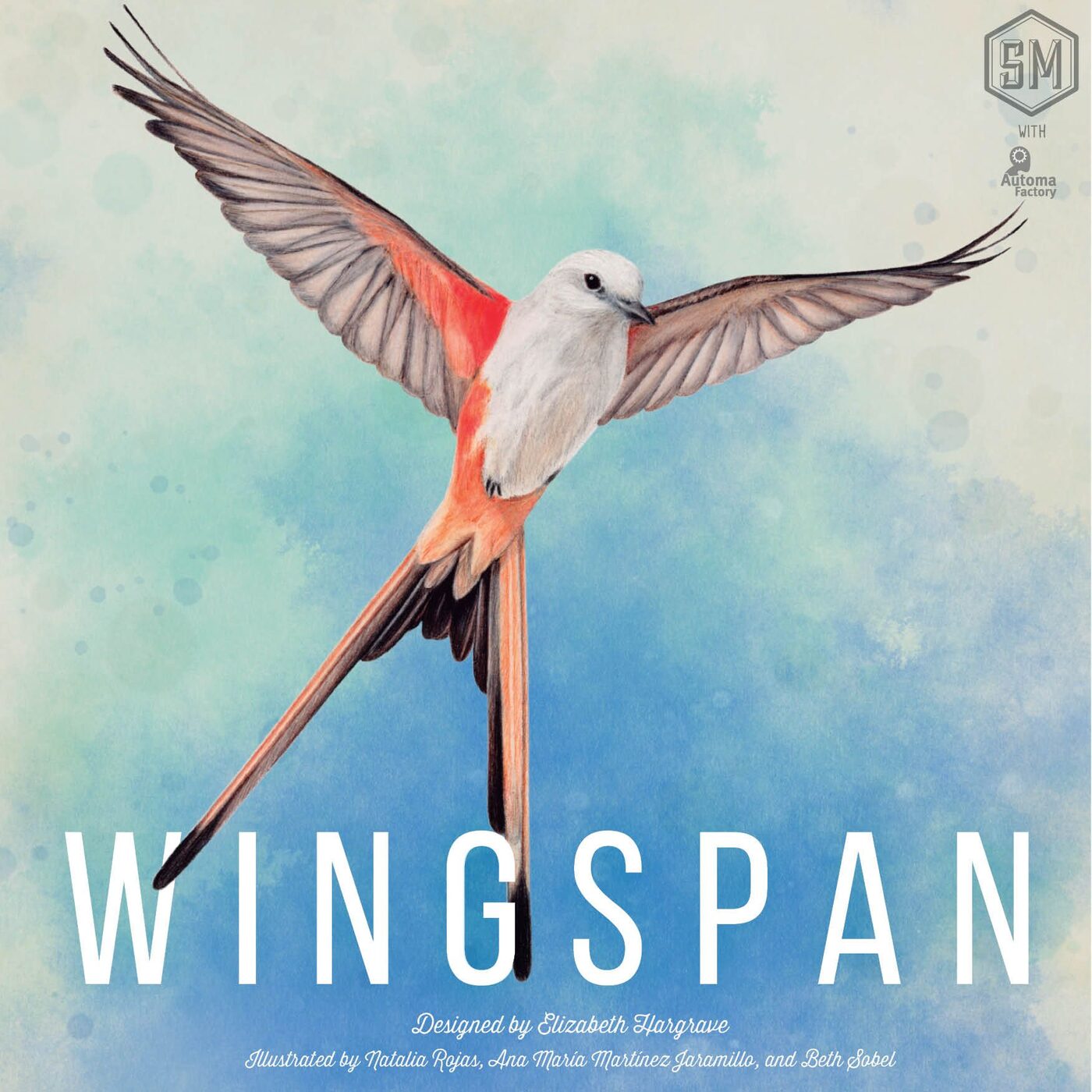 Wingspan (BGG #38 · Weight: 2.48 · 70 min) - the lighter nature-themed alternative
If Wingspan is in your collection and you love it, Ark Nova is the heavier, longer, richer version of that instinct. Same appeal - beautiful wildlife theme, engine-building satisfaction - but twice the weight and twice the playtime.
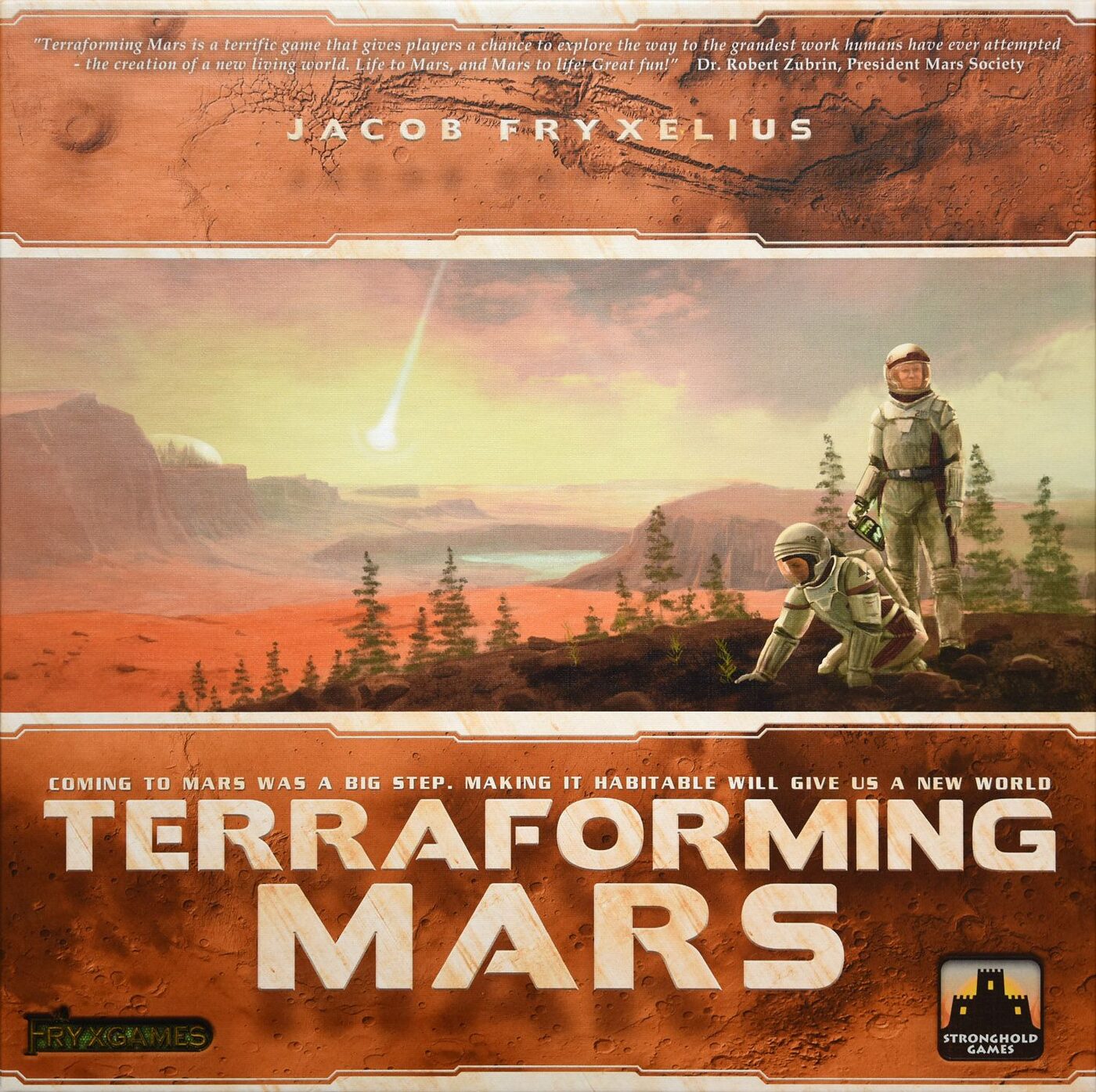 Terraforming Mars (BGG #9 · Weight: 3.27 · 120 min) - the closest mechanical cousin
Terraforming Mars is the fairest comparison. Both games are tag-driven card engines with parallel optimisation and indirect competition. Ark Nova is heavier (3.80 vs 3.27), tighter in design, and - for most players - more replayable thanks to deeper card variety. If you already love TM, Ark Nova is a serious upgrade.
Who Should Buy It
Buy it if:
- You enjoy heavy strategy games and can give them the table time they need
- At least one other person in your household shares that appetite
- You want a solo mode that’s actually worth playing, not a bolted-on afterthought
- You’re prepared to invest 2-3 sessions before the game fully clicks
Skip it if:
- Your sessions cap out around 90 minutes and that’s a firm limit
- Your group wants confrontational games or social deduction
- Heavy iconography is a dealbreaker for your players
- You’re looking for a gateway game for new players
The Value Question
At ~£60-70, Ark Nova isn’t cheap. But compared to the cost of a restaurant dinner or a night out, it’s a box that delivers 40-60 hours of play across its lifetime for a typical group - and that’s a conservative estimate for anyone who gets hooked.
The caveat: those 40-60 hours only materialise if the game clicks for your group. Buy it for the wrong table and it’s an expensive shelf piece. The solo mode is a meaningful safety net - even if your group loses interest, the box can still justify itself.
Price alert tip: Ark Nova’s retail price swings noticeably between retailers. Setting a price alert on CamelCamelCamel or Zatu often lands it at £45-50 during sales windows.
If you’re curious about taking the game further, we covered the Marine Worlds expansion separately - it’s an easy add for anyone who’s already played the base game five or more times.
Verdict
Yes, buy it - with one condition.
Ark Nova is one of the strongest game designs of the 2020s. Its BGG ranking isn’t an accident or a hype cycle; it reflects genuine replay depth that holds up across dozens of plays. The action-strength system is innovative. The card variety is exceptional. The solo mode belongs in a different conversation from most solo implementations.
The condition is table fit. This game requires patient players who are past the gateway stage and willing to invest a long first session. For the right group, it’s a near-permanent addition that keeps earning plays for years. For the wrong group, it’s a beautiful, expensive box that sits unopened.
Know your table. If the description above sounds like your people: buy it.
Data sourced from BGG · Box art used with attribution via BGG