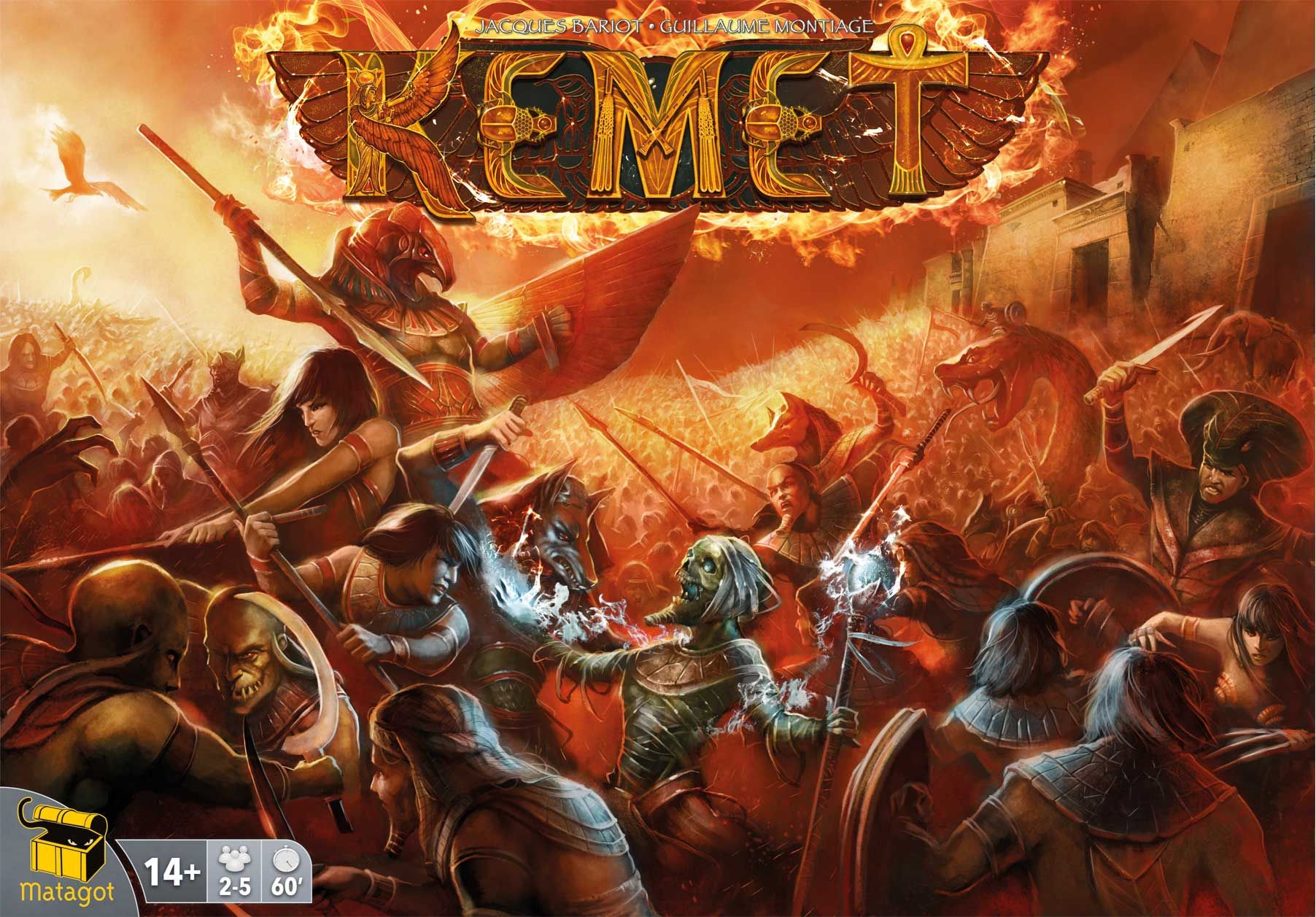
Everyone knows the “dudes on a map” genre. You plonk miniatures on territories, build armies, and smash your neighbours until someone controls enough stuff to win. Blood Rage does it. Kemet does it. Risk has been doing it since your grandparents were young.
Inis does something different. It puts warriors on a map, gives you every tool to fight - and then makes winning through combat almost impossible.
This is the area control game that rewards the diplomat, the reader of the room, the player who knows when not to act. And it’s been quietly sitting at a 7.8 rating on BGG with 23,000 ratings while its louder cousins steal all the attention.
Why Inis Gets Overlooked
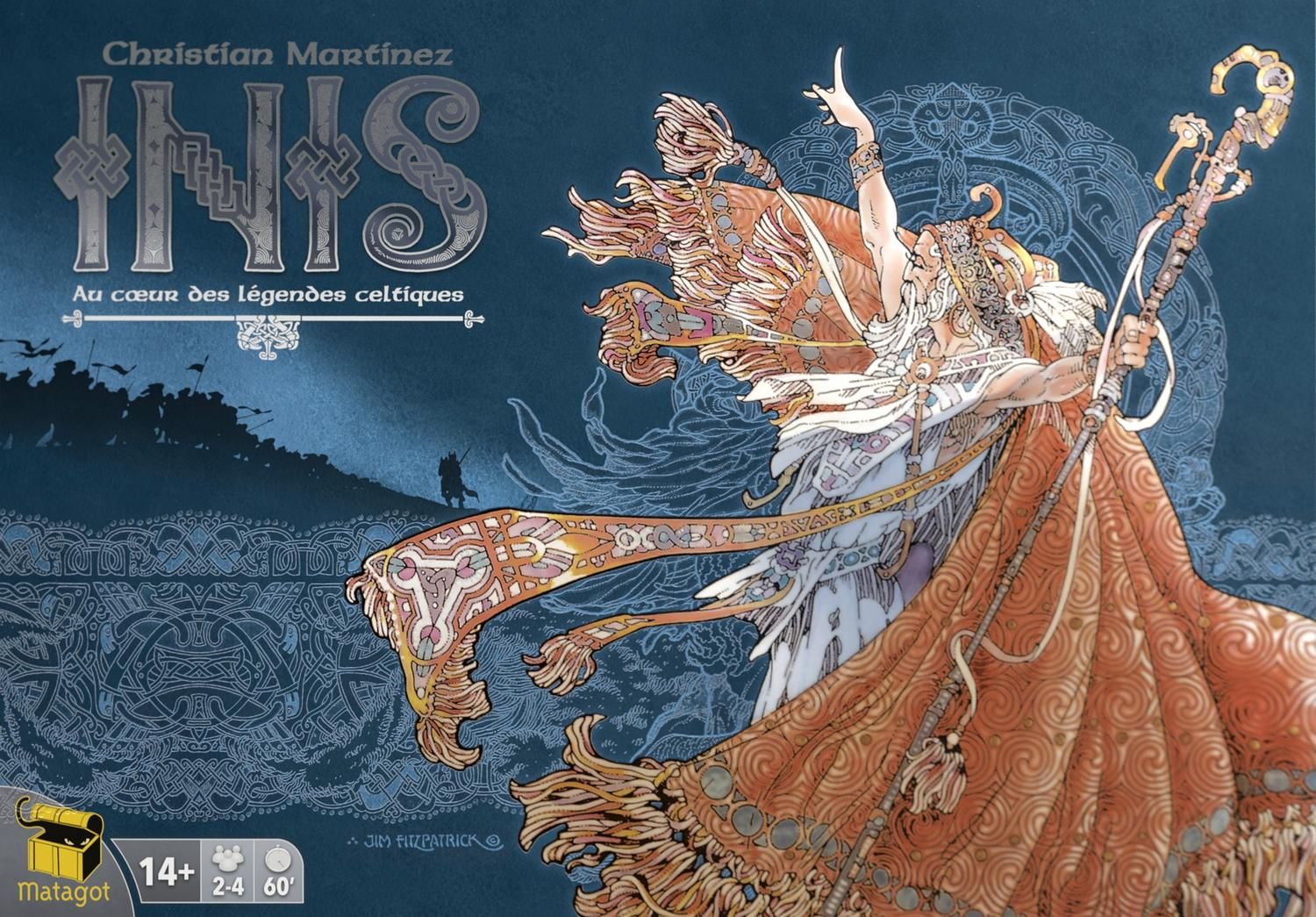
Inis has an identity problem. It looks like a wargame - Celtic warriors, territories, clashing clans. But it plays like a hand management puzzle wrapped in a negotiation game. People who want Blood Rage’s visceral combat bounce off it. People who’d love its subtlety never pick it up because the box screams “another miniatures brawler.”
Here’s how it stacks up against the competition:
| Game | BGG Rating | Weight | Rank | Players | Time |
|---|---|---|---|---|---|
| Root | 8.07 | 3.84 | #34 | 2-4 | 90 min |
| Blood Rage | 7.90 | 2.88 | #65 | 2-4 | 90 min |
| Inis | 7.81 | 2.94 | #125 | 2-4 | 60-90 min |
| Kemet | 7.62 | 3.00 | #199 | 2-5 | 120 min |
| Cyclades | 7.49 | 2.82 | #270 | 2-5 | 90 min |
Inis sits right in the middle of this crowd in terms of rating and complexity, yet gets a fraction of the hype. Root has its asymmetry. Blood Rage has CMON’s miniatures marketing machine. Kemet has the flashy power tiles. Inis has… nuance. And nuance doesn’t sell itself.
How It Actually Works
Each round begins with an Assembly - a card draft. You receive a hand of Action Cards and pick one, passing the rest. This is where the game is won and lost. Every card in Inis is powerful, and knowing what you passed to your opponent is critical information.
The three victory conditions run in parallel:
- Leadership - Be the leader of territories containing at least six opposing clans
- Land - Have your clans present in at least six different territories
- Religion - Have clans in territories that collectively contain at least six sanctuaries
Notice something? Two of the three victory conditions require other players’ pieces to be near yours, or for you to spread thin rather than dominate. You don’t win by wiping the board clean - you win by being present in the right places at the right time.
Combat exists, but it’s a war of attrition where both sides lose units. Every fight costs something, and a pyrrhic victory can hand the game to the player who sat back and quietly expanded while you were busy bleeding.

The Card Draft Is Everything
If you’ve played 7 Wonders, you understand the skeleton - draft a card, pass the rest. But in Inis, the draft hits differently because every card is known. There are only 17 Action Cards in the entire game. By your third play, you know them all by name. You know what the person to your left just passed you, and you know what they kept.
This creates a layer of mind games that card drafting rarely achieves. Hate-drafting - taking a card not because you want it, but because your opponent needs it - becomes a legitimate strategy. The player who reads the draft best consistently wins.
On top of Action Cards, territory leaders get Advantage Cards (unique to each region on the map) and everyone collects Epic Tale Cards depicting Irish mythological figures like Cú Chulainn, the Dagda, and Lugh. These are wild cards that break rules, cancel actions, and create dramatic reversals. They’re kept between rounds, so hoarding the right tale for the perfect moment is deeply satisfying.
The Art Deserves a Gallery Wall
Let’s talk about the elephant in the room: Inis is one of the most beautiful board games ever made. The artwork by Jim FitzPatrick - yes, that Jim FitzPatrick, the Irish artist famous for the iconic Che Guevara poster - is rendered in a breathtaking Art Nouveau style inspired by Celtic mythology.
Every territory tile, every card, every piece of this game looks like it belongs in an illustrated manuscript. It’s the kind of game that non-gamers pick up off your shelf just to look at the cards. In a hobby where “good art” often means “competent fantasy illustration,” Inis stands apart as genuine visual art.
Who It’s For (And Who It Isn’t)
You’ll love Inis if:
- You enjoy reading opponents and bluffing
- You want area control without dice-chucking chaos
- You appreciate games where restraint is as powerful as aggression
- You love rich thematic integration (the Celtic mythology isn’t pasted on - it is the game)
- You want something that plays in 60-90 minutes, not three hours
Look elsewhere if:
- You want the thrill of rolling dice and crushing armies
- You prefer asymmetric player powers (everyone starts identical in Inis)
- You dislike games where passing your turn is a valid strategy
- You need a strong solo mode (Inis is multiplayer only - best at 3-4 players)
The BGG poll data backs this up: Inis is rated Best with 4 players (293 votes), with strong recommendations at 3 (189 Best, 274 Recommended) and even 2 (118 Best, 221 Recommended). It’s that rare area control game that genuinely works at every player count within its range.
The Expansion: Seasons of Inis
If you fall in love with the base game (and you will), Seasons of Inis adds a fifth player, new territories, new Epic Tale cards, and a sea module that opens up coastal strategy. There’s also the newer Inis: Nemed expansion. The Legendary Edition bundles everything into a premium package for those who want the definitive version.
The Verdict
At a weight of 2.94 (solidly medium), Inis is accessible enough for experienced gateway gamers but deep enough to sustain hundreds of plays. The 17-card action deck means the game space is fully explorable - and like chess, knowing all the pieces only makes the human element more important.
Designer Christian Martinez created something that shouldn’t work on paper. An area control game where fighting is usually wrong. A wargame-looking thing that’s actually a negotiation puzzle. A card game where the best move is often to do nothing.
It works beautifully. And at #125 on BGG with a 7.81 rating, it’s exactly the kind of game that deserves more tables, more plays, and more recognition. If you’ve bounced off area control before because you don’t enjoy mindless aggression, Inis might be the game that changes your mind.
The clans are waiting. The island needs a king. But the king who wins through wisdom, not war.
All game data sourced from BoardGameGeek. Box art images courtesy of their respective publishers.