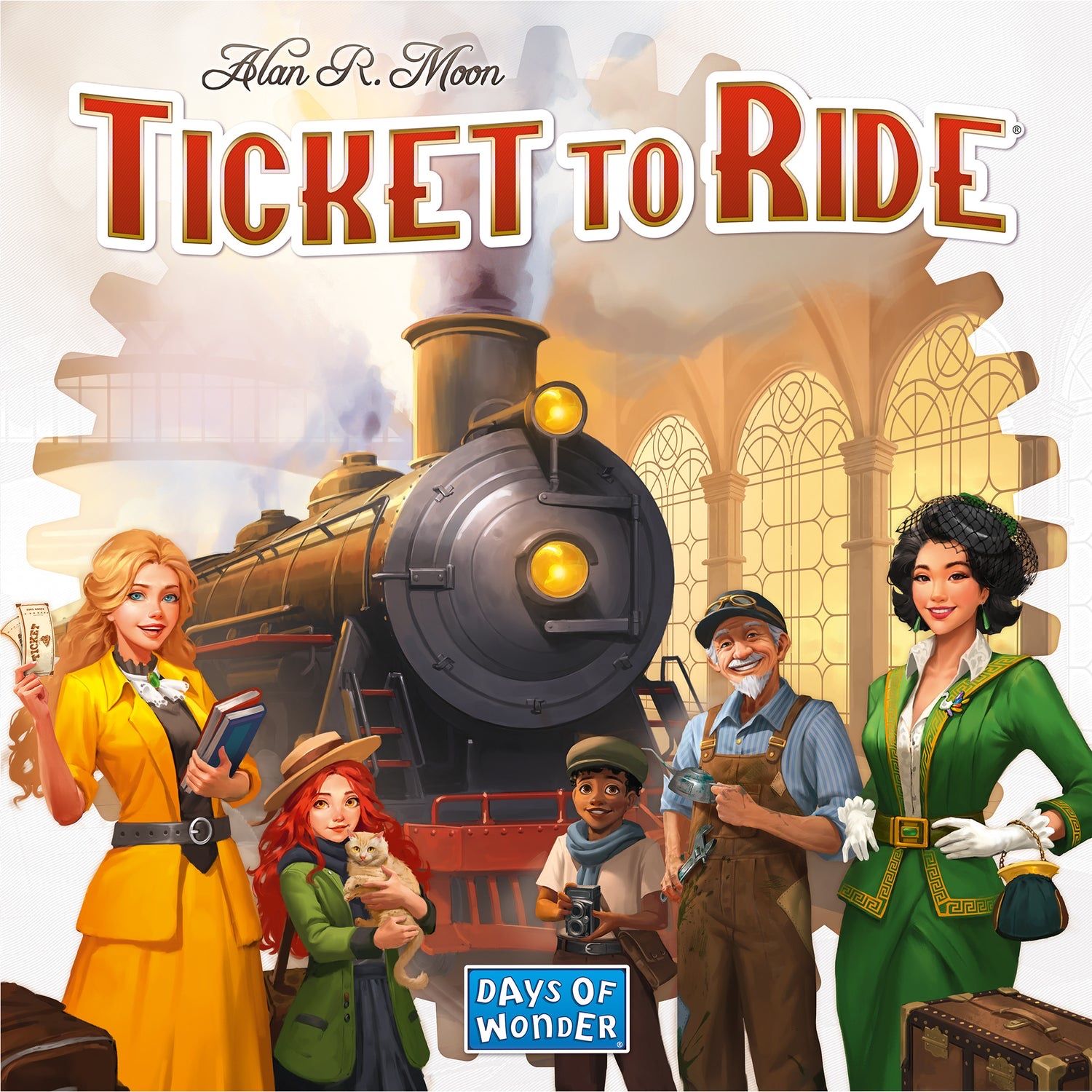
Ticket to Ride has sold over 13 million copies worldwide. There’s a reason it’s on the shelf of virtually every household that owns more than two board games: the rules fit on a single page, the first play runs to an hour, and the tension of someone claiming the route you needed keeps people coming back.
Ticket to Ride carries a BGG rating of 7.38 from over 133,000 players, sits at #263 all-time, and weighs in at 1.82/5 - squarely in gateway territory. You collect coloured cards, play sets to claim train routes, and try to complete destination tickets connecting city pairs before opponents block you.
If you’ve played it dozens of times and want something fresh - or if you loved what it does and want to push further - this list is for you.
Here are six games ordered from easiest to most complex, each preserving at least part of what makes TTR work.
What Makes Ticket to Ride Work?
Before jumping into alternatives, it’s worth identifying what TTR actually delivers:
- Route claiming under pressure - the map shrinks as routes get taken; that scarcity creates real tension
- Set collection simplicity - draw cards, match colours, play a set. Mechanically clean.
- Visible threat - you can see who’s building where, and plan (or panic) accordingly
- Light teach - 10-15 minutes to explain, no moving parts left out
- Flexible player count - plays 2 through 5 with roughly the same feel
The games below preserve at least two of these. None are copies. Each one riffs on the TTR formula in a way that makes it worth owning alongside it.
1. Cascadia
The accessible step sideways
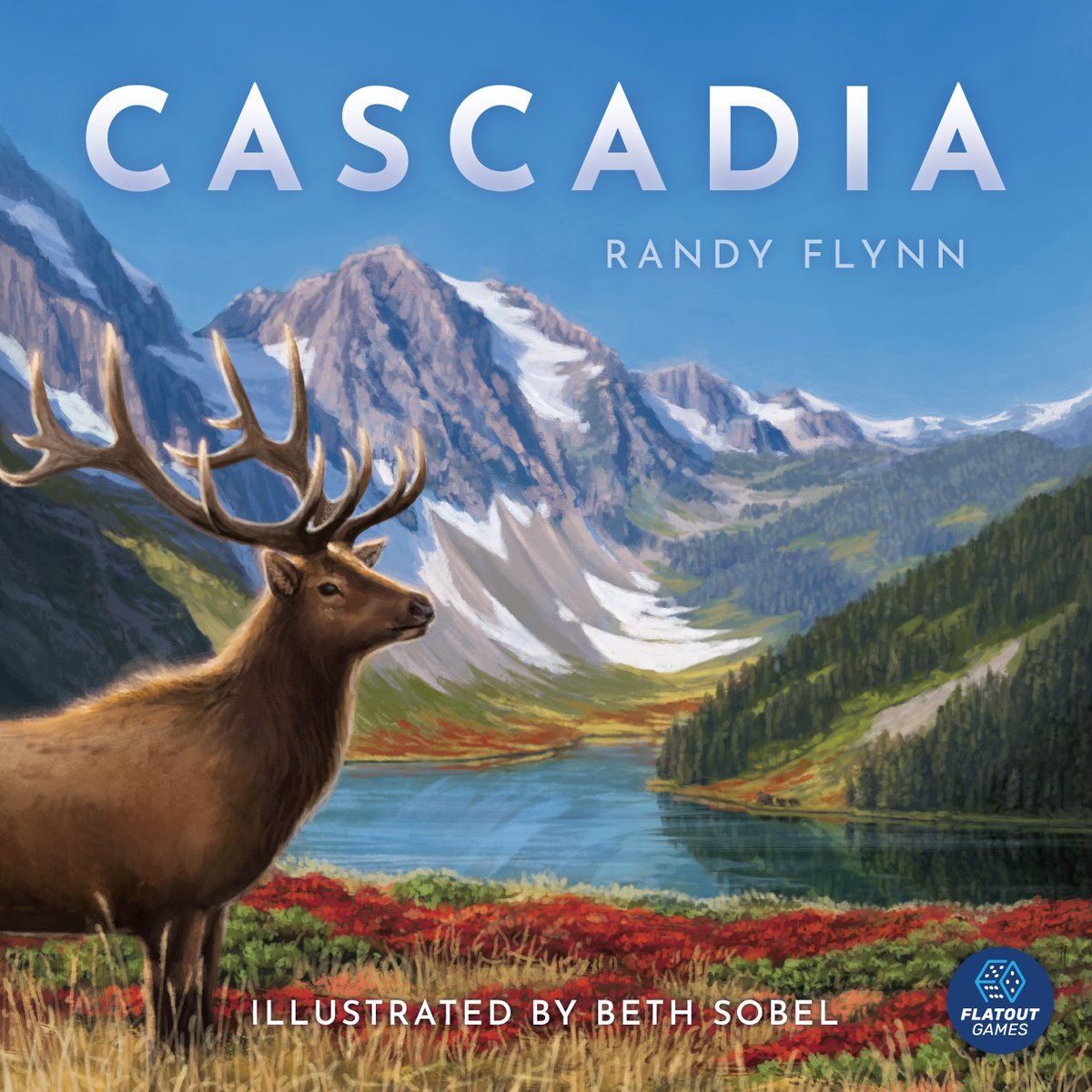
Box art via BoardGameGeek. Cascadia published by Flatout Games / Alderac Entertainment Group.
BGG Rating: 7.88 | Rank: #60 | Weight: 1.84 | Players: 1-4 | Time: 30-45 min
BGG Page: boardgamegeek.com/boardgame/295947
Cascadia doesn’t involve trains, but it scratches the same gateway itch with more elegance. Each turn you draft a terrain hex and a wildlife token from a central market, building a personal Pacific Northwest ecosystem. Score by satisfying one of multiple scoring conditions per animal type - conditions that vary every game.
Where TTR hands you a fixed destination ticket and sends you to claim routes, Cascadia asks you to balance five simultaneous, often conflicting objectives. The wildlife scoring variation means “good placement” means something different every play - TTR veterans who’ve played routes to death will find this refreshing.
It’s also one of the rare gateway games rated higher than TTR on BGG (#60 vs #263) and plays solo, which TTR does not.
Why TTR fans love it: Same weight, same playtime, same “draft and place” rhythm. Considerably more replayable. If you want the cleanest lateral move from TTR’s territory, this is it.
Who it’s for: Anyone who loves TTR but wants something that doesn’t feel solved after 20 plays. Also excellent for solo play.
2. Pandemic
The cooperative alternative
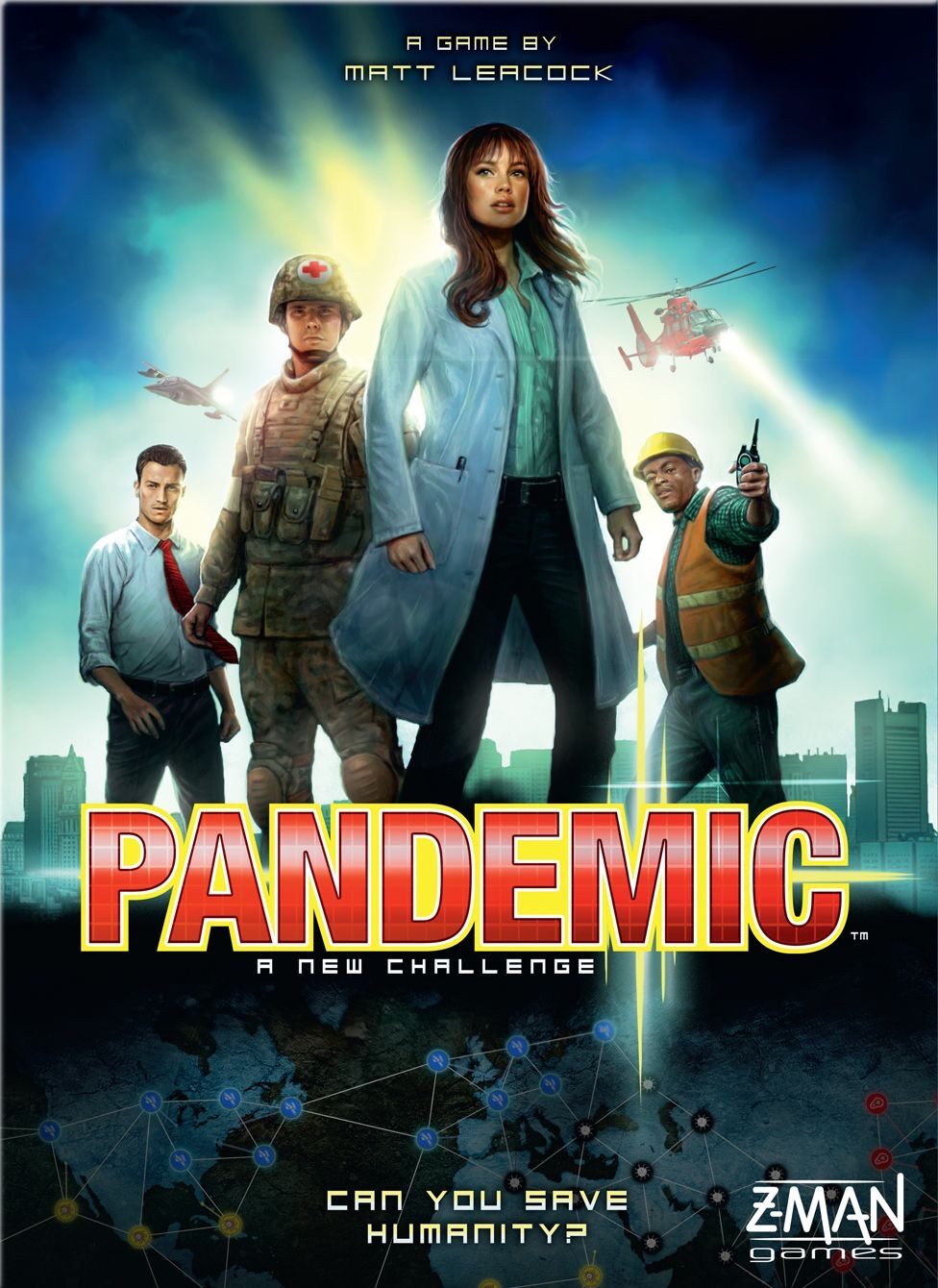
Box art via BoardGameGeek. Pandemic published by Z-Man Games.
BGG Rating: 7.51 | Rank: #174 | Weight: 2.39 | Players: 2-4 | Time: 45 min
BGG Page: boardgamegeek.com/boardgame/30549
Pandemic shares TTR’s world-map setting and hand-management mechanics but flips the competitive element entirely. You’re a team of specialists trying to cure four diseases before they overrun the globe. Cards are played to move between cities, share knowledge, or treat outbreaks - and you win or lose together.
The shift to cooperative play changes everything about table dynamics. There’s no blocking, no “you took my route” anguish - instead you’re reading the board together, arguing about which outbreak to prioritise, watching the infection rate tick up. The tension is different in kind but just as high as TTR’s final-round scramble.
At weight 2.39 it’s a clear step up from TTR’s 1.82, but the rulebook is still accessible in one sitting. The bigger cognitive demand comes from shared board-state reading, not complex rules.
Why TTR fans love it: Same card management loop, same global map aesthetic. Swapping competition for cooperation opens it up for groups where someone always hates losing.
Who it’s for: Groups who want to play against the game rather than each other. Families with less competitive dynamics. Anyone whose TTR nights end in tears over a blocked route.
3. Airlines Europe
The thematic sibling
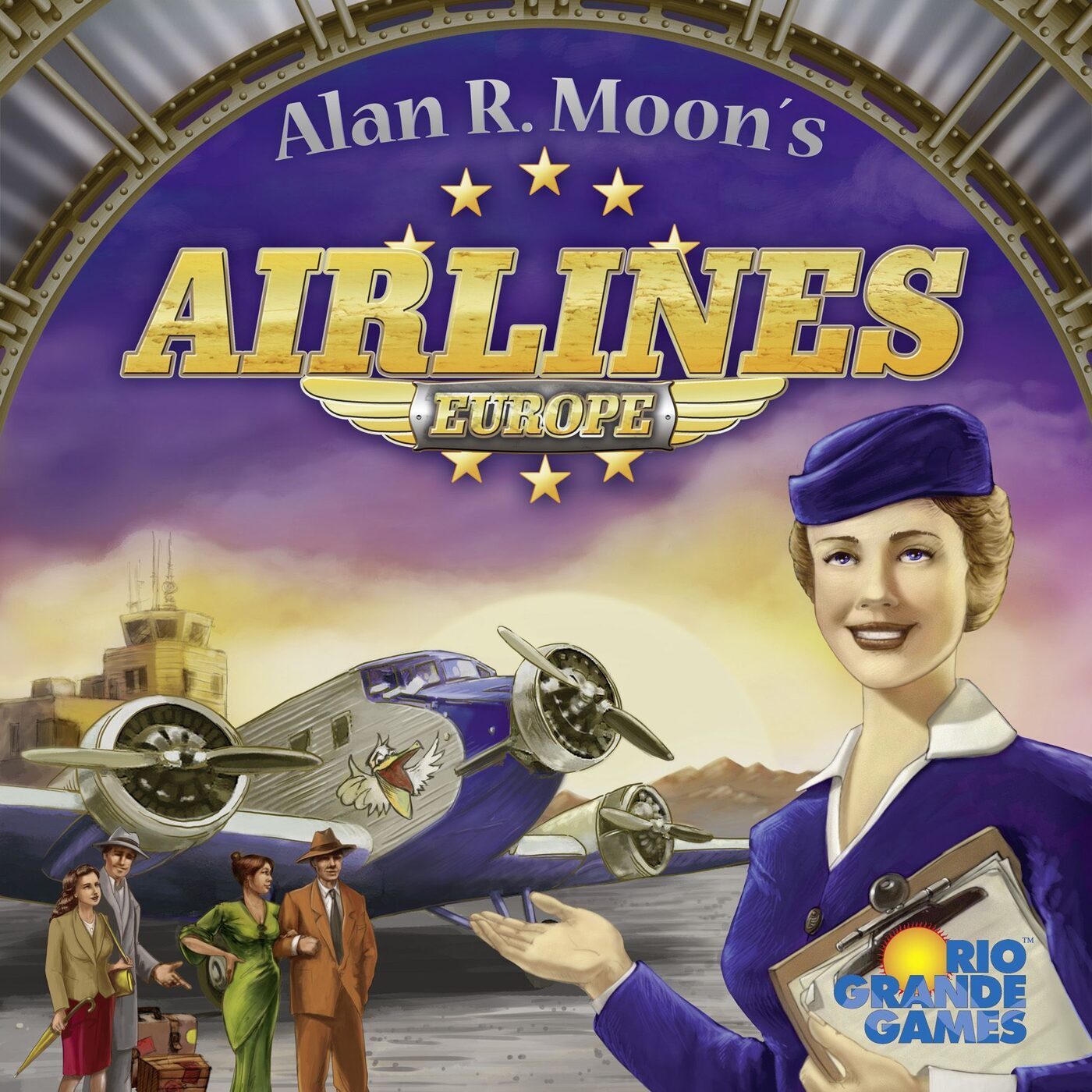
Box art via BoardGameGeek. Airlines Europe published by Abacusspiele / Rio Grande Games.
BGG Rating: 7.29 | Rank: #689 | Weight: 2.43 | Players: 2-5 | Time: 75 min
BGG Page: boardgamegeek.com/boardgame/90419
Airlines Europe is the clearest spiritual successor to TTR on this list. Alan Moon - the designer of Ticket to Ride - originally created Airlines in 1990, and this 2011 redesign brings it fully up to date. You’re building airline route networks across Europe while secretly accumulating share cards in those airlines. At three scoring rounds, whoever holds the most shares in the most developed airlines wins.
That share element adds a meaty second layer TTR doesn’t have. You’re not just claiming routes for points - you’re investing in networks and hoping other players keep developing them (or bluffing to misdirect opponents). The tension of “do I develop my own airline or buy shares in someone else’s?” runs through every turn.
Playtime stretches to 75 minutes, and at weight 2.43 it’s noticeably heavier than TTR. But anyone who enjoys TTR’s map-based route tension will immediately understand what Airlines Europe is doing.
Why TTR fans love it: Designed by the same person, same route-claiming map core. The share mechanic rewards the kind of spatial and opponent-tracking awareness that strong TTR players already use.
Who it’s for: TTR fans who want more to think about but don’t want to leave the route-building theme. Groups that enjoy moderate economic decision-making alongside their geography.
4. Concordia
The elegant network builder
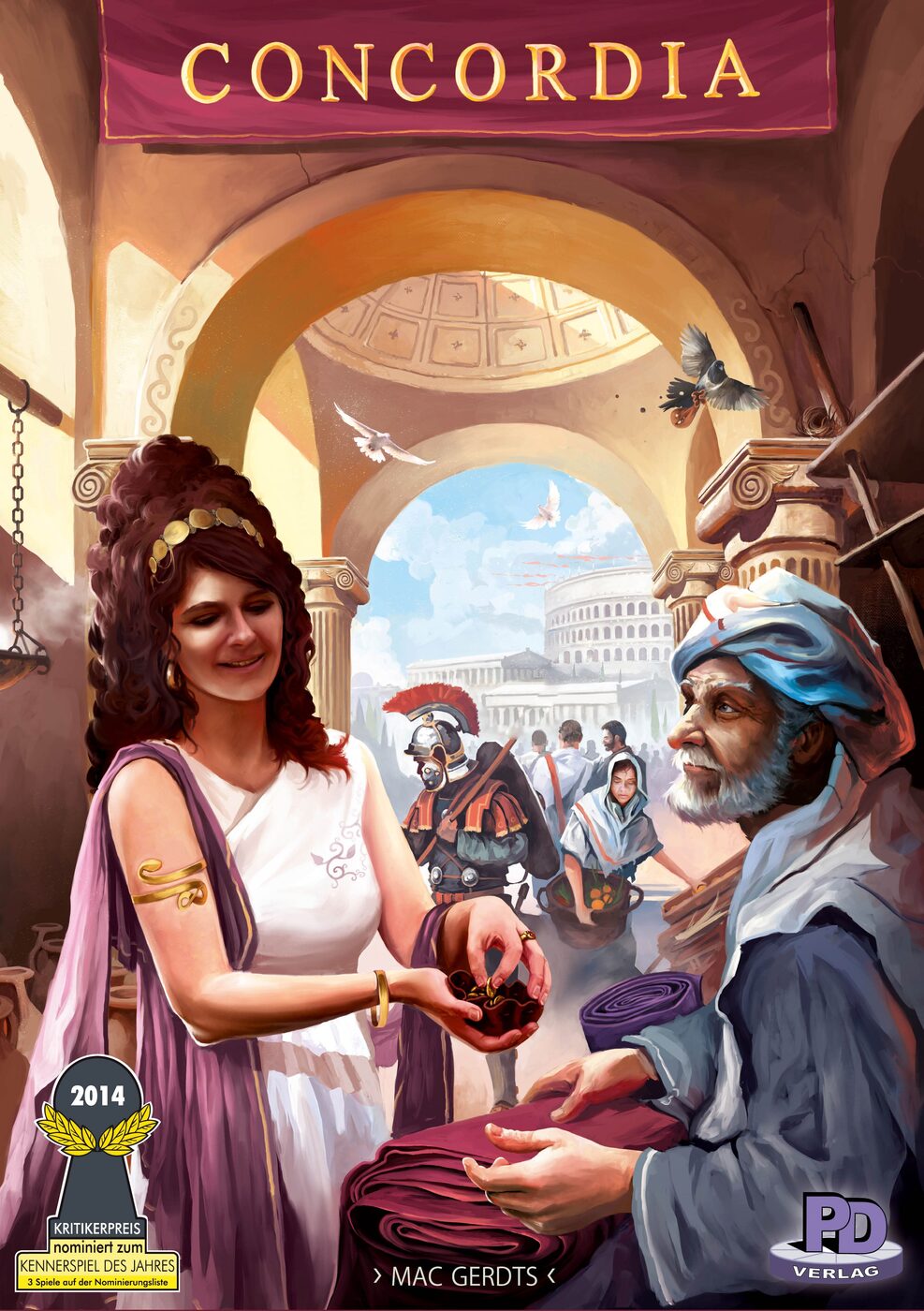
Box art via BoardGameGeek. Concordia published by PD-Verlag / Rio Grande Games.
BGG Rating: 8.07 | Rank: #29 | Weight: 2.99 | Players: 2-5 | Time: 100 min
BGG Page: boardgamegeek.com/boardgame/124361
Concordia takes the network-building heart of TTR and strips away everything incidental. You’re expanding a Roman trade empire across a map of the Mediterranean, moving colonists, building trading posts, and collecting resources. The mechanism at its core is a hand of action cards - you play one card per turn, perform its action, and eventually call back all played cards. No dice, no randomness beyond the initial setup.
That elegance is what earned it the #29 spot on BGG’s all-time list (rating 8.07 vs TTR’s 7.38). The decisions are cleaner and deeper than TTR, the map tension is real, and games don’t end with “I would have won if that route hadn’t been taken on turn two.”
At weight 2.99 it’s a real step up, but Concordia’s rules are simpler than they look on paper. A short explanation and one practice turn is usually enough.
Why TTR fans love it: Same “build a network, score for connections” DNA. Far less luck, far more player-driven tension. If you love TTR’s spatial planning but find the card luck frustrating, Concordia solves that.
Who it’s for: TTR players who want to level up. Groups that play 2-3 nights a week and want a game they’ll still be discovering new lines in after 50 plays.
5. Railways of the World
The actual train game
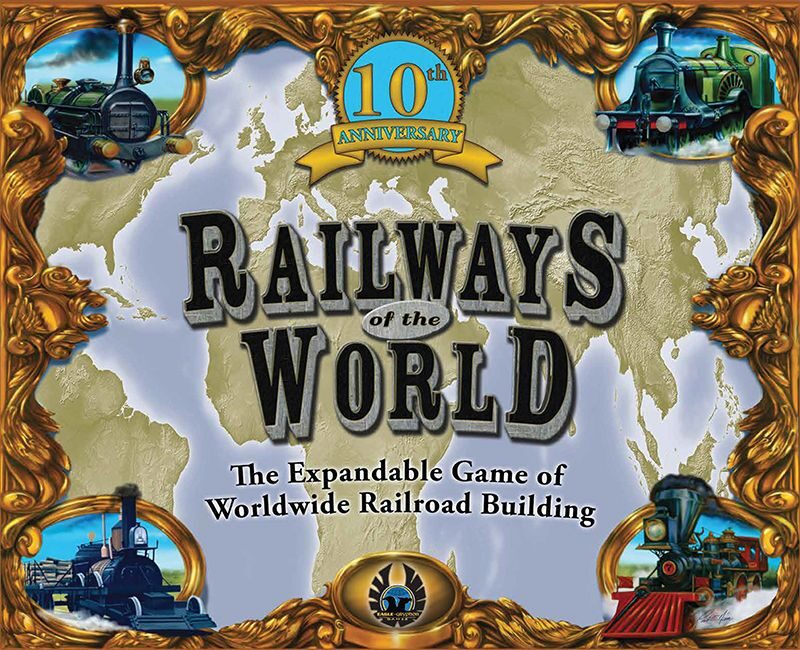
Box art via BoardGameGeek. Railways of the World published by Eagle-Gryphon Games.
BGG Rating: 7.66 | Rank: #244 | Weight: 3.02 | Players: 2-6 | Time: 120 min
BGG Page: boardgamegeek.com/boardgame/17133
If Ticket to Ride made you think “I want more train,” Railways of the World delivers. You’re building a genuine railway network - laying track, upgrading locomotive technology, delivering goods between cities, and managing bonds (debt) taken to fund expansion. The board fills up with real wooden track. Cities produce and consume goods. The economic layer is fully visible and genuinely meaningful.
This is the closest TTR gets to a “grown-up” edition of itself. The map, the route building, the satisfying network of lines spreading across the board - all familiar. The bond system and goods delivery loop add an economic layer TTR deliberately left out.
At weight 3.02 it plays a full 2 hours and rewards repeat plays significantly. Plays up to 6, which TTR manages poorly (you need the Big Map editions).
Why TTR fans love it: Same map-based route building, same satisfaction of watching your network grow. The economic layer rewards the players who already think several steps ahead in TTR.
Who it’s for: TTR veterans who want the full train simulation. Groups that play long games and want a destination ticker experience with real teeth.
6. Brass: Lancashire
The endgame for network-building fans
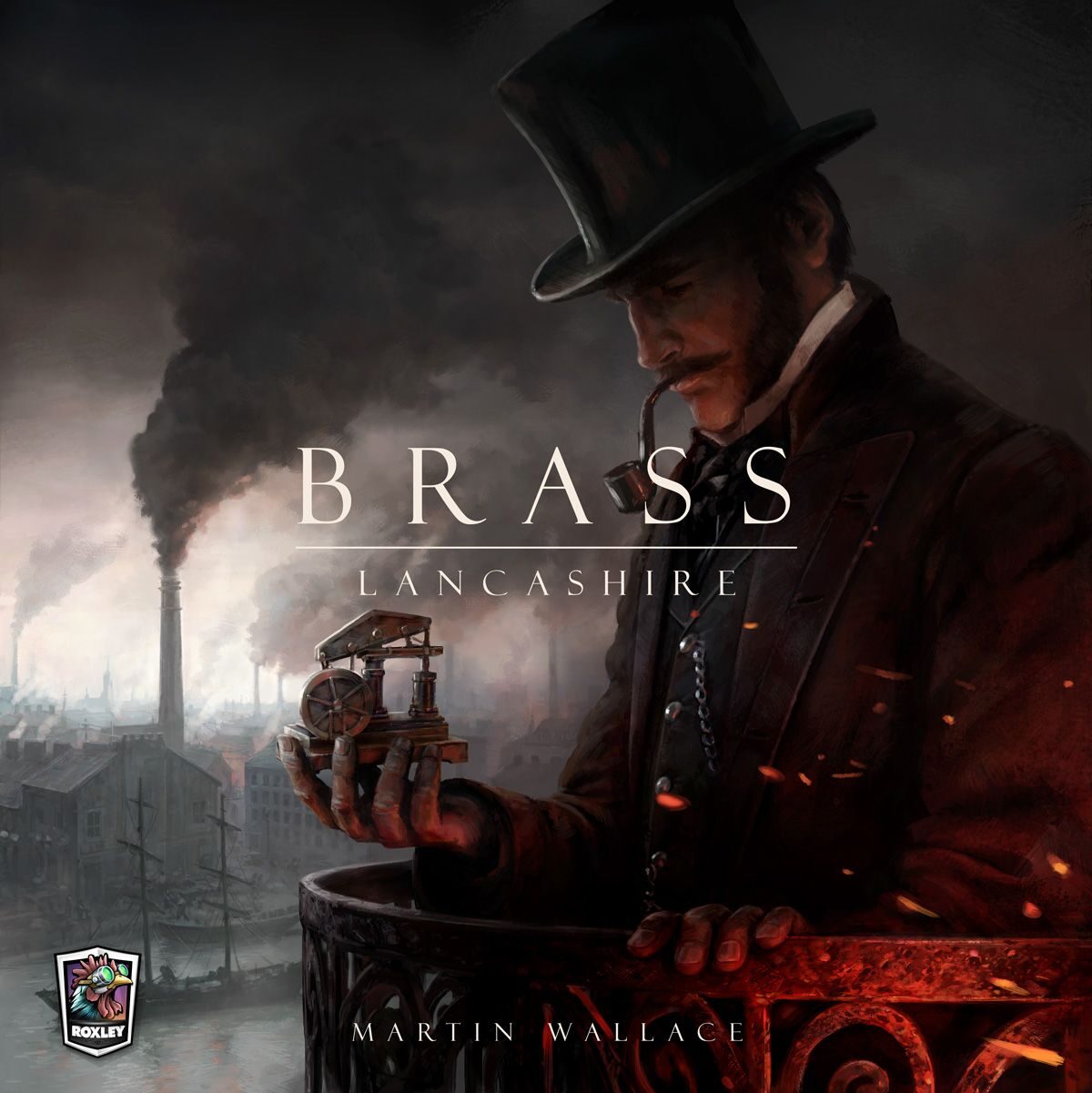
Box art via BoardGameGeek. Brass: Lancashire published by Roxley Games.
BGG Rating: 8.20 | Rank: #22 | Weight: 3.84 | Players: 2-4 | Time: 60-120 min
BGG Page: boardgamegeek.com/boardgame/28720
Brass: Lancashire sits at #22 on BGG’s all-time list with a rating of 8.20. It’s not a casual pick - but for players who started with TTR and want to see how deep the rabbit hole goes, this is the destination.
You’re building industrial infrastructure in 18th-century Lancashire: canals, then railways. Two distinct eras play out with different rules, and almost everything you built in Era 1 gets cleared before Era 2 begins. That wipe forces you to think in two timescales simultaneously - what do I build now that scores and sets me up for the railways phase?
The network matters here in a way TTR’s never quite captures. Every link you build must connect to your own network. Goods can only be sold via opponent-built connections if you can reach a merchant through your own lines. The interdependency between players’ networks creates a layered tension - you need others to complete routes, but you’re also racing them for coal and iron supplies.
At weight 3.84 and with a full rulebook, this isn’t a game you teach from cold. But TTR alumni who’ve grown into heavier euros will find this one of the most satisfying games ever made.
Why TTR fans love it: The route-claiming map, the network-building satisfaction, the “I need this connection before someone else takes it” tension - all of it is here, just with far more at stake.
Who it’s for: Experienced gamers who loved TTR years ago and have since worked their way through a dozen mid-weight games. The top of the complexity ladder for this style of play.
Quick Reference
| Game | Players | Time | BGG Weight | BGG Rank | Best For |
|---|---|---|---|---|---|
| Ticket to Ride | 2-5 | 30-60 min | 1.82 | #263 | The classic starting point |
| Cascadia | 1-4 | 30-45 min | 1.84 | #60 | Replayable gateway upgrade |
| Pandemic | 2-4 | 45 min | 2.39 | #174 | Cooperative groups |
| Airlines Europe | 2-5 | 75 min | 2.43 | #689 | Route-building + stocks |
| Concordia | 2-5 | 100 min | 2.99 | #29 | Strategic depth |
| Railways of the World | 2-6 | 120 min | 3.02 | #244 | Actual train economics |
| Brass: Lancashire | 2-4 | 60-120 min | 3.84 | #22 | Endgame for network fans |
Which One Should You Buy?
- “I want the same weight, more replayability” → Cascadia. Rated #60 on BGG. Plays solo. New objectives each game. Simply better than TTR on almost every dimension except brand recognition.
- “My group doesn’t like competing against each other” → Pandemic. Same card-management rhythm, cooperative win condition, no one gets blocked.
- “I want more TTR but heavier” → Airlines Europe. Same designer, same maps-and-routes core, stock market adds a new layer without losing the theme.
- “I’ve graduated from gateway games” → Concordia. Rated #29 all-time, elegant rules, zero luck. The most rewarding medium-weight game in this list.
- “I want actual trains with economic depth” → Railways of the World. Six players, 2 hours, full railway simulation. The train game TTR fans don’t know they want.
- “I want the best game that shares TTR’s DNA” → Brass: Lancashire. Rated #22 all-time. The journey from TTR to Brass is the classic board game progression arc for a reason.
All six are legitimate next steps. The one you pick depends less on quality (all are excellent) and more on how far you want to travel from the gateway.