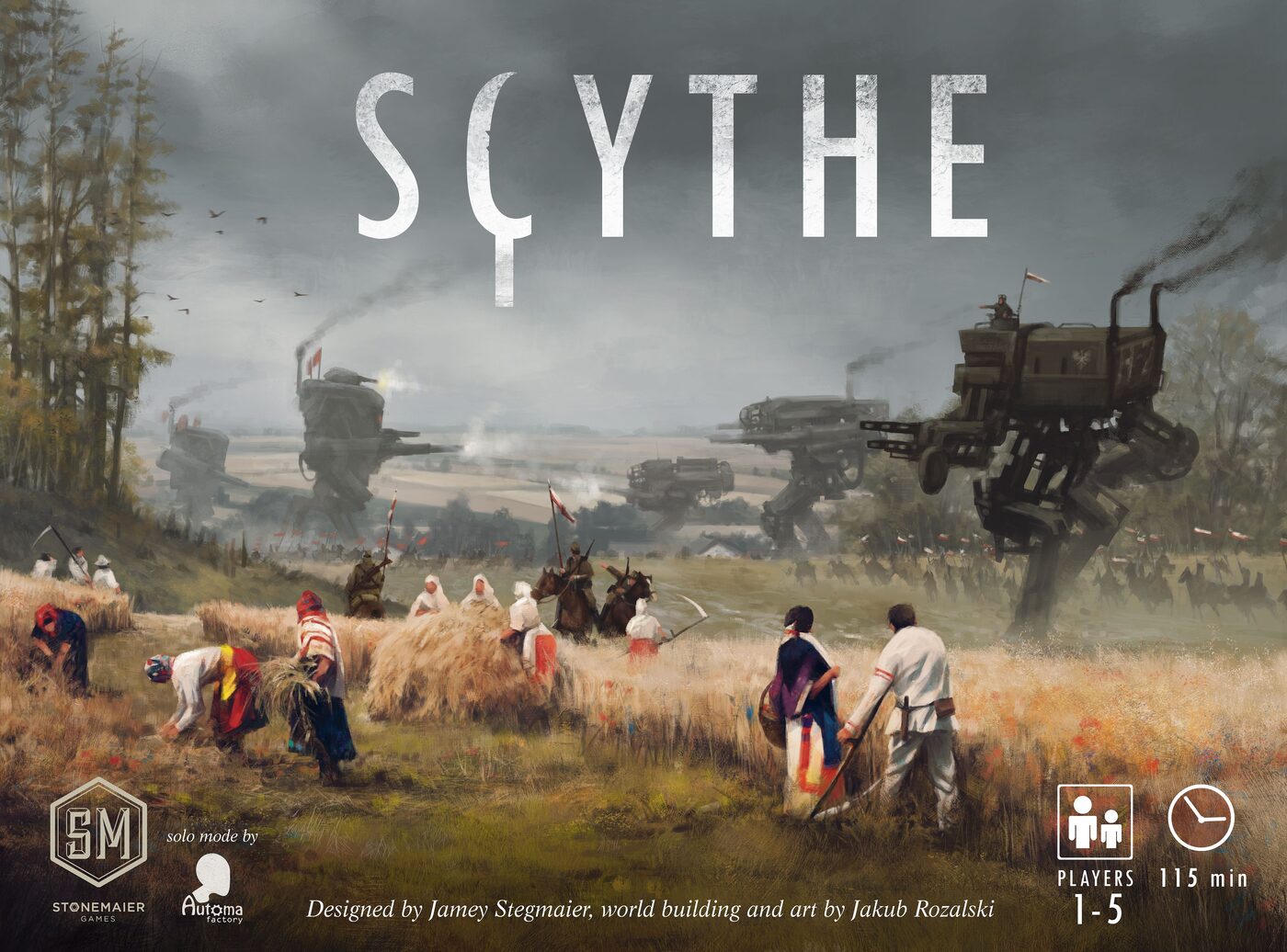
Scythe does something genuinely rare: it makes building feel as satisfying as conquering. You’re nudging mechs across a dieselpunk Eastern Europe, locking up resources and territory - but direct combat is almost incidental. The real game is your economic engine purring louder each round, your faction’s asymmetric power coming online, and the creeping dread when a rival starts snowballing faster than you can respond.
If that’s the experience you’re chasing, the good news is the genre is full of games that scratch similar itches. The bad news: none of them is exactly Scythe. The great news: some of them are better for specific groups of players.
Here are six games worth trying, organised by what you love most about Scythe.
If you love the same designer’s sensibilities
1. Viticulture: Essential Edition
BGG rank: #43 · Rating: 7.96 · Weight: 2.90 · Players: 1-6 · Time: 45-90 min
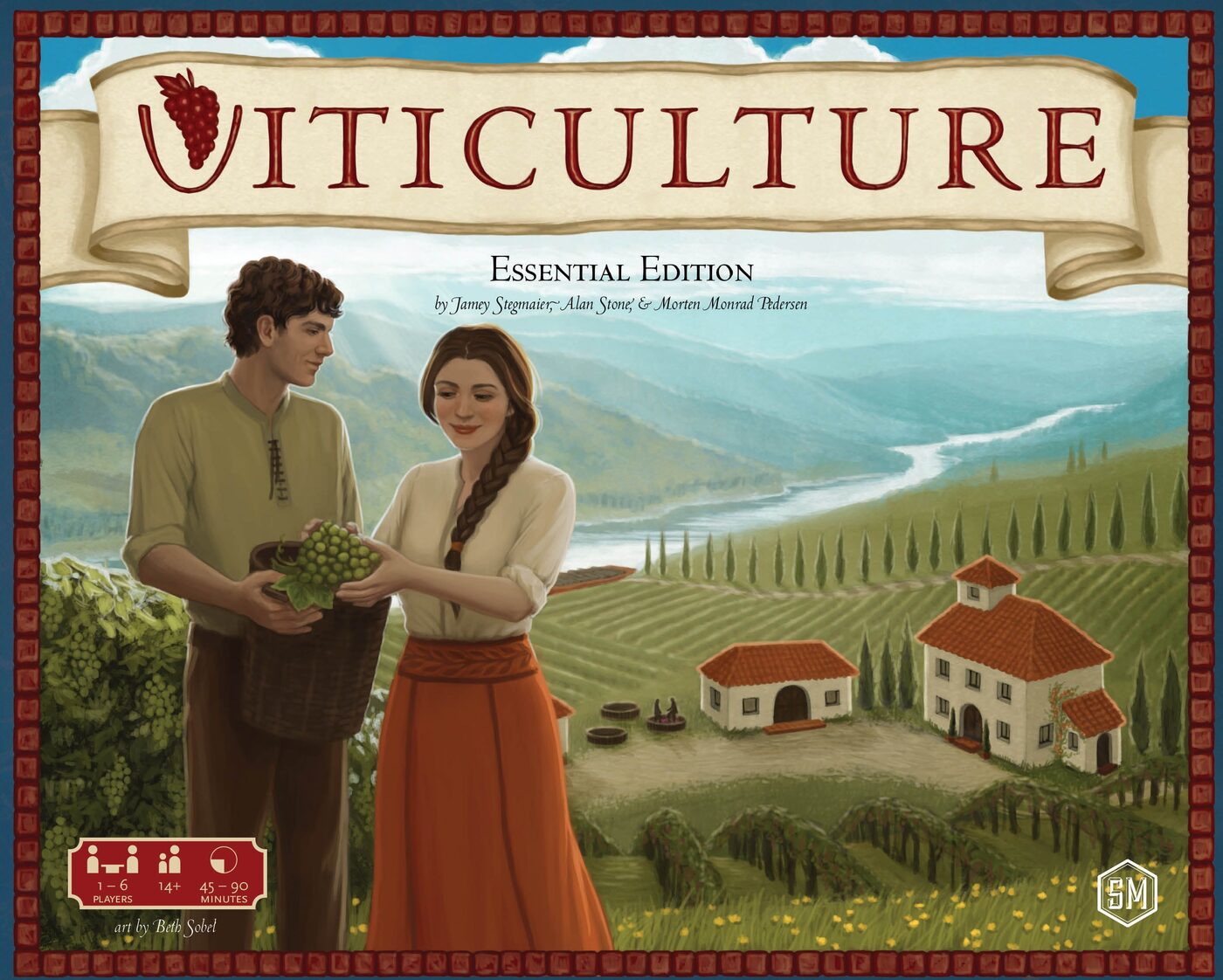 Image: Stonemaier Games
Jamey Stegmaier designed both games, and the fingerprints are unmistakable: Viticulture has the same rich production, the same “just one more round” pull, and the same emphasis on your personal engine over kingmaking chaos. You’re running a Tuscan winery - planting vines, harvesting grapes, ageing wine, filling orders - which sounds gentle until four other people are competing for the same worker slots and the crush pad is perpetually overcrowded.
What’s similar: Stonemaier polish, engine-building satisfaction, worker efficiency puzzles. What’s different: Far lighter conflict - almost none, actually. Much shorter to learn and play. A brilliant gateway into heavier euro territory. Best for: Scythe groups who found the combat anxiety-inducing. Non-gamers you want to graduate into strategic play.
2. Tapestry
BGG rank: #299 · Rating: 7.44 · Weight: 2.97 · Players: 1-5 · Time: 90-120 min
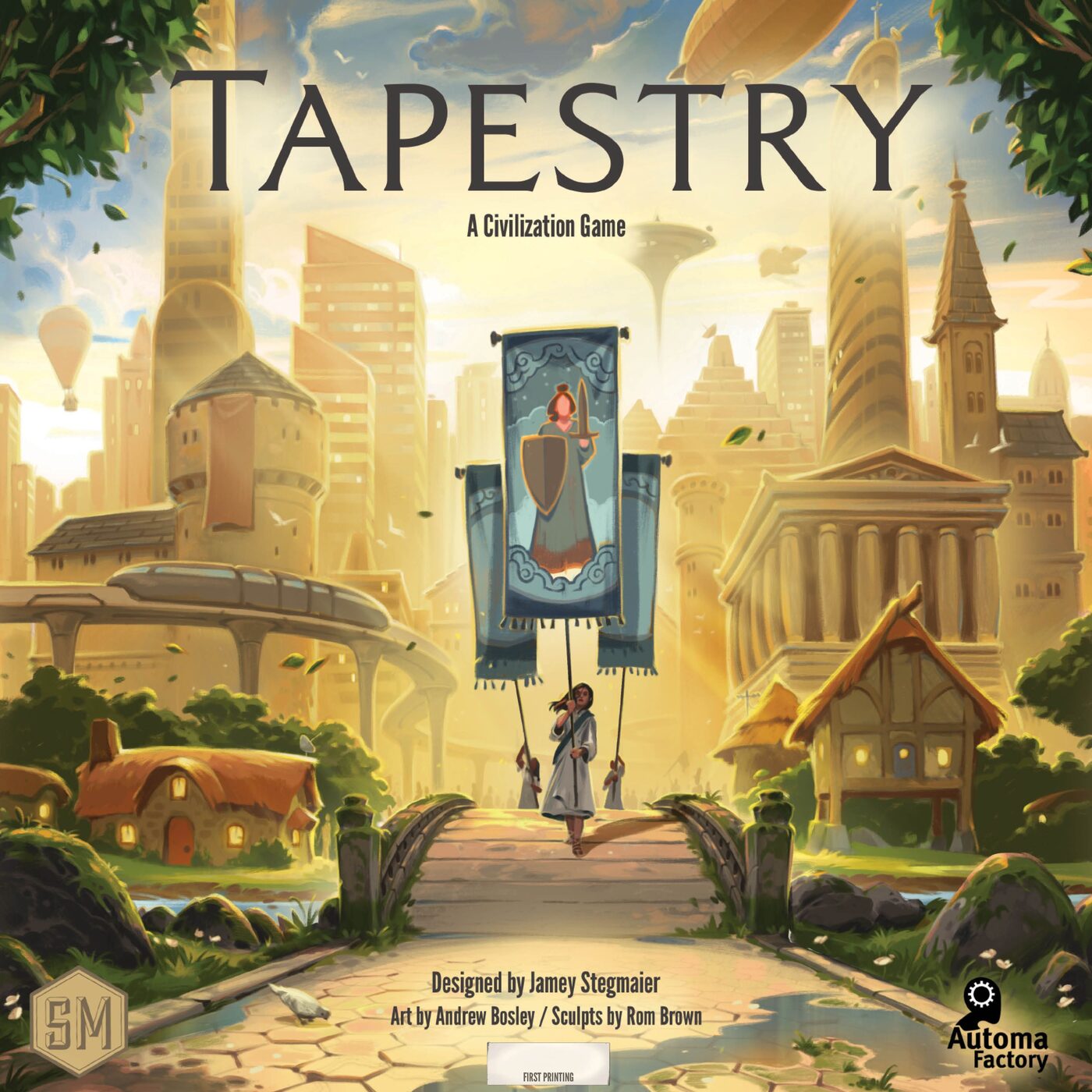 Image: Stonemaier Games
Another Stegmaier game, this time a civilisation builder where you advance along four tracks - science, technology, exploration, military - and collect tapestry cards that fire off bonuses and build your civ’s narrative. Like Scythe, the asymmetric civilisation powers mean every playthrough feels genuinely different.
Fair warning: Tapestry is divisive. Its randomness (particularly income tiles) frustrates players who want clean strategy. But for groups who loved Scythe’s “watch your civilisation emerge” feeling more than its economic puzzle, Tapestry delivers that in spades with a fraction of the rules overhead.
What’s similar: Asymmetric factions with wildly different power sets, civilisation flavour, same designer’s tactile production quality. What’s different: More random variance, lighter interaction between players, shorter rules explanation. Best for: Groups who love the theme and spectacle of Scythe but want something that sets up faster.
If you love the area control and factions
3. Blood Rage
BGG rank: #66 · Rating: 7.89 · Weight: 2.88 · Players: 2-4 · Time: 60-90 min
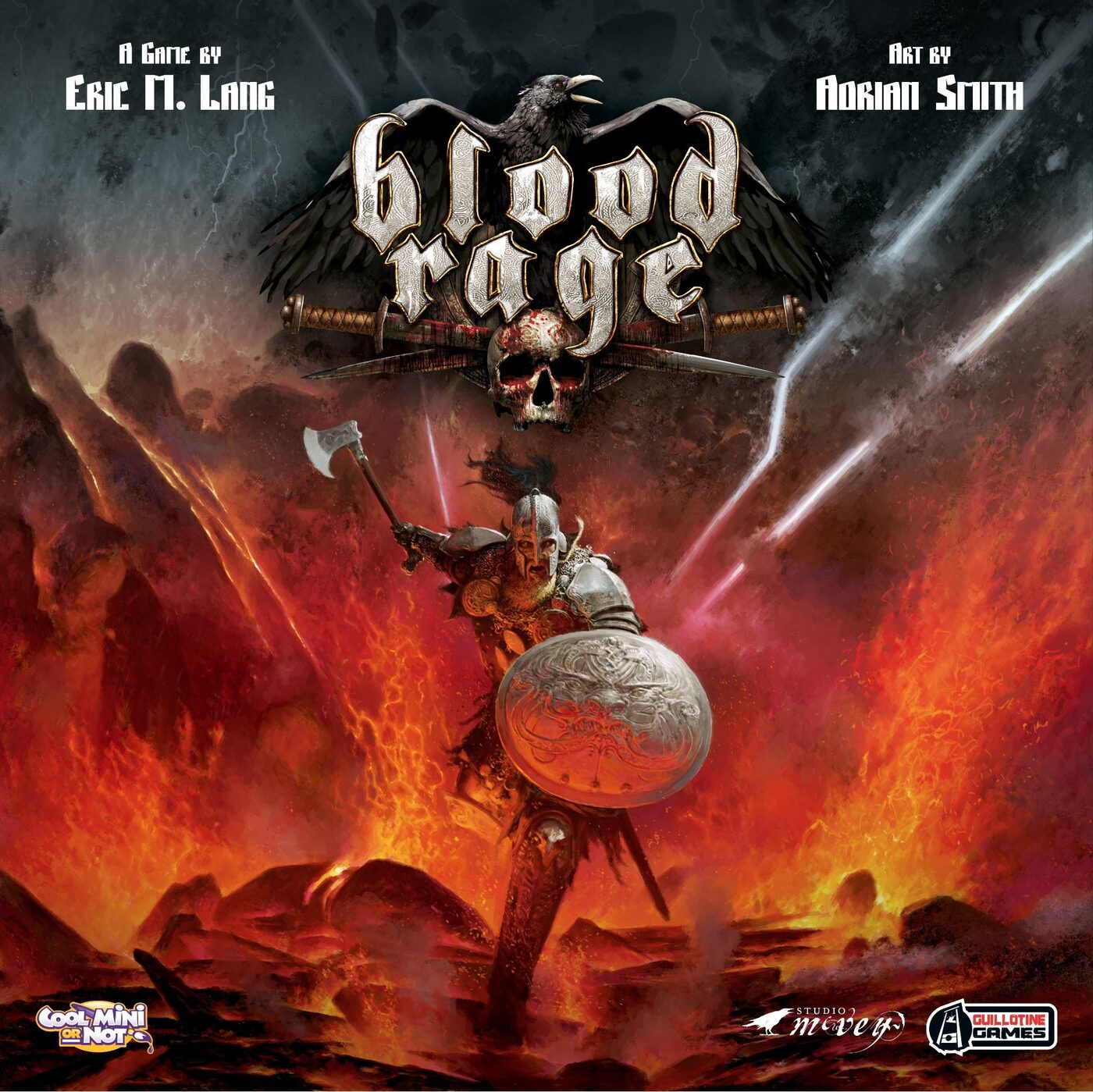 Image: CMON
Blood Rage turns the dial from Scythe’s subtle territory jockeying all the way up to Norse apocalypse. You’re a viking clan in the age of Ragnarok, drafting cards each round that define your clan’s agenda - some clans want to die gloriously, others raid for loot, others burn provinces before Yggdrasil collapses.
The drafting mechanic is what makes Blood Rage sing. Every card that goes to a rival is a card denied to you, and reading what your opponents are building mid-draft is half the game. Combat is fast and punchy - no dice, just pure strength comparison - which means downtime stays low even at 4 players.
What’s similar: Asymmetric factions, territorial tension, miniature-heavy production value. What’s different: Far more direct conflict. The game actively rewards aggression rather than passive engine growth. Lighter weight despite looking enormous. Best for: Scythe groups who felt the combat was too rare. Players coming from Chaos in the Old World or Chaos in the New World.
4. Rising Sun
BGG rank: #154 · Rating: 7.75 · Weight: 3.30 · Players: 3-5 · Time: 90-120 min
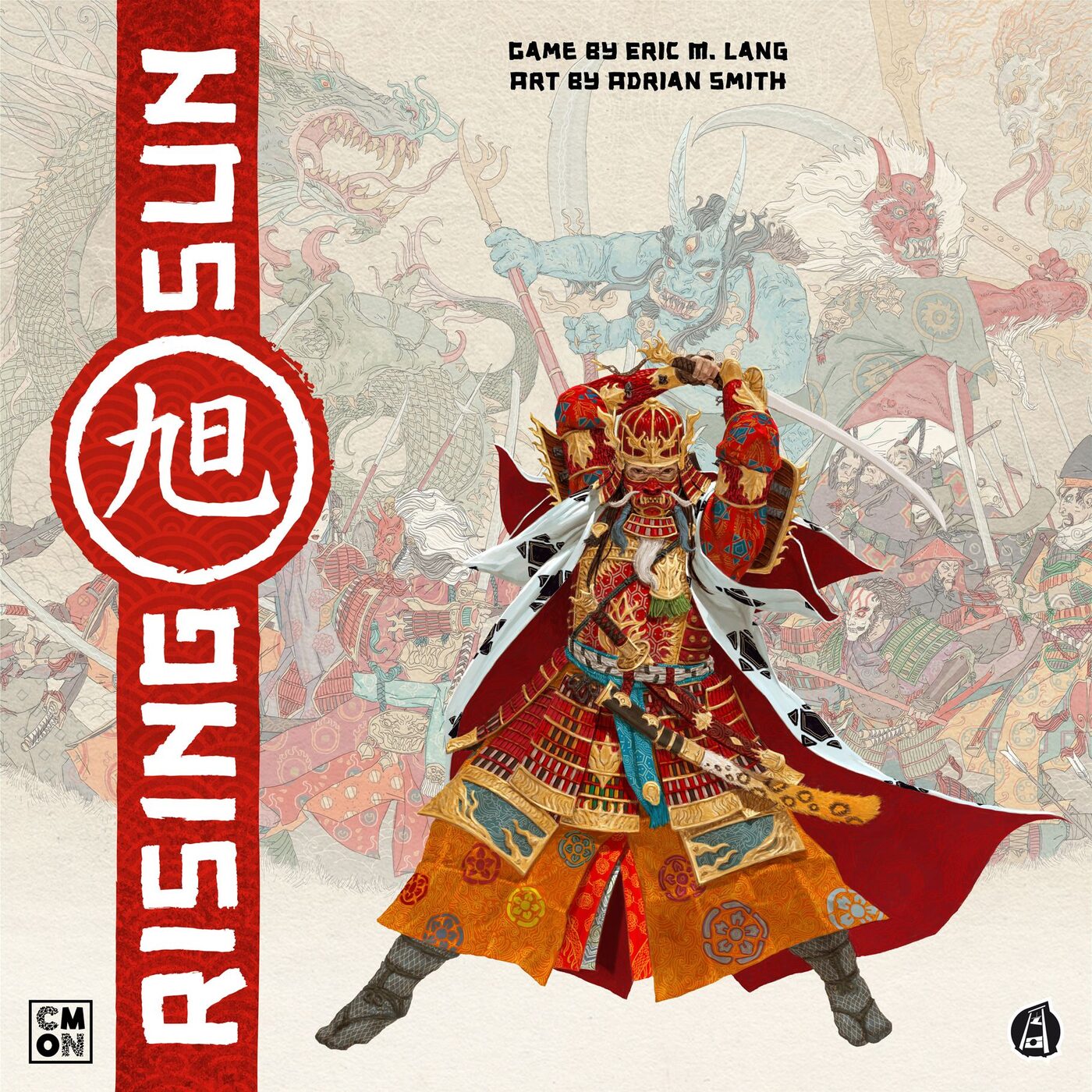 Image: CMON
Rising Sun shares Scythe’s beautiful miniatures, seasonal structure, and faction asymmetry - but adds a negotiation layer that completely changes the social dynamic. Each season opens with a tea ceremony where clans can form alliances, and those alliances provide mutual bonuses. The catch: they break at the end of the season, and your former ally is now a target.
This makes Rising Sun fascinating at the right table and chaotic at the wrong one. It demands players who engage with the political layer; if someone goes full isolationist it drags. But when everyone leans in, the shifting alliances create a story you’ll be telling for weeks.
What’s similar: Seasonal structure, asymmetric clans, area influence across beautiful map tiles. What’s different: Heavy negotiation and alliance mechanics. Requires 3-5 players (doesn’t work at 2). The game lives or dies on table culture. Best for: Groups who loved Scythe’s strategic tension but wanted more player interaction and drama.
If you love the economic depth
5. Kemet: Blood and Sand
BGG rank: #310 · Rating: 7.90 · Weight: 3.20 · Players: 2-5 · Time: 90-180 min
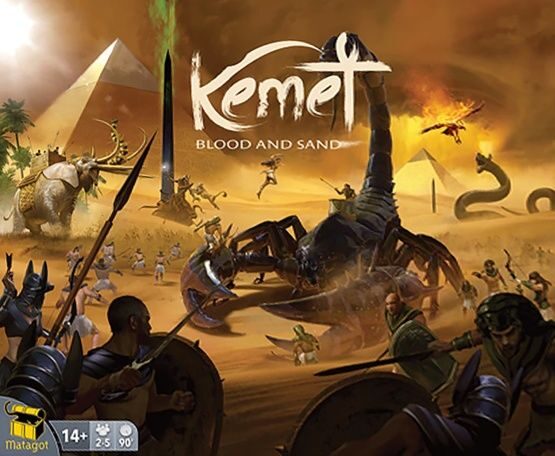 Image: Matagot
Kemet is what happens when you strip away almost all the economy and leave pure tactical area control combat. You’re an Egyptian faction backed by mythological creatures - sphinxes, scorpion warriors, giant beetles - moving up a tech tree that fundamentally changes how your army fights.
The 2021 second edition (Blood and Sand) refined an already sharp game into something genuinely excellent. Turns are snappy, the power pyramid creates meaningful build paths, and battles resolve in seconds. Where Scythe rewards patience and engine construction, Kemet rewards aggressive tempo. If you’re the player who kept pushing mechs into Scythe battles, this is your game.
What’s similar: Asymmetric powers, faction specialisation, area control across a board that rewards positioning. What’s different: Almost no economic layer. Combat is constant and central, not optional. Faster turns, higher interaction. Best for: Scythe fans frustrated by how rarely combat actually happens. Groups who want conflict resolution without four-hour commitments.
If you want to go deeper
6. Great Western Trail
BGG rank: #21 · Rating: 8.15 · Weight: 3.70 · Players: 2-4 · Time: 75-150 min
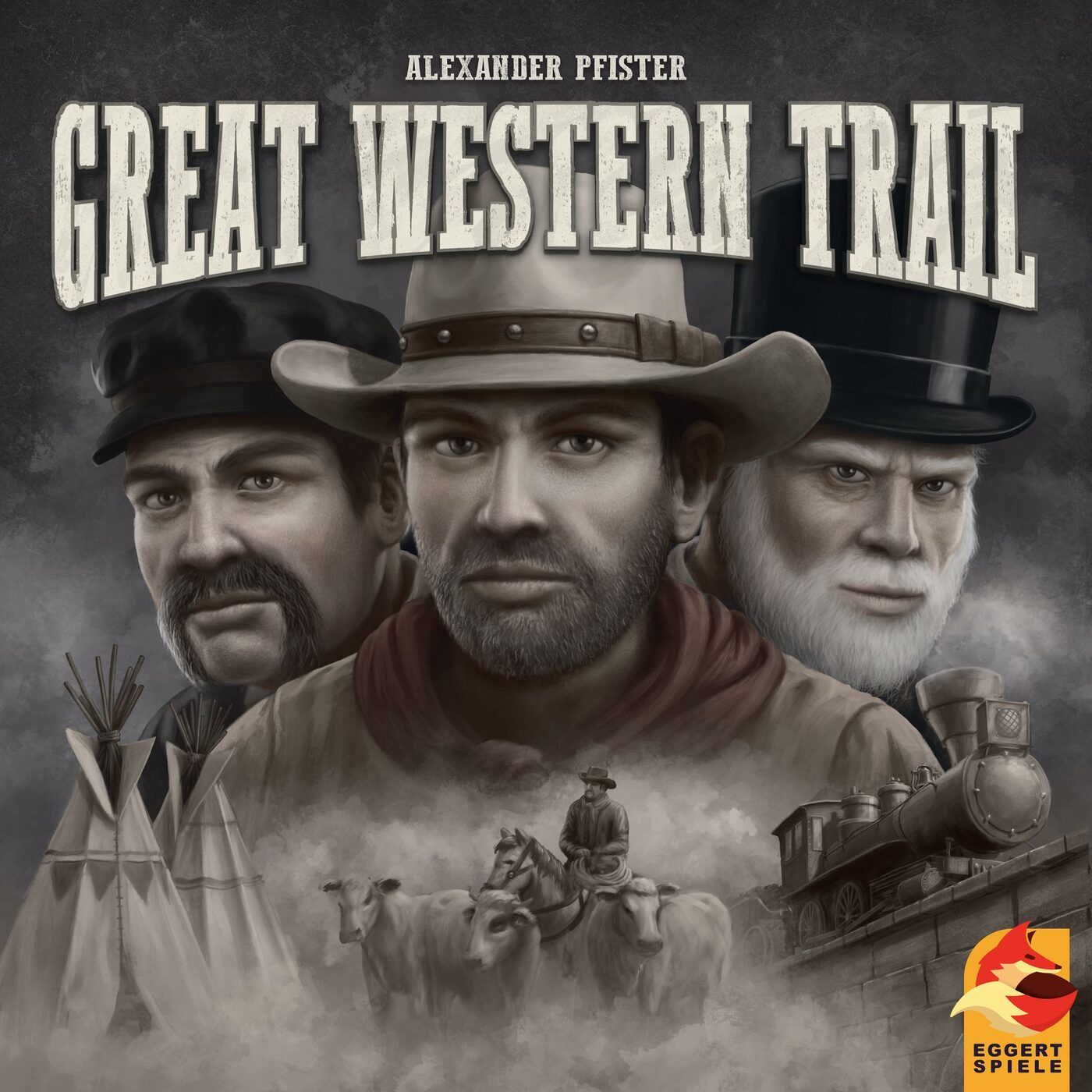 Image: Eggertspiele
Great Western Trail is the game for Scythe fans who loved the engine-building but wished the whole experience was tighter, more interconnected, and - yes - harder. You’re a cattle rancher driving herds from Texas to Kansas City, hiring workers, building stations, and optimising a hand of cattle cards that serves as both your resource base and your scoring mechanism.
At BGG #21 (to Scythe’s #26), Great Western Trail is simply one of the best strategy games ever designed. The difference from Scythe: there’s no faction asymmetry, no miniatures, and no pretence of theme over mechanism. It’s a pure strategy puzzle that rewards players who think three turns ahead. The 2021 second edition fixed minor balance issues and is the version to get.
What’s similar: Economic engine-building, route optimisation, the feeling of watching your strategy crystallise across a long game. What’s different: Heavier (weight 3.70 vs Scythe’s 3.45), no faction powers, no area control. Pure euro efficiency puzzle. Best for: The Scythe player who wants to go deeper. The person at your table who’s already read the rulebook twice before game night.
Quick Comparison
| Game | BGG Rank | Weight | Players | Time | Key Draw |
|---|---|---|---|---|---|
| Scythe | #26 | 3.45 | 1-5 | 115 min | The blueprint |
| Viticulture EE | #43 | 2.90 | 1-6 | 45-90 min | Gentler gateway |
| Blood Rage | #66 | 2.88 | 2-4 | 60-90 min | Punchy combat |
| Great Western Trail | #21 | 3.70 | 2-4 | 75-150 min | Deeper engine |
| Rising Sun | #154 | 3.30 | 3-5 | 90-120 min | Political drama |
| Kemet: B&S | #310 | 3.20 | 2-5 | 90-180 min | Pure conflict |
| Tapestry | #299 | 2.97 | 1-5 | 90-120 min | Civ spectacle |
The Short Version
Want same designer, lighter experience? → Viticulture Essential Edition
Want same designer, faster civ feel? → Tapestry
Want more combat, faster plays? → Blood Rage
Want the political intrigue Scythe hints at? → Rising Sun
Want purer conflict, no economics? → Kemet: Blood and Sand
Want to go heavier and more complex? → Great Western Trail
None of these will give you Scythe exactly - the combination of Jakub Różalski’s art direction, Stonemaier’s production values, and that specific tension between economic passivity and territorial aggression is genuinely one-of-a-kind. But each of these games captures a different part of what makes Scythe work, and a few of them do that specific part even better.
All BGG data current as of July 2026. Ratings and rankings shift over time - check BoardGameGeek for live stats.