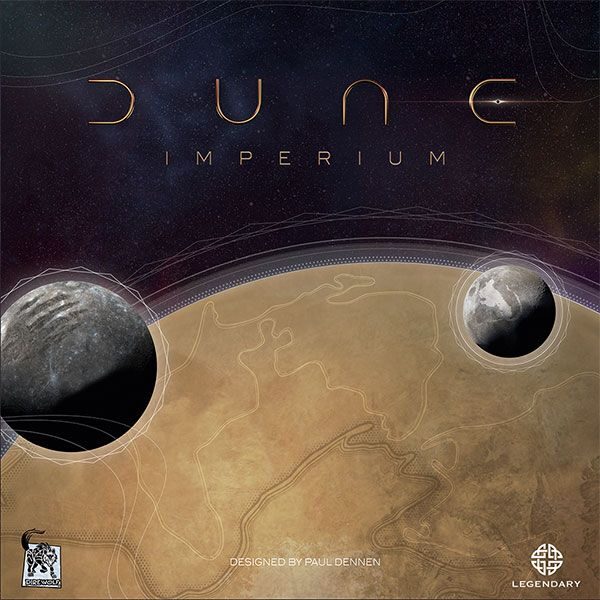
Dune: Imperium sits at BGG #6 overall for a reason. Paul Dennen’s design does something genuinely clever: it layers deck building on top of worker placement so that every card you play serves double duty - it both powers your workers and shapes the deck you’ll draw from next turn. Add in the conflict track, the Intrigue card blind-drops, and faction leaders that completely change your gameplan, and you have a medium-heavy game that rewards every session of practice without ever feeling like homework.
So you’ve played it a dozen times. You’ve tried the Uprising expansion. You want that same feeling - the careful hand management, the hard worker-placement calls, the moment when an opponent snaps a spot you needed - in a new box. Here are seven games that scratch different parts of that Dune: Imperium itch, from near-identical twins to more distant cousins worth the trip.
1. Lost Ruins of Arnak
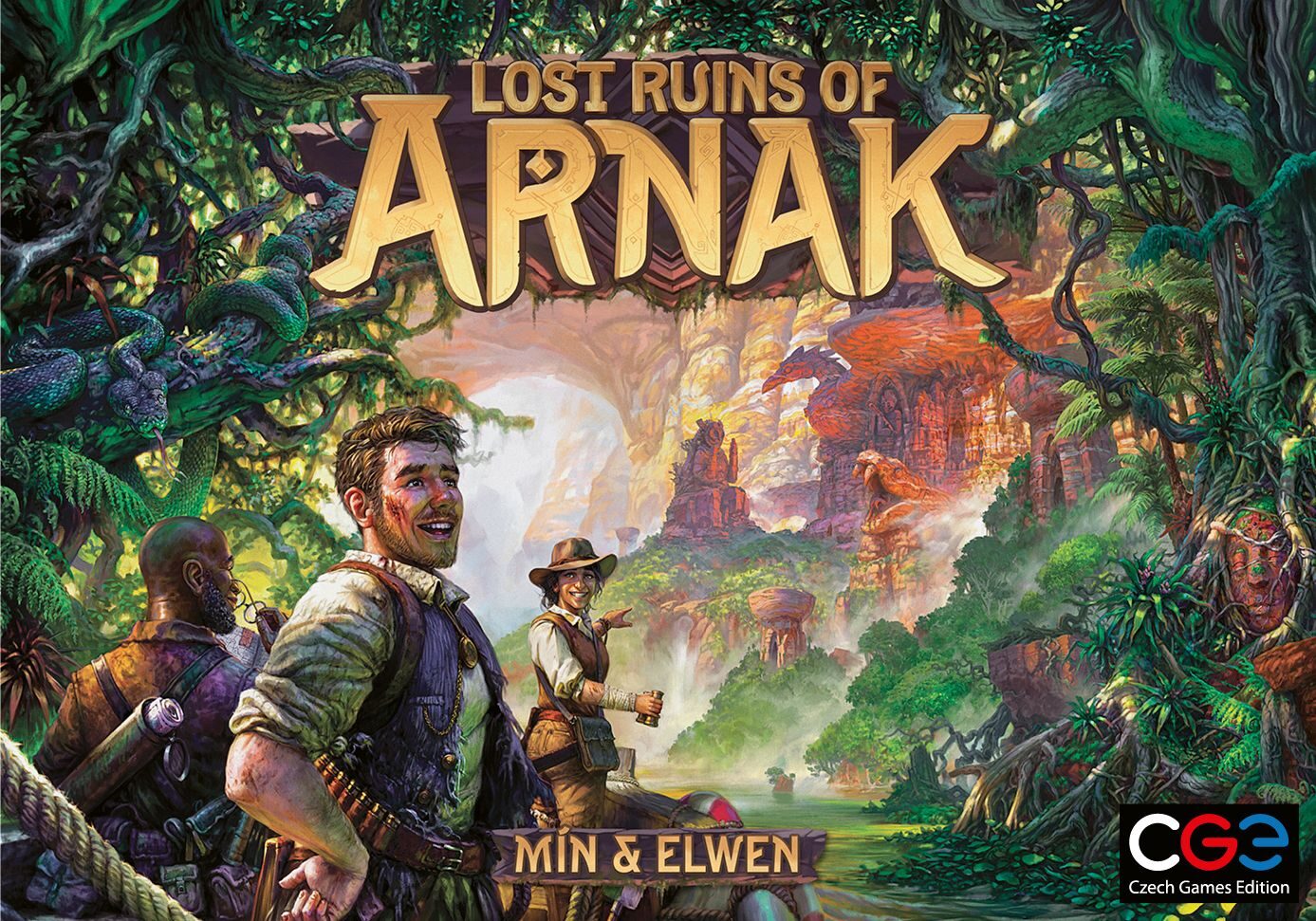
Lost Ruins of Arnak - Image © Czech Games Edition, via BoardGameGeek
BGG #30 · Weight 2.93 · Rating 8.1 · 1-4 players · 120 min
→ BoardGameGeek
If you only add one game to your shelf after Dune: Imperium, make it Arnak. The skeleton is almost identical - workers go to the board, cards in your hand determine where they can go and what resources you generate, and you’re building a deck throughout the game. Where Dune is about political scheming and faction warfare, Arnak wraps the same engine in a pulp-archaeology adventure: you’re exploring ruins, fighting guardians, and racing up a research track.
The key difference is tone. Arnak is competitive but not adversarial - you’re not fighting over the same conflict board, and there’s no equivalent of the Intrigue card that flips someone’s plan at the worst moment. That makes it a slightly easier sell for groups who love the mechanisms of Dune but find the direct conflict spiky. Lighter by a small margin (weight 2.93 vs 3.08), but anyone who handles Dune will land Arnak in one read-through.
2. Architects of the West Kingdom
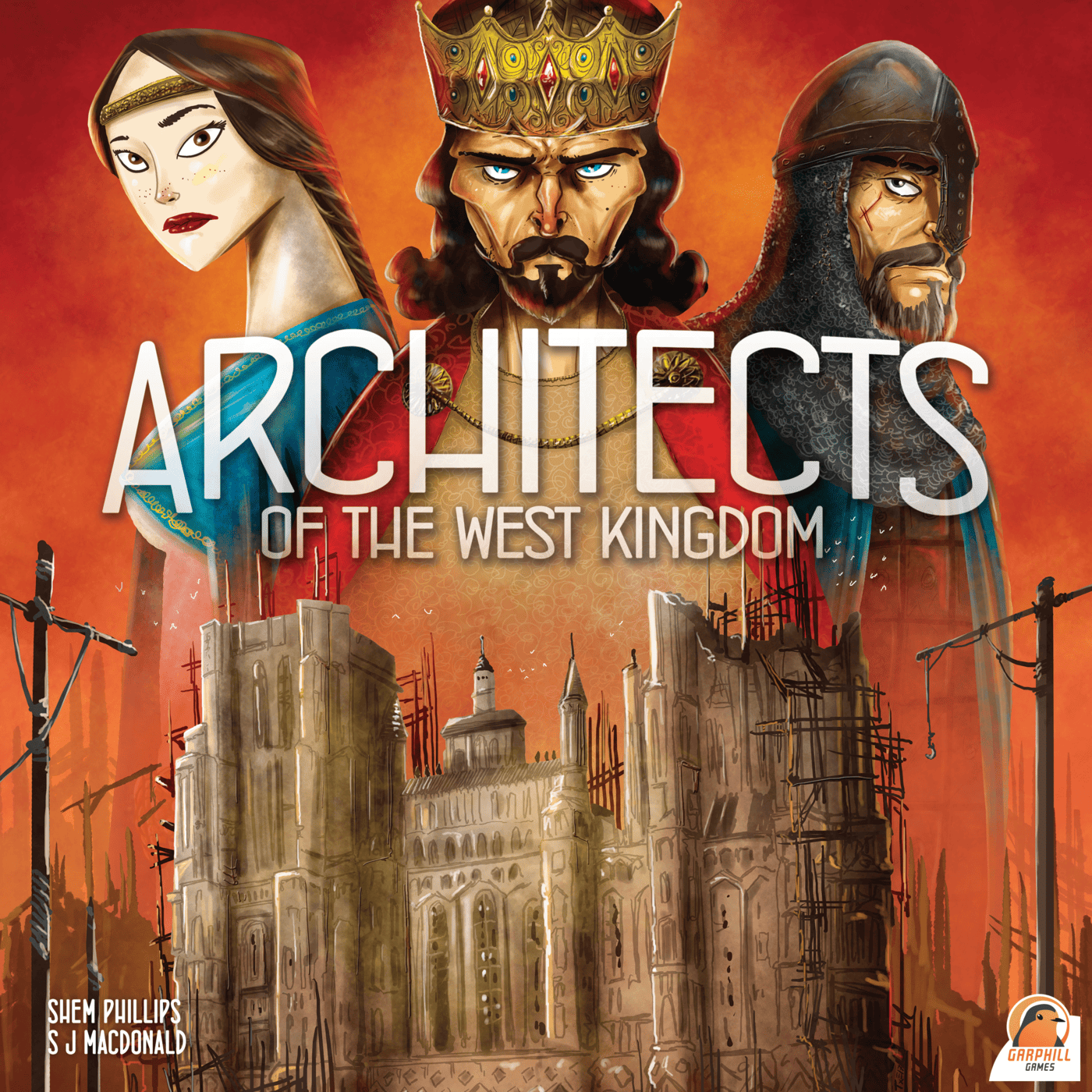
Architects of the West Kingdom - Image © Renegade Game Studios, via BoardGameGeek
BGG #132 · Weight 2.76 · Rating 7.7 · 1-5 players · 80 min
→ BoardGameGeek
Architects has one of the most inventive takes on worker placement in recent years. You’re not restricted to one worker per space - you can pile workers onto a location, but doing so means your opponents can capture them and send them to prison. Want them back? You have to pay a ransom. This single rule flips the usual WP calculus upside down: sometimes you deliberately flood a space to deny your opponent, then rescue your crew at the end of the round.
The result is a game with real confrontation and tough calls - much like the conflict track in Dune, but embedded directly in the worker placement itself rather than as a separate phase. It’s shorter (80 min), lighter by weight, and plays up to five which makes it useful for groups Dune can’t accommodate. A great option for the player who loves Dune’s “fight for spots” tension above everything else.
3. Raiders of the North Sea
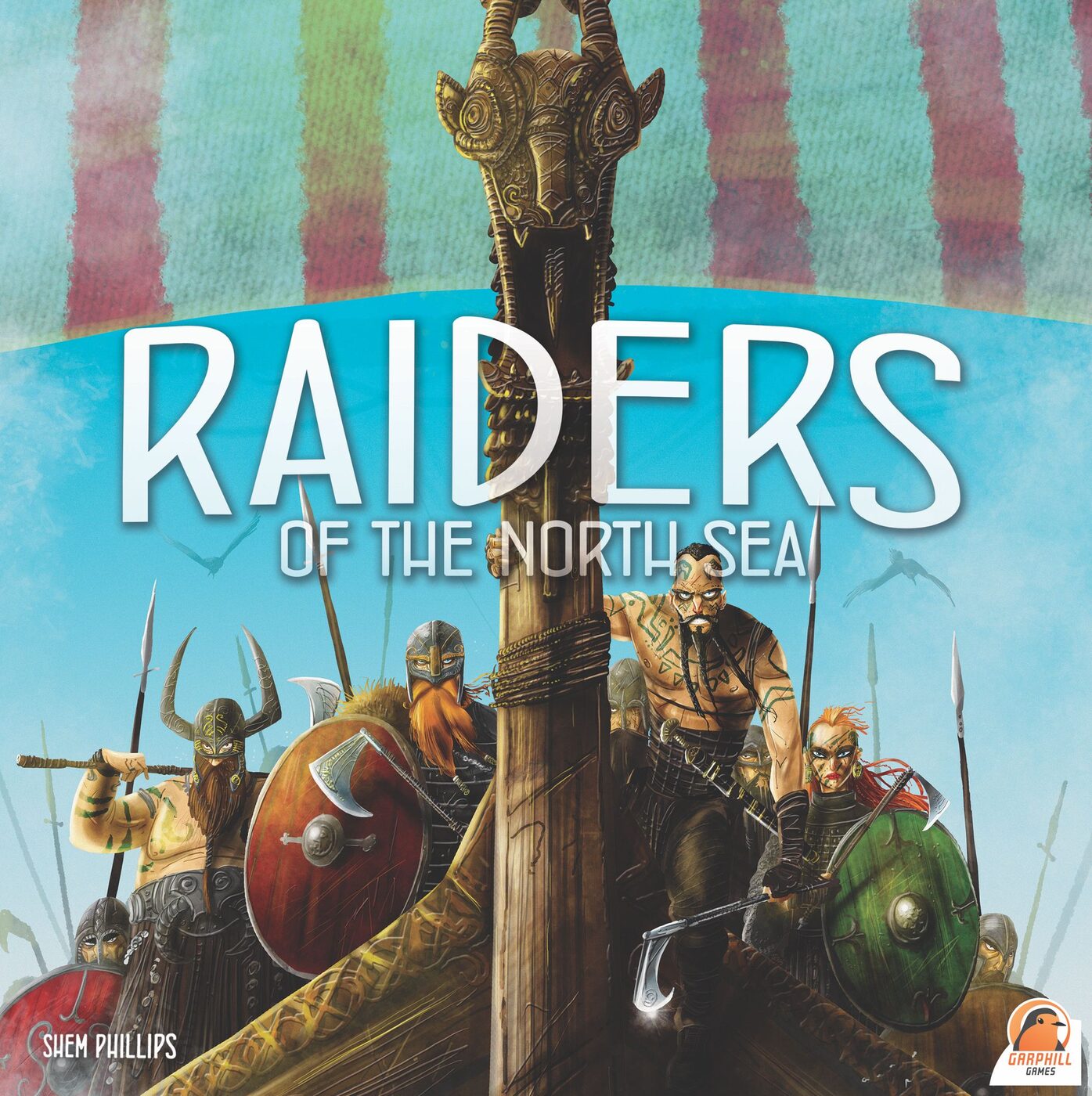
Raiders of the North Sea - Image © Renegade Game Studios, via BoardGameGeek
BGG #137 · Weight 2.57 · Rating 7.7 · 2-4 players · 80 min
→ BoardGameGeek
Shem Phillips’s Viking raider game runs on a clever two-phase turn: first you place a worker to take an action, then you pick up a different worker to take another action. Because you’re always picking up someone else’s placed worker, you’re never sure whether the meeple you left behind will still be there - or what colour worker you’ll have available to grab next turn.
That creates a chain of interlocking decisions very close to the resource tension in Dune: you’re always evaluating what you need this turn versus what you’re setting up for next turn. Shem Phillips games (the Architects games share this DNA) have a consistent feel - elegant rules, surprising depth, punchy play time. At weight 2.57 it’s the lightest recommendation on this list after Wingspan, making it a strong gateway for partners or friends who want Dune-adjacent complexity without the full rulebook commitment.
4. Everdell
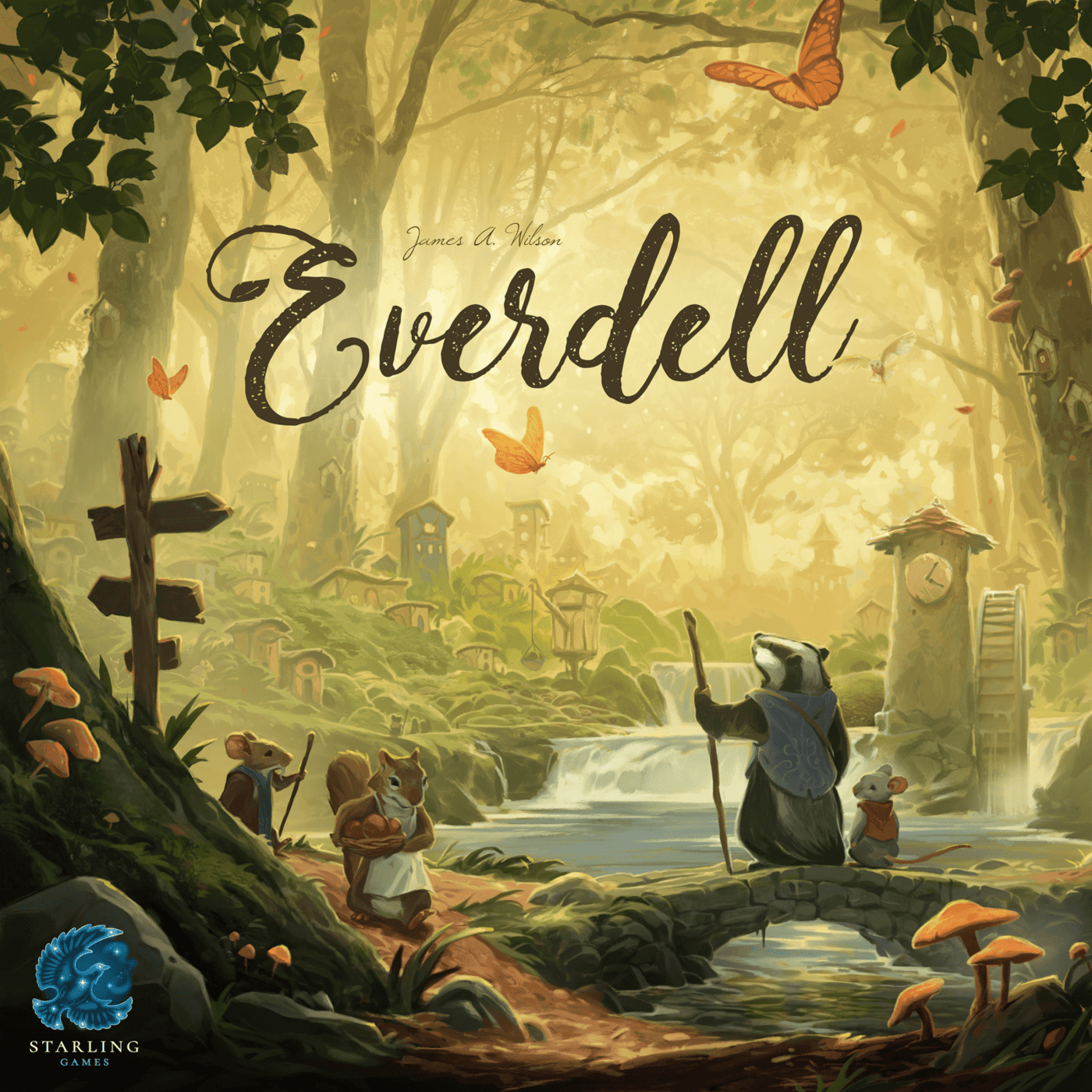
Everdell - Image © Starling Games, via BoardGameGeek
BGG #46 · Weight 2.83 · Rating 8.0 · 1-4 players · 80 min
→ BoardGameGeek
Everdell is the recommendation for when you want the engine-building satisfaction of Dune without the political knife-fight. Workers go to a central board, cards in your hand (played from a tableau) generate resources and special abilities, and over the course of three seasons you build an increasingly powerful village engine. The cards interact in pleasing combos, and a well-constructed tableau at the end of a session has the same feel as a well-tuned Dune deck - everything flowing together.
What it’s missing is conflict. Everdell is largely parallel solitaire - you and your opponents are building separate engines with limited interaction beyond racing to a few shared spaces. If that’s your jam, it’s among the prettiest and most satisfying games of its complexity. If you need the friction of competing for the same spots and fighting on the conflict board, look elsewhere on this list.
5. Wingspan
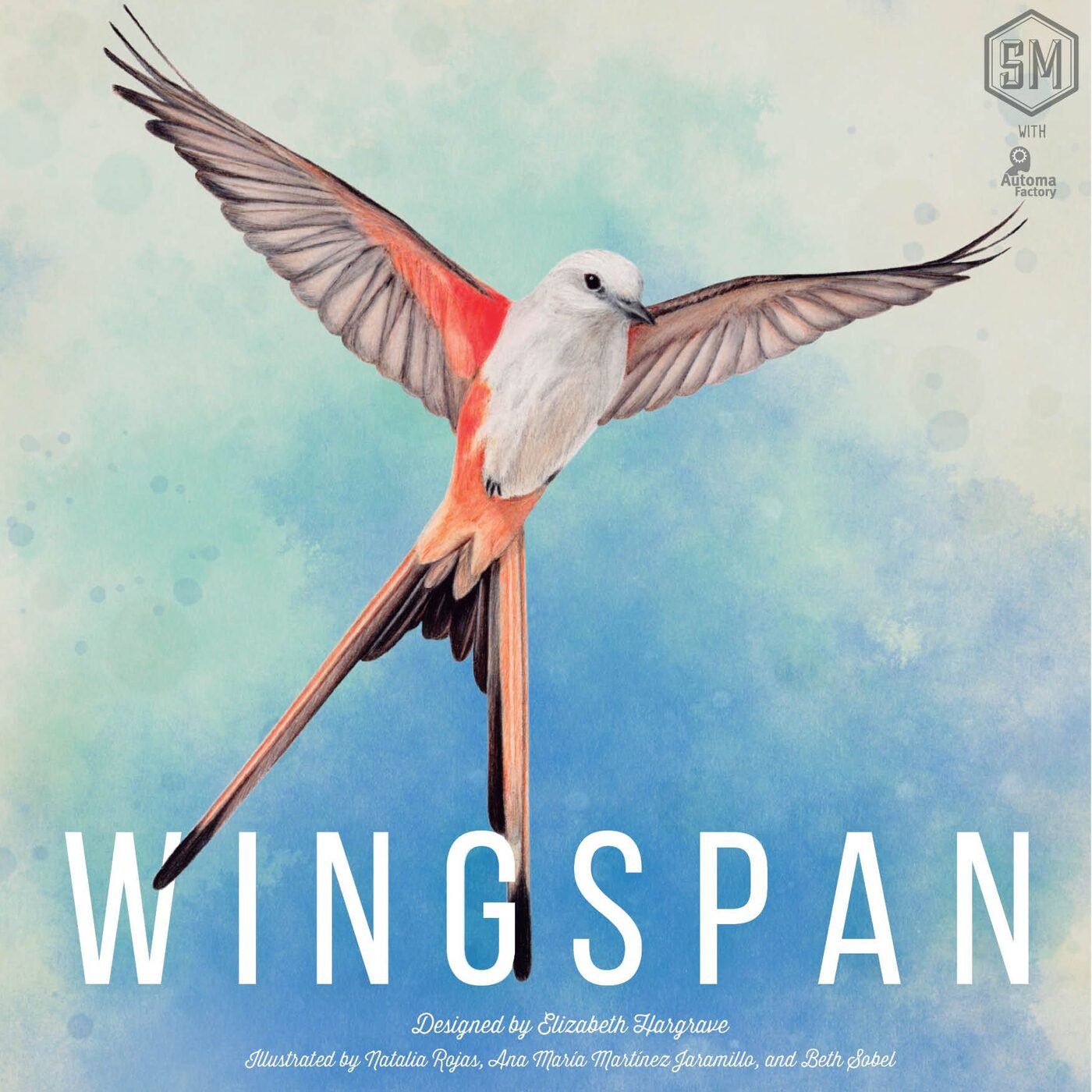
Wingspan - Image © Stonemaier Games, via BoardGameGeek
BGG #38 · Weight 2.48 · Rating 8.0 · 1-5 players · 70 min
→ BoardGameGeek
Wingspan is the recommendation you make when someone says they loved Dune: Imperium but their partner found it overwhelming. It’s the most accessible game on this list (weight 2.48, plays in 70 min) and it shares Dune’s core loop of playing cards from hand to activate powers and generate resources - just with birds instead of House Atreides.
The similarities are real but surface-level. Wingspan has far less confrontation, no deck building, and a gentler decision density. What it does have is incredibly smooth play, spectacular production, and a cross-appeal that makes it the go-to bridging game for mixed-experience tables. Think of it as the landing page you send someone to before they’re ready for Dune, not a direct replacement.
6. Underwater Cities
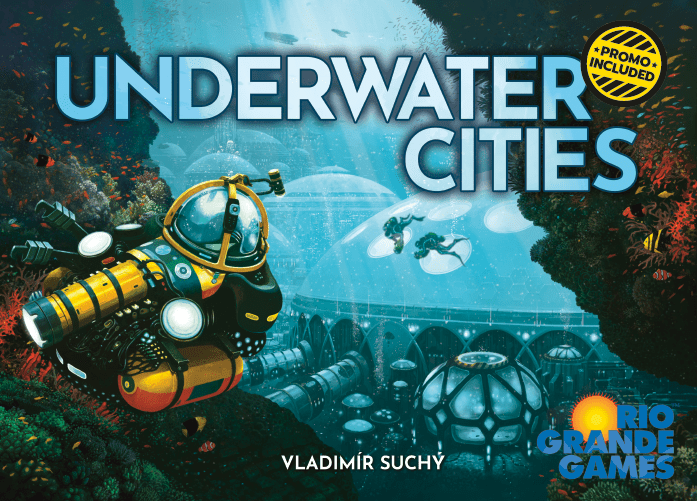
Underwater Cities - Image © Delicious Games, via BoardGameGeek
BGG #52 · Weight 3.59 · Rating 8.0 · 1-4 players · 150 min
→ BoardGameGeek
For players who found Dune: Imperium a touch too light and want more crunch, Vladimír Suchý’s Underwater Cities is the next step up. It’s a worker placement game where your cards don’t just generate resources - they must be colour-matched to the action space you use, creating a binding constraint that shapes every turn. You can’t just play whatever’s best; you have to play what fits the space you actually need.
That matching requirement adds a puzzle layer that will appeal to players who loved optimising their Dune deck. The theme is unique (building an underground oceanic civilisation), the solo mode is solid, and the 150-minute runtime earns its length with genuine strategic variety across plays. Heavier than Dune at weight 3.59, but a natural next step rather than a cliff jump.
7. Brass: Birmingham
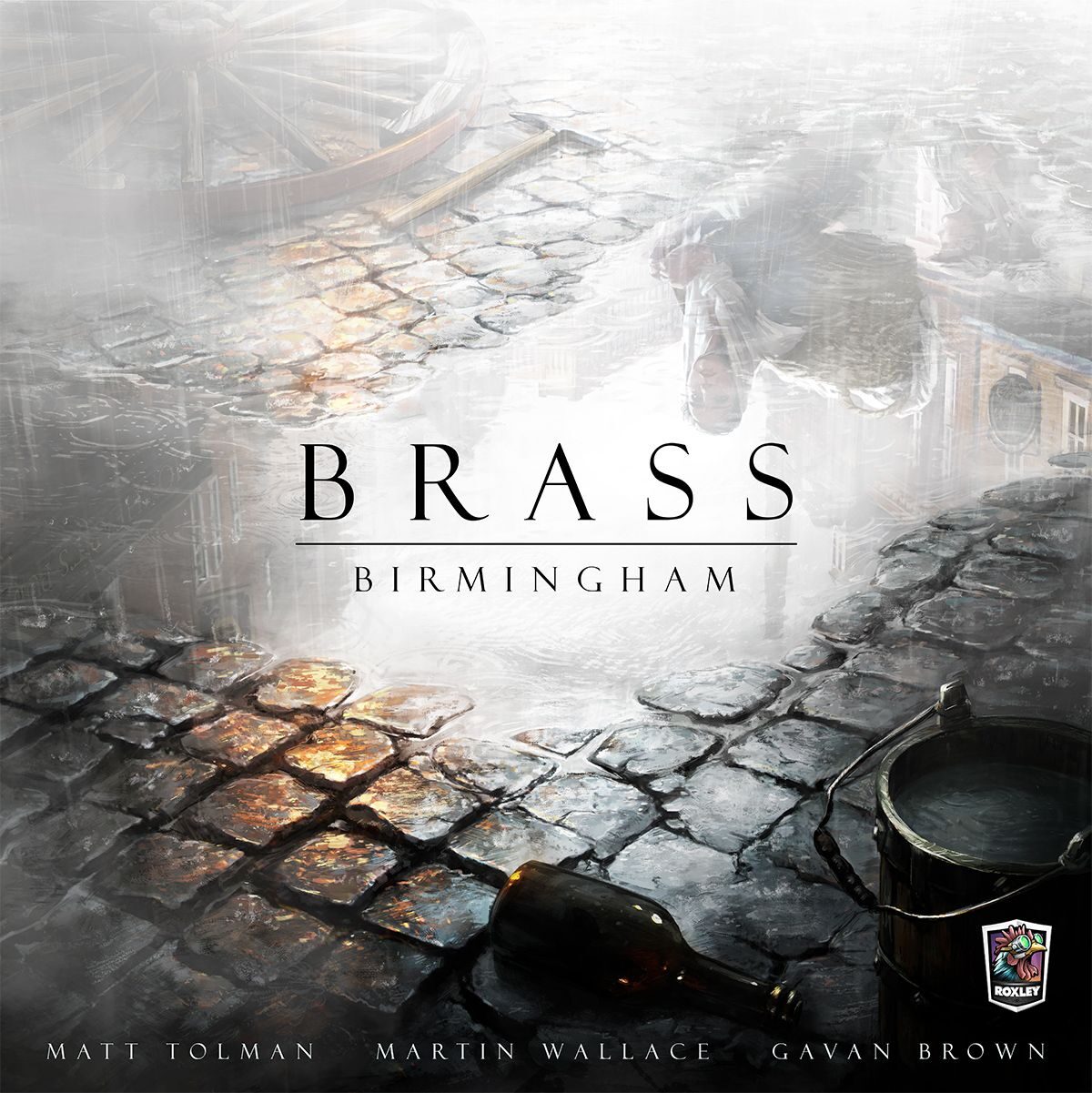
Brass: Birmingham - Image © Roxley Games, via BoardGameGeek
BGG #1 · Weight 3.86 · Rating 8.6 · 2-4 players · 120 min
→ BoardGameGeek
Brass: Birmingham is on this list not because it plays like Dune - it doesn’t - but because it occupies the same psychological space for a certain kind of player. If what you love about Dune is the feeling that every decision is load-bearing and that a misread of the board can cascade into a three-turn hole, Brass gives you exactly that feeling in an economic network-building frame.
You’re building factories and canals in 19th-century Birmingham, spending cards both to take actions and to connect your network to specific cities. The dual-use card mechanic creates agonising hand management similar to Dune’s: every card you spend to build might be the card you needed to reach a city next round. It’s a bigger learning curve (weight 3.86, the heaviest on this list), plays 2-4, and will immediately resonate with anyone who enjoyed working out the intricate resource chains in Dune. The #1 game on BGG for a reason.
Which One Should You Buy?
- Most similar mechanically → Lost Ruins of Arnak
- For the confrontational tension → Architects of the West Kingdom
- Shorter session, same DNA → Raiders of the North Sea
- Beautiful engine-builder, lower conflict → Everdell
- Gateway pick for mixed tables → Wingspan
- More crunch, more puzzle → Underwater Cities
- Step up to the big leagues → Brass: Birmingham
Still undecided? The safest buy after Dune is Arnak - same play length, near-identical mechanisms, completely different theme. After that, your next move depends on which part of Dune: Imperium you like most: the confrontation, the deck crafting, or the sheer weight of consequential decisions.