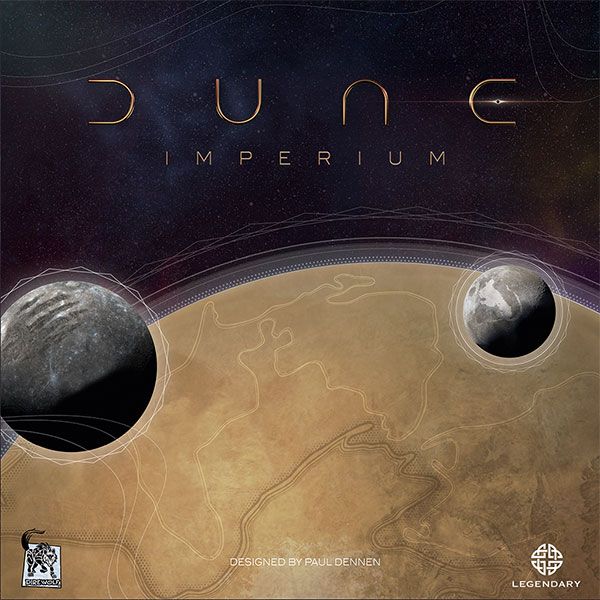
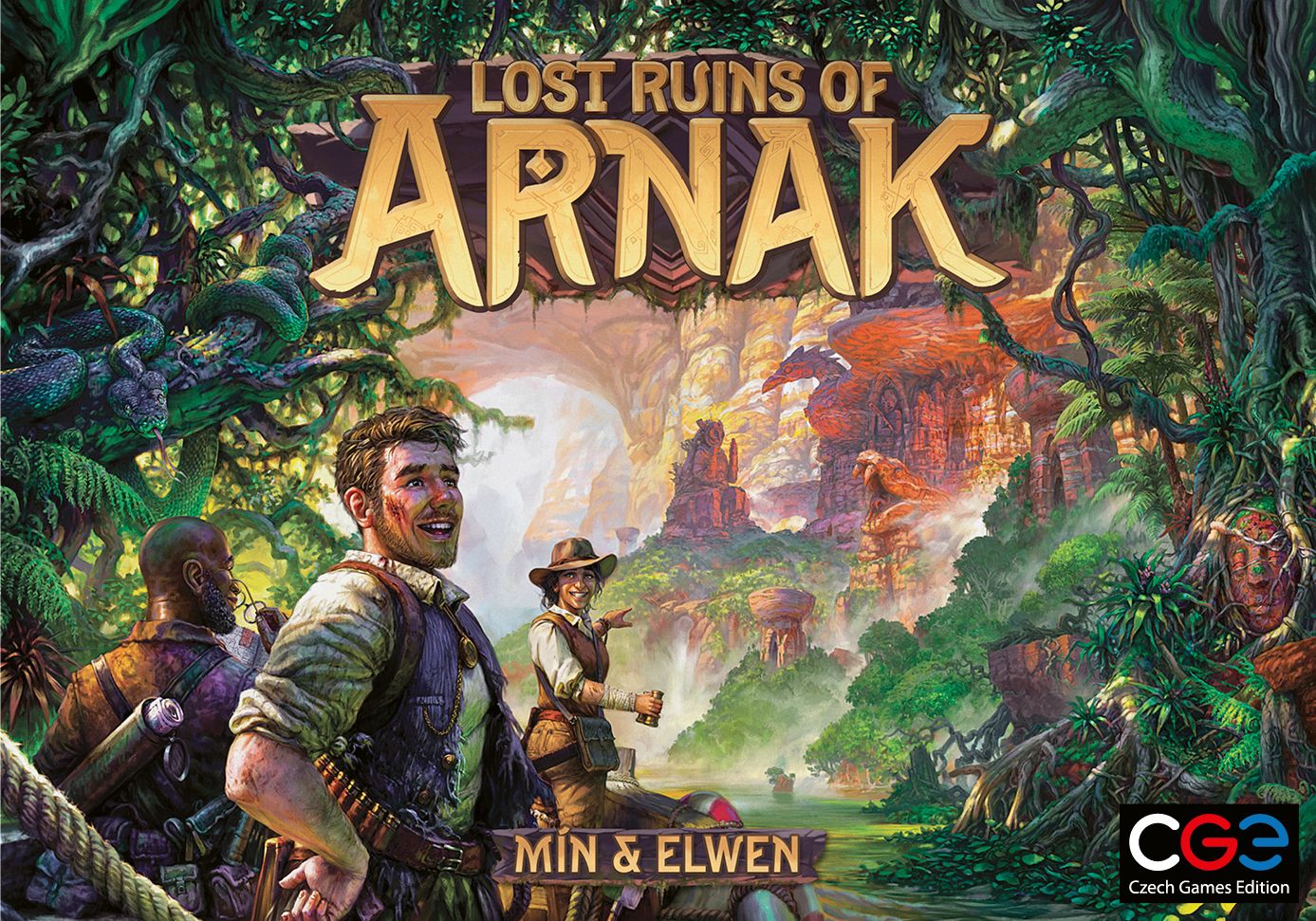
It’s the most frequently asked question in modern board gaming: “I want a game that combines deck-building with worker placement - should I get Dune: Imperium or Lost Ruins of Arnak?”
Both released in 2020. Both shot into BGG’s top 50. Both blend the same two mechanisms. Yet they feel remarkably different at the table. Here’s the deep breakdown.
The Elevator Pitch
Dune: Imperium is a political knife-fight disguised as a deck-builder. You’re manoeuvring agents across Arrakis, courting factions, and committing troops to conflicts - but the cards in your deck determine where your agents can go, creating a delicious tension between long-term deck strategy and short-term tactical needs.
Lost Ruins of Arnak is an exploration engine wrapped in a euro puzzle. You’re sending archaeologists to uncover sites on a mysterious island, managing a tight economy of resources, and racing up a research track - while your deck provides both resources and special abilities that amplify your efficiency.
By the Numbers
| Dune: Imperium | Lost Ruins of Arnak | |
|---|---|---|
| BGG Rating | 8.41 (#6 overall) | 8.08 (#30 overall) |
| Weight | 3.08 / 5 | 2.93 / 5 |
| Players | 1-4 (best 3-4) | 1-4 (best 3) |
| Play Time | 60-120 min | 30-120 min |
| Designer | Paul Dennen | Elwen & Mín |
| Publisher | Dire Wolf | Czech Games Edition |
The weight difference (3.08 vs 2.93) is small on paper but noticeable in practice. Dune’s complexity comes from interaction - reading opponents, timing conflicts, managing hidden information. Arnak’s comes from optimisation - sequencing actions efficiently, managing a tight resource economy.
How the Deck-Building Works
This is where the games diverge most sharply.
Dune: Imperium
Your cards serve a dual purpose. On your agent turns, you play one card face-down to send an agent to a matching board space - the card’s icons determine which locations you can access. On your reveal turn, the remaining cards in hand provide persuasion (to buy new cards) and swords (for combat).
This creates a brilliant tension: that card you bought for its powerful reveal ability might have the wrong icons for where you need to send agents. Your deck isn’t just an engine - it’s a key ring, and you’re always one key short.
Lost Ruins of Arnak
Cards are more traditional here. You play them for their effects (resources, movement, special abilities) or use them to travel to dig sites. The deck-building feels familiar if you’ve played Dominion or Star Realms - buy cards from a market row, add them to your discard pile, shuffle when your deck runs out.
The twist is that Arnak’s deck stays small. You’re not building a 30-card monster. You might add 4-6 cards over the whole game, and artifacts (one-shot powerful cards gained from exploration) add spice without bloating your deck.
Winner: Dune - if you want deck-building that feels genuinely novel. Arnak - if you want deck-building that’s satisfying but doesn’t dominate the experience.
How Worker Placement Works
Dune: Imperium
Agent placement is card-gated. You can only go where your cards let you. This makes the worker placement feel organic rather than a simple “block the space you want.” Other players can’t easily predict where you’ll go because they don’t know your hand.
Combat is also part of the worker placement - you deploy troops to a conflict, and the round’s conflict card determines what’s at stake. This adds a military dimension that Arnak entirely lacks.
Lost Ruins of Arnak
Worker placement is more traditional - you have two archaeologists per round, and placing them costs resources (plus fear cards from guardians you encounter). New sites are discovered as players explore, so the board grows during the game.
The research track is the game’s most distinctive element. It’s a separate victory point engine that rewards you for collecting specific resources and artifacts. Managing the balance between exploring (board presence) and researching (track advancement) is the core puzzle.
Winner: Dune - if you want tense, interactive placement. Arnak - if you want the satisfaction of an expanding puzzle.
Player Interaction
This is the biggest differentiator.
Dune: Imperium is highly interactive. Combat is zero-sum - every troop you deploy matters. Intrigue cards can directly affect opponents. Political alliances shift. Blocking matters. The game can feel cutthroat at 4 players.
Lost Ruins of Arnak is low interaction. Someone might take a site you wanted, or buy a card you were eyeing, but it rarely feels personal. You’re mostly racing against the clock (only 5 rounds) rather than against each other.
Solo & Two-Player
Both include official solo modes using AI opponents.
Dune at 2 players uses a dummy third player (the “Rival”) to maintain tension. It works, but many players feel the game truly shines at 3-4 where the conflict dynamics come alive. BGG’s player count poll backs this up - “Best with 3-4 players.”
Arnak at 2 players is excellent. The game’s lower interaction means fewer players doesn’t reduce the experience much. The tighter site competition at 2 actually creates interesting choices. BGG rates it “Best with 3” but “Recommended with 1-4.”
Winner: Arnak for 2 players. Dune for 3-4.
Theme & Immersion
Dune drips with theme - if you know the source material. The factions, the political intrigue, the spice economy - it all makes sense within Herbert’s universe. If you don’t know Dune, the theme still works but loses some of its narrative punch.
Arnak has a lighter, more universal theme. Indiana Jones meets Uncharted. Exploring mysterious ruins, dodging guardians, collecting artifacts. It’s approachable and visually gorgeous - CGE’s production values are outstanding.
Expansion Ecosystem
Dune: Imperium has a robust expansion path: Rise of Ix adds a new board section and dreadnoughts, Immortality introduces the Tleilaxu faction, and Bloodlines brings new leaders. There’s also a standalone reimplementation, Dune: Imperium - Uprising, which many consider the definitive version.
Lost Ruins of Arnak has Expedition Leaders (asymmetric player powers), The Missing Expedition (new cards and sites), and Twisted Paths (2025, new mechanisms). The expansions add variety without dramatically changing complexity.
So Which One Should You Buy?
Buy Dune: Imperium if you:
- Play mostly at 3-4 players
- Want meaningful player interaction and conflict
- Love the Dune universe (or enjoy political themes)
- Want deck-building that feels genuinely innovative
- Don’t mind slightly more rules complexity
Buy Lost Ruins of Arnak if you:
- Often play at 2 players
- Prefer low-conflict, puzzle-focused games
- Want a game that’s easier to teach new players
- Love exploration themes and beautiful production
- Want a slightly quicker, tighter experience
Buy both if you: have the shelf space. They’re different enough that owning both is completely justified. Despite the shared DNA of “deck-building + worker placement,” they scratch entirely different itches.
Both games are available at most major board game retailers. Prices typically range from £35-50 depending on edition and region.
BGG Links: Dune: Imperium | Lost Ruins of Arnak