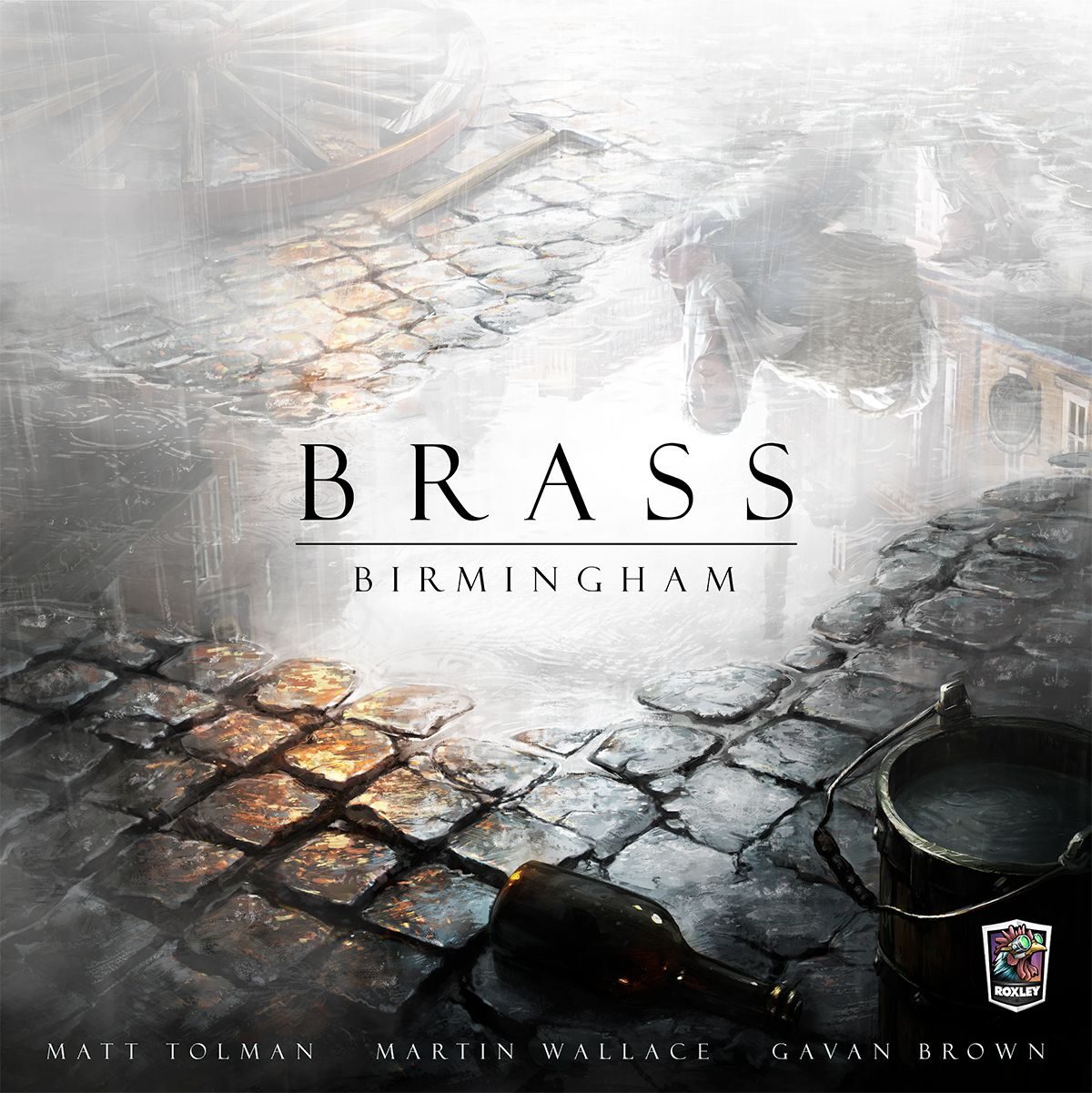
There’s a particular kind of frustration that comes with skipping rungs on the complexity ladder. You watch a YouTube video of Brass: Birmingham looking incredible, impulsively buy it, open the box, read three pages of rulebook - and quietly put it back on the shelf. The game wasn’t the problem. The order was.
Euro games have a genuine progression logic to them. The skills you develop in one game - reading a board state, thinking two turns ahead, managing tempo - transfer directly to the next. Get the order right and each new game clicks faster than the last. Get it wrong and you’re fighting mechanics you don’t have the vocabulary for yet.
This is that order. Six games, verified by BGG complexity weight, forming a clean path from the first weekend table game to the kind of thing that fills an entire Saturday.
How This Ladder Works
Each entry lists its BGG complexity weight (out of 5, sourced directly from the BGG API), which is the community’s aggregate score of how mentally demanding a game is to learn and play. The ordering is strict - no lower-weight game is ranked above a higher-weight one. Where two games share a tier, they’re co-occupants, not competitors.
Rung 1: Ticket to Ride
BGG Weight: 1.82 | BGG Rank: #263 | 2-5 players | 30-60 min
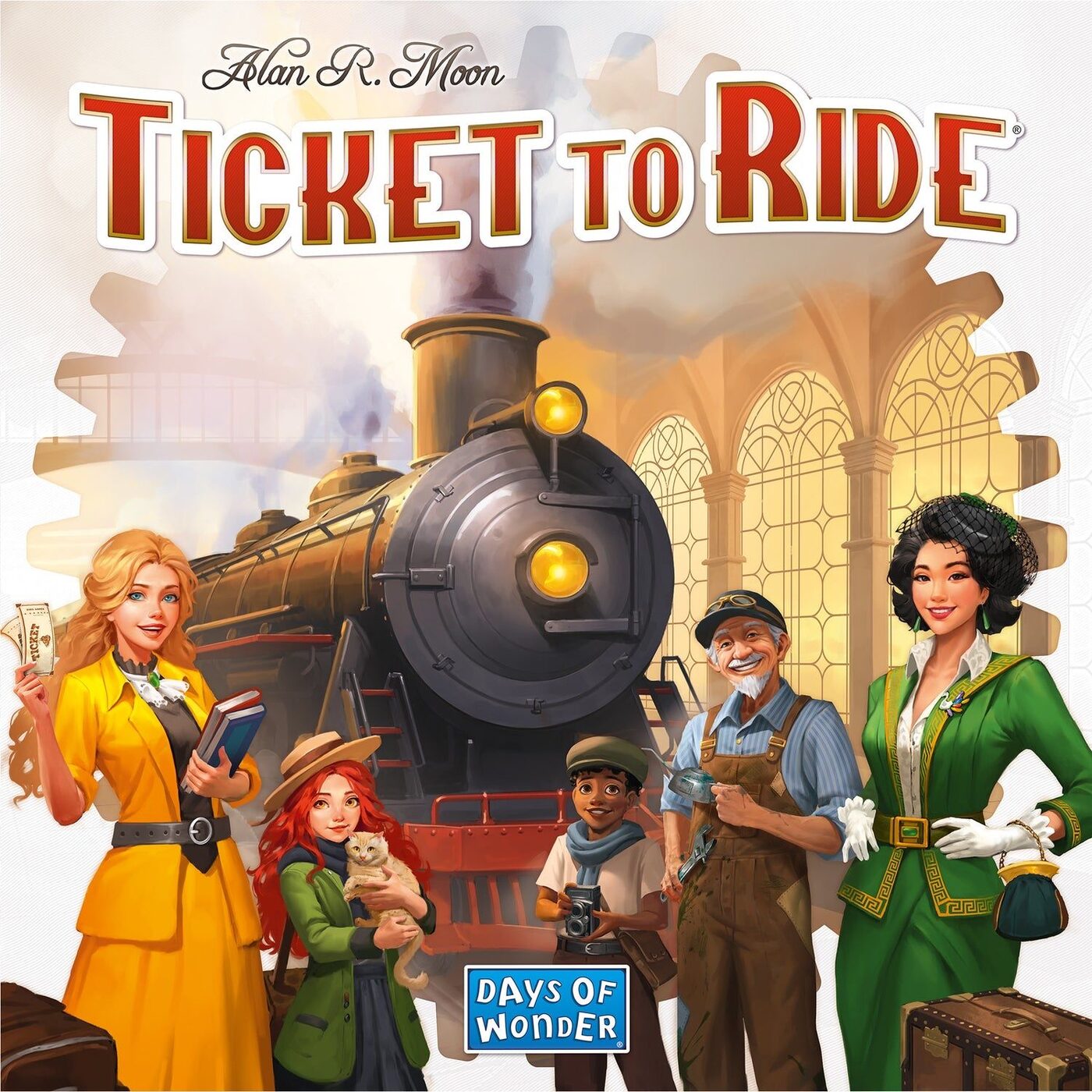 Image © Days of Wonder.
Don’t dismiss Ticket to Ride as “not a real Euro” - it teaches the single most important skill in the genre: opportunity cost. Every train car you play is one fewer available for a different route. Every destination you pick is a risk if you can’t complete it. The game looks like a relaxed route-building exercise, and it is - right up until someone blocks your critical connection and you realise you never had a backup plan.
This is exactly the cognitive muscle you’ll need for everything that follows. Ticket to Ride trains you to hold multiple goals simultaneously, read what other players are building, and make decisions under mild scarcity. It’s a gentle teacher, but it’s teaching you real things.
Why this rung works: No iconography to decode, minimal rules overhead, 45-minute sessions. Your non-gamer friends will actually play this with you.
Rung 2: Wingspan
BGG Weight: 2.48 | BGG Rank: #38 | 1-5 players | 40-70 min
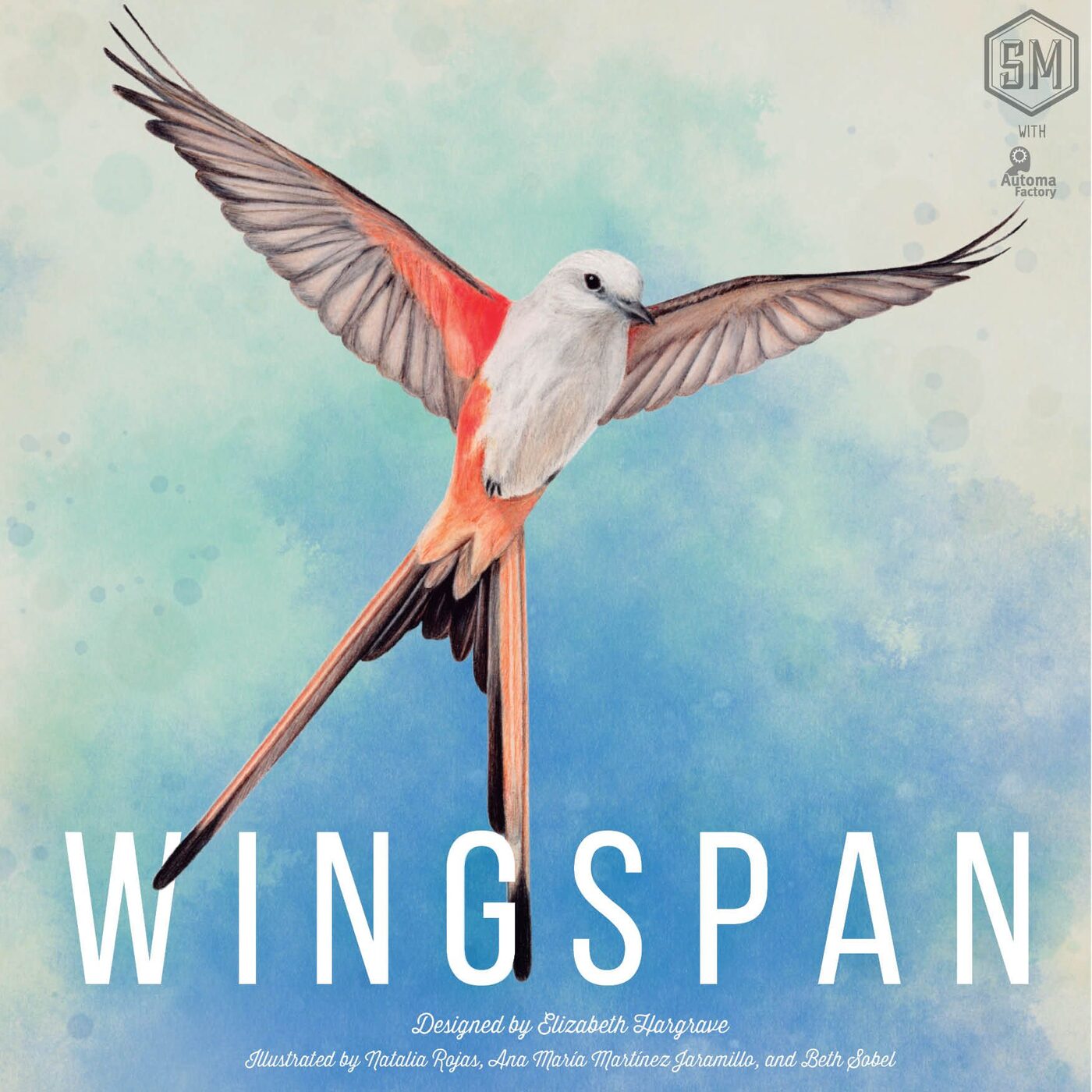 Image © Stonemaier Games.
Wingspan is the best on-ramp to engine-building in the hobby. The concept - activate a habitat, birds in that habitat trigger a chain reaction - sounds simple, and it is, for the first few rounds. Then you start seeing combos. A bird that gives extra food when activated. A bird that lets you take two actions on one turn. A bird that copies whatever the player to your left just did. Suddenly you’re building a machine.
The jump from Ticket to Ride (1.82) to Wingspan (2.48) isn’t huge in raw weight, but the kind of thinking required shifts significantly. You’re no longer just blocking or connecting - you’re building towards something, turn by turn, that should be paying off by round 4. Players coming from TTR sometimes underrate Wingspan’s depth until they lose to a well-constructed engine and understand what happened.
Why this rung works: Beautiful components help, but the real hook is that the engine-building reward loop is clearly visible. You can see your machine working. That’s satisfying and it makes the complexity feel earned rather than arbitrary.
Rung 3: Terraforming Mars
BGG Weight: 3.27 | BGG Rank: #9 | 1-5 players | ~120 min
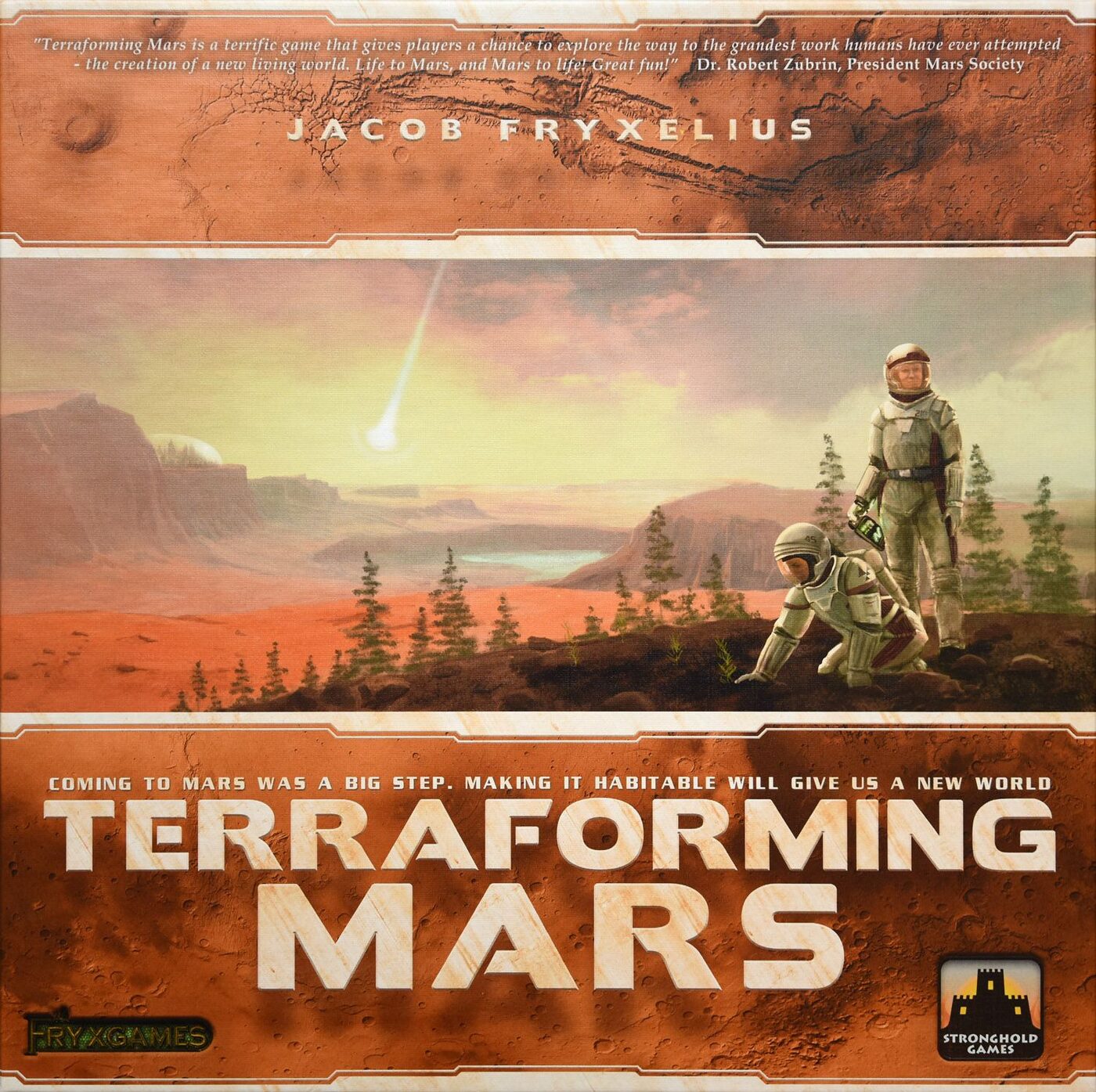 Image © FryxGames.
This is where the ladder steepens. Terraforming Mars is a 200+ card engine-builder with a shared planetary board, six resource tracks, and a game length measured in hours rather than minutes. The weight jump from Wingspan (2.48) to Terraforming Mars (3.27) is the largest single step on this ladder - and you’ll feel it.
What Terraforming Mars actually teaches is resource economy at scale. You’re not just building one engine; you’re managing six interlocking production streams while simultaneously trying to terraform a planet with three global parameters (temperature, oxygen, ocean) that everyone affects. Cards can be free, cheap, or brutally expensive depending on which corporation you’re running. Reading a hand of cards and figuring out which three you can actually afford this generation, given what you’re producing, is a skill that takes several plays to develop.
BGG players are direct about this: “The first game is long and you’ll feel lost by round 3. The second game, you’ll start seeing what you should have done in game one. The third game, you’ll actually feel like you’re competing.” That trajectory is accurate.
Why this rung works: The shared planetary board gives you visible context for what everyone’s doing. It’s complex, but it’s legible. You’re never confused about what’s happening - just about whether your plan is better than the other player’s plan.
Rung 4: Agricola
BGG Weight: 3.64 | BGG Rank: #66 | 1-5 players | 30-150 min
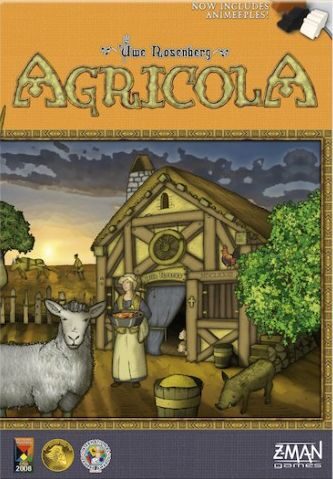 Image © Lookout Games.
Agricola is the point on the ladder where people discover they don’t like starvation. In this 14-round worker placement game, you’re a 17th-century farmer trying to build a home, cultivate fields, raise animals, and - critically - feed your family every harvest phase or pay penalties. The feeding mechanism is relentless. Every choice you make is shadowed by the question: will I be able to feed everyone?
The weight increase from Terraforming Mars (3.27) to Agricola (3.64) comes from the game’s fundamental scarcity architecture. There are never enough actions. The spots you want are always being taken. You’re constantly prioritising between urgent (must feed family) and important (must develop farm to feed family next time). The 200+ card deck in the revised edition adds layers of engine-building on top of that base tension.
BGG reviews consistently note that the first play feels overwhelmingly reactive - just surviving, never thriving. The click comes on play two or three when you start understanding tempo: which actions to take early, which development paths pay off in the late game, how to build a farm that feeds itself rather than requiring you to scramble every harvest.
Why this rung works: Agricola is genuinely difficult, but its theme is unusually legible. You’re a farmer. You need food. You’re building a better farm. The mechanisms are rooted in something tangible, which makes the complexity easier to absorb than a game of equal weight with abstracted mechanisms.
Rung 5: Brass: Birmingham
BGG Weight: 3.86 | BGG Rank: #1 | 2-4 players | 60-120 min
 Image © Roxley Games.
The #1 ranked game on BGG is sitting right here on the penultimate rung, and it belongs here. Brass: Birmingham is a network-building economic game set during the Industrial Revolution, and it demands everything you’ve learned so far - resource management, opportunity cost, tempo, engine efficiency - and adds a new constraint: interdependence.
In Brass, you can build industries on your opponents’ networks and they can use yours. Taking a merchant link benefits the other player who connects to it. This mutual dependency is what separates Brass from the games below it on this ladder. You’re not just optimising your own position; you’re constantly calculating what you’re giving away when you build, and what you can exploit from what others have built. Two rounds of Brass teaches you more about positional thinking than ten rounds of most other games.
The card-hand management layer compounds this. Every action requires playing a card that either specifies a location or a resource. You have limited cards per era. What you play is gone. The discipline to not play your best cards too early - to sequence correctly - is a skill that Brass specifically develops and rewards.
Why this rung works: Brass doesn’t feel punishing once the systems click. It feels like chess: every move is meaningful, every decision has downstream consequences, and games between experienced players are consistently tight.
Rung 6: A Feast for Odin
BGG Weight: 3.87 | BGG Rank: #26 | 1-4 players | 30-120 min
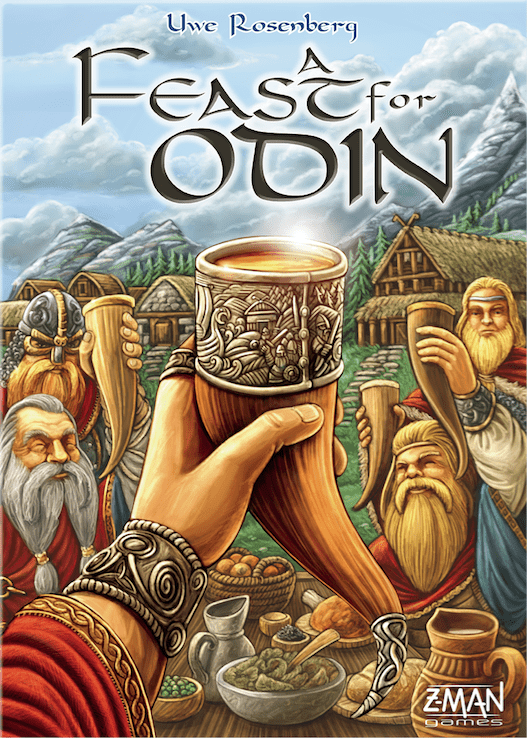 Image © Z-Man Games.
Brass: Birmingham and A Feast for Odin are statistically tied for complexity (3.86 vs 3.87 - essentially the same weight class). But they’re very different games, and A Feast for Odin takes the final rung because of one thing: its action space has 61 spots.
Uwe Rosenberg’s Viking exploration game is the opposite of Brass’s focused interdependence. It’s expansive, almost sandbox-like - you can farm, explore, raid, hunt, craft, trade, emigrate, and colonise, all in service of filling a board of empty squares with income-generating tiles. The scoring is intricate: income tracks, penalty squares, exploration bonuses, island bonuses, and a points-at-game-end from leftover goods. Understanding what to prioritise from that menu, and building a coherent strategy across 20 rounds, is a genuine planning challenge.
Players who’ve worked through this ladder typically report that A Feast for Odin feels large but not overwhelming - which is exactly the point of building these skills progressively. The game’s scope would be paralyzing as a second or third game. At this point in your Euro journey, it’s a satisfying puzzle.
Why this rung works: Unlike anything below it, A Feast for Odin rewards players who’ve developed a tolerance for ambiguity - who are comfortable saying “I don’t know which of these five paths is optimal, let me build the strongest position I can and adjust.” That’s the top of the ladder.
Choosing Your Next Step
If you already own some of these games, here’s a quick reference:
| Game | BGG Weight | Players | Time | BGG Rank |
|---|---|---|---|---|
| Ticket to Ride | 1.82 | 2-5 | 30-60 min | #263 |
| Wingspan | 2.48 | 1-5 | 40-70 min | #38 |
| Terraforming Mars | 3.27 | 1-5 | ~120 min | #9 |
| Agricola | 3.64 | 1-5 | 30-150 min | #66 |
| Brass: Birmingham | 3.86 | 2-4 | 60-120 min | #1 |
| A Feast for Odin | 3.87 | 1-4 | 30-120 min | #26 |
The main thing the ladder gets you: the confidence to read a rulebook and understand not just what to do but why the designer made those choices. Every game here is teaching that language. By the time you reach Feast for Odin, you’re fluent.