Three players is the awkward middle child of board gaming. It’s the most common household count - two adults plus a friend, or a family where the youngest just aged into real games - but it’s poorly served by a lot of titles that quietly fall apart at three.
Two-player games go headless at three. Five-player games become negotiations between strangers at three. And a significant slice of the medium-weight euro catalogue was designed with 4 in mind, plays fine at 3, but nobody told you that your preferred count is actually squeezing the game’s intended balance.
The games below are different. Each one is genuinely good at three - not “technically supports 3 players” good, but actually delivers its best experience, or very close to it, at that count. They run the full weight spectrum from 45-minute tile puzzles to three-hour economic engines. Pick your entry point.
Azul

BGG Rating: 7.71 · Weight: 1.77 · Players: 2-4 · Time: 45 min · BGG Rank: #99
Best player count: 3-4. Why it works at three: at 3 players, every factory tile becomes genuinely contested. With four players, the draft is so crowded that planning two turns ahead is almost impossible. With two, there’s rarely enough competition to force hard decisions. Three hits a sweet spot where you can read your opponents’ patterns and actually respond to them - and where “first player order” matters enough to care about.
Azul is a tile-drafting puzzle about completing rows on a personal wall. Each round, tiles are arranged across shared factory displays. On your turn, you pick all tiles of one colour from one factory - the leftovers go to the centre. Someone will take the centre pile first, but they’ll also pick up the first player marker and take a penalty point.
The game is fast to teach (under 10 minutes), plays in 45 minutes with 3 people, and packs an enormous amount of tension into a light framework. The moment where you watch an opponent take exactly the tiles you needed - leaving you with the pile you were desperately avoiding - never gets old.
Gateway rating: the gold standard. If someone has never played a modern board game and you need an on-ramp that won’t scare them off, Azul is the pick. Plays immediately, looks beautiful, creates real decisions without requiring a rulebook session beforehand.
7 Wonders
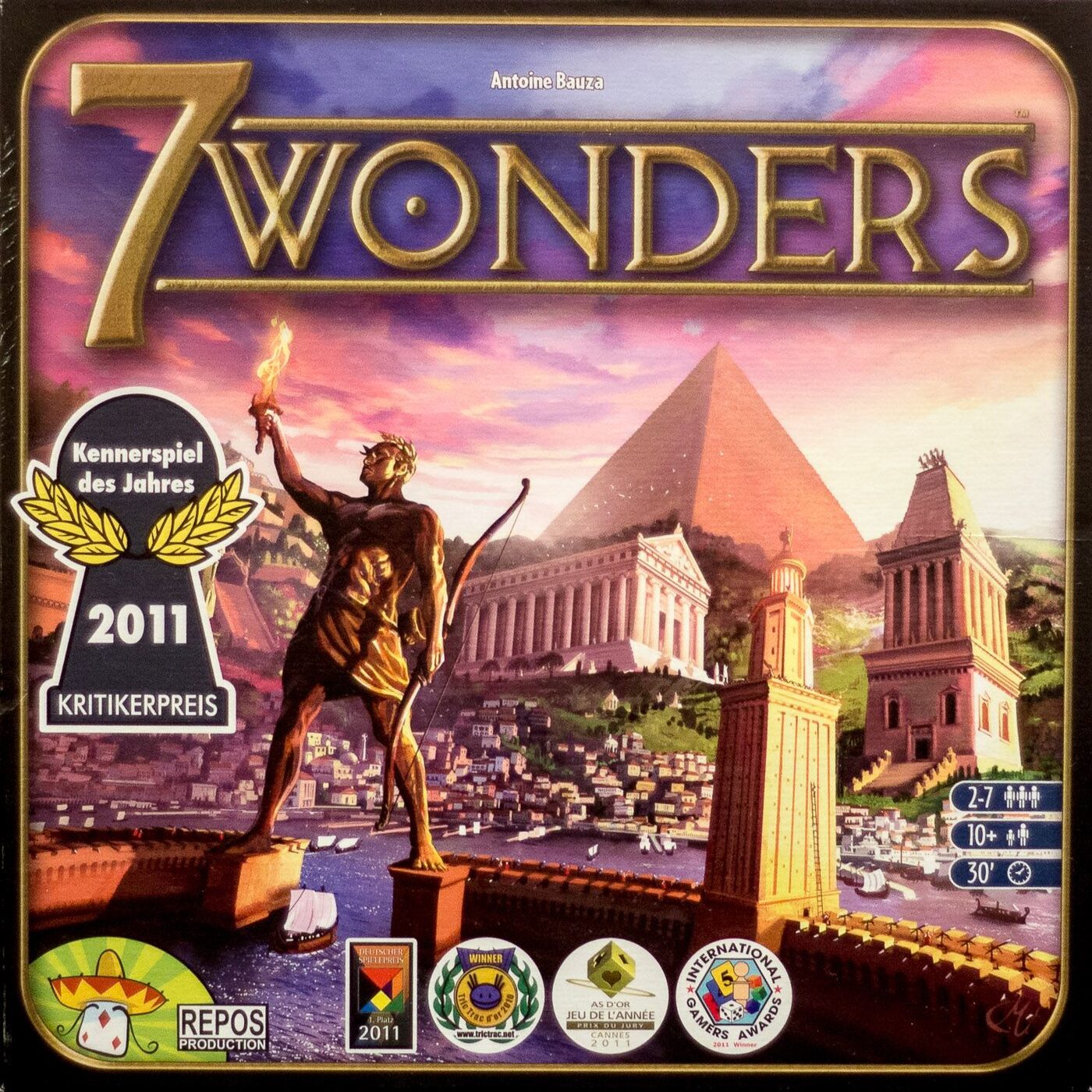
BGG Rating: 7.66 · Weight: 2.31 · Players: 2-7 · Time: 30 min · BGG Rank: #119
Best player count: 3-5. Why it works at three: 7 Wonders is one of the few games that explicitly plays in the same time regardless of player count - 30 minutes at 3 or at 7. At three, you only have two neighbours to worry about, which makes the military conflict simpler and makes it easier to track what resources are being built across the table. The drafting also becomes tighter: with seven cards in hand and two opponents, more of your early reads about what to block pay off.
7 Wonders puts each player in control of an ancient civilisation building a wonder of the world. Cards are dealt into hands, you pick one each round, then pass the hand to your neighbour. Science, commerce, military, civilian construction, and guild cards all score differently. After three ages, the highest score wins.
It’s not a particularly deep game at 2.31 weight, but the decision density is real - you’re always choosing between your own development, blocking a neighbour’s engine, or taking a card that does neither but scores well. At three players, there are exactly right number of eyes to track without overwhelming anyone.
Also worth knowing: the 7 Wonders Duel spin-off is the dedicated two-player version and is excellent on its own. The base game scales upward well but doesn’t need five people to justify the box.
Pandemic
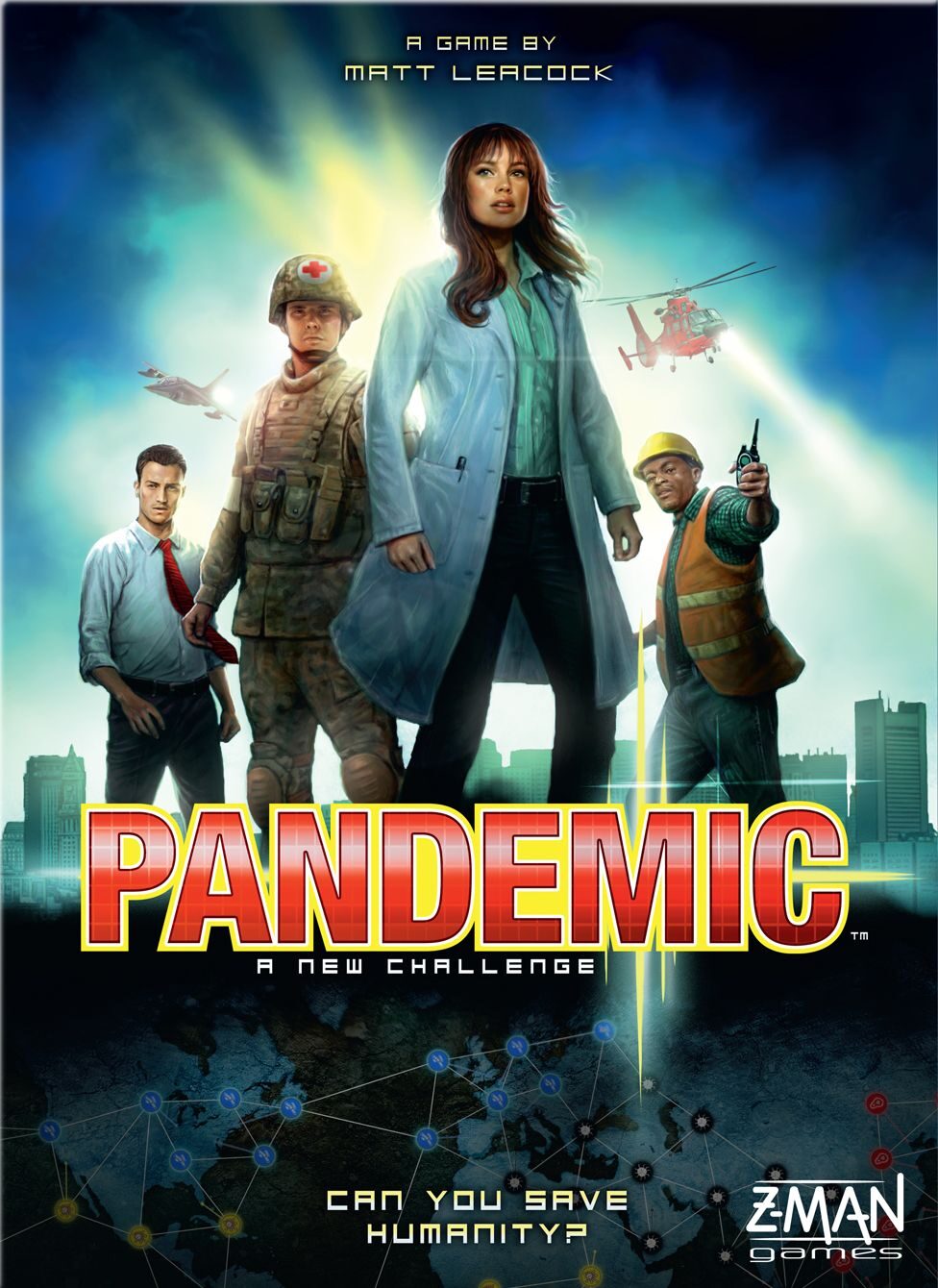
BGG Rating: 7.51 · Weight: 2.39 · Players: 2-4 · Time: 45 min · BGG Rank: #174
Best player count: 3-4. Why it works at three: Pandemic is a co-operative game, which sidesteps the usual three-player problem entirely. There’s no kingmaker dynamic, no runaway leader, no awkward arithmetic when someone’s knocked out. Three players means each person runs two roles comfortably, the discussion is manageable without becoming chaotic, and the game’s escalating crisis structure stays tense from start to finish.
Pandemic puts the group in charge of containing four simultaneous disease outbreaks. Each player takes a role - Medic, Scientist, Dispatcher, Researcher, and others - with a distinct special ability, then takes turns moving between cities, treating disease cubes, and building research stations. Collect five cards of the same colour and cure that disease. The challenge is that the infection deck keeps accelerating: cities that were infected once get infected again, chain-reacting into outbreaks that snowball terrifyingly fast.
After 16 years, Pandemic remains the template that most co-operative games are measured against. It’s not the most complex design on this list (weight: 2.39), but it does something few games manage: it creates genuine moments where the whole table leans forward because a single die roll - or, in this case, a single card flip - changes everything.
Starting point: Play on Normal difficulty first. The Introductory setting is too forgiving to create the pressure that makes the game interesting.
Wingspan
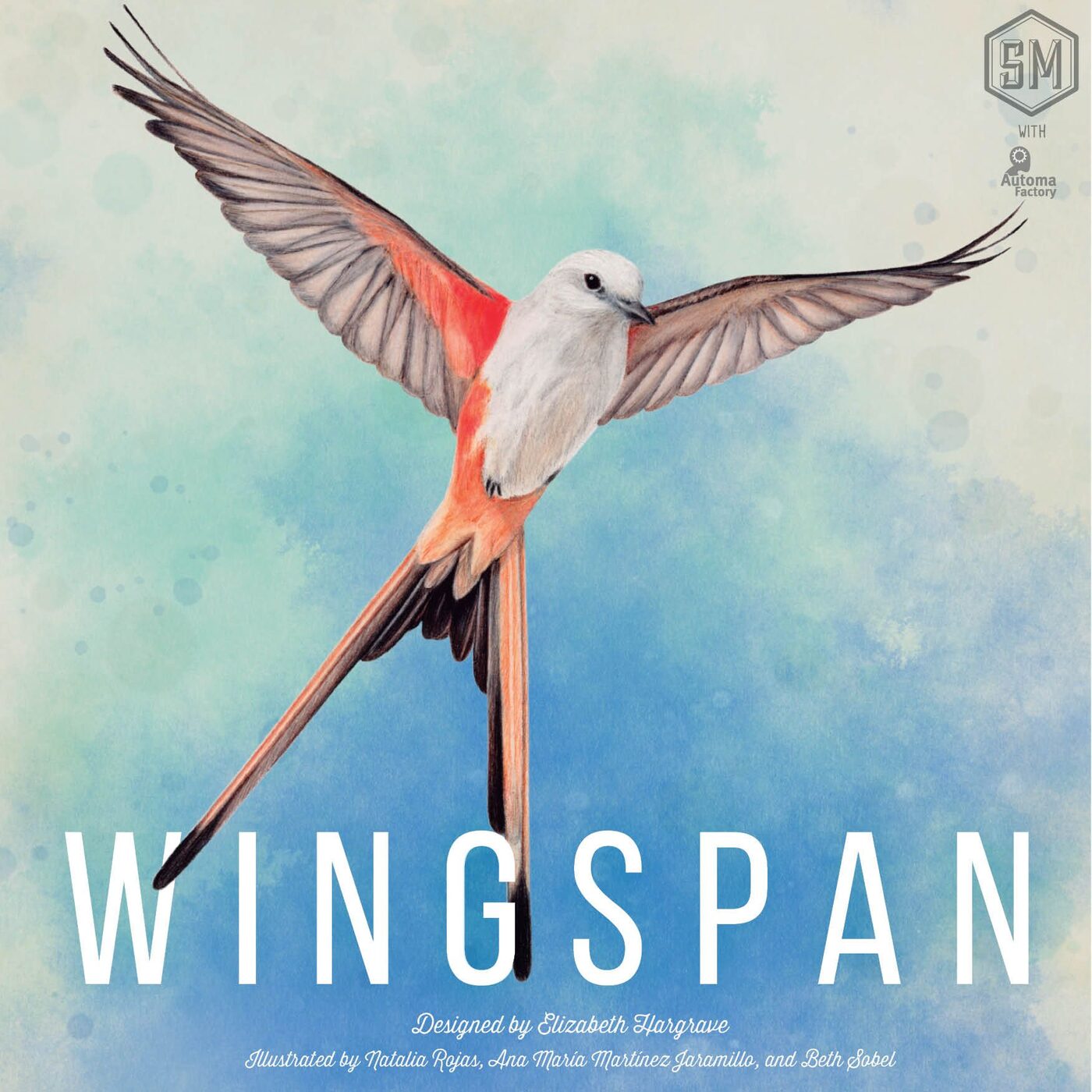
BGG Rating: 8.00 · Weight: 2.48 · Players: 1-5 · Time: 70 min · BGG Rank: #38
Best player count: 2-4. Why it works at three: Wingspan’s engine-building structure rewards players who know roughly where they stand relative to competitors. At four or five, there are enough moving parts that catching up on the egg track, food track, or bird card count feels remote. At three, you can read the table - “she’s going wide on wetland birds, he’s running an egg engine” - and adjust your own plan accordingly. The game also avoids the multi-player solitaire criticism that sticks to some engine-builders: egg thefts, bird powers that trigger off neighbours’ actions, and the round-end goal tiles create genuine competition.
Wingspan is a card-driven engine builder where you attract birds to three habitat areas: forest, grassland, and wetland. Each bird card lists a cost in food or eggs and activates a power when played. Some powers are immediate; others create cascading chains the longer the game runs. After four rounds, the player who squeezed the most points from their tableau wins.
It looks passive but plays actively. The card art (500+ birds, all scientifically accurate) is extraordinary. And the solo mode - the Automa - is one of the best AI opponents in the hobby if you ever find yourself short of players.
Expansion note: the core box is complete on its own. The European, Oceania, and Asia expansions all add meaningful new cards and mechanics - but start with the base game.
Viticulture: Essential Edition
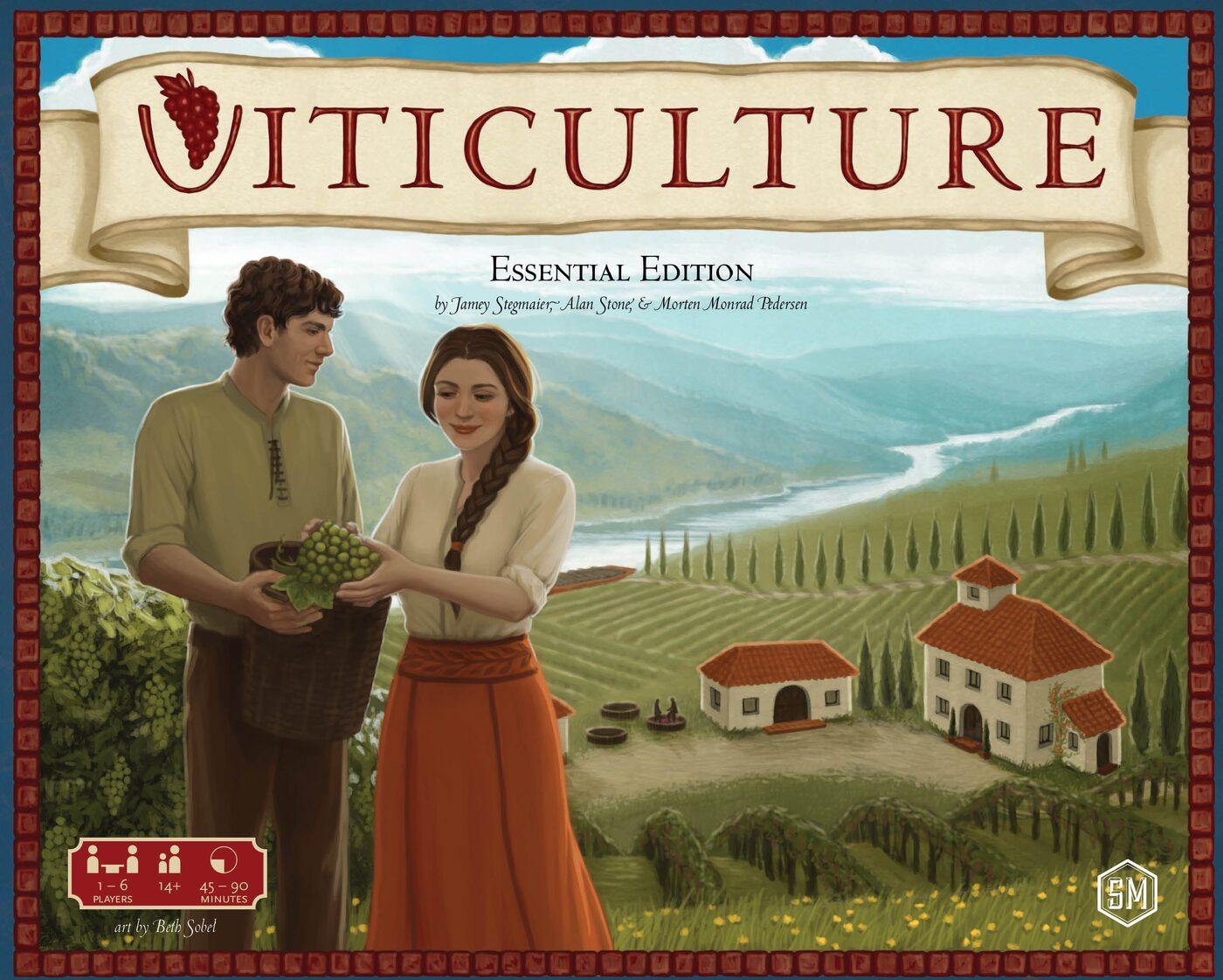
BGG Rating: 7.96 · Weight: 2.90 · Players: 1-6 · Time: 90 min · BGG Rank: #43
Best player count: 3-4. Why it works at three: Viticulture is a worker placement game, and worker placement games have a specific three-player problem: if there are 4 action spaces and 4 players, one person always gets locked out. At three, Viticulture’s action spaces are contested without being suffocating. You can plan a two-turn strategy and execute most of it. The seasons structure - spring, summer, autumn, winter - creates natural rhythm, and the “grande worker” mechanic, which lets each player place in an already-occupied space once per round, gives everyone a pressure valve when the board tightens.
Viticulture: Essential Edition puts you in charge of a Tuscan winery over a series of years. Plant vines, harvest grapes, age wine in your cellar, fill visitor orders. Workers go out in spring and summer, harvest happens in autumn, and winter is when you complete wine orders and score. The Essential Edition includes the Tuscany expansion’s visitor cards and the enhanced board, which is now considered the definitive version.
At weight 2.90, it sits in a comfortable middle tier: more decisions than Pandemic or 7 Wonders, lighter than Root or Brass. It’s a good step up for groups who’ve mastered gateway games and are ready for a 90-minute puzzle without committing to a heavy euro.
Who teaches it best: the person who’s played it twice. First-timers often over-explain the late-game wine orders; experienced players know to just get people building their vineyard and let the rest click in.
Root
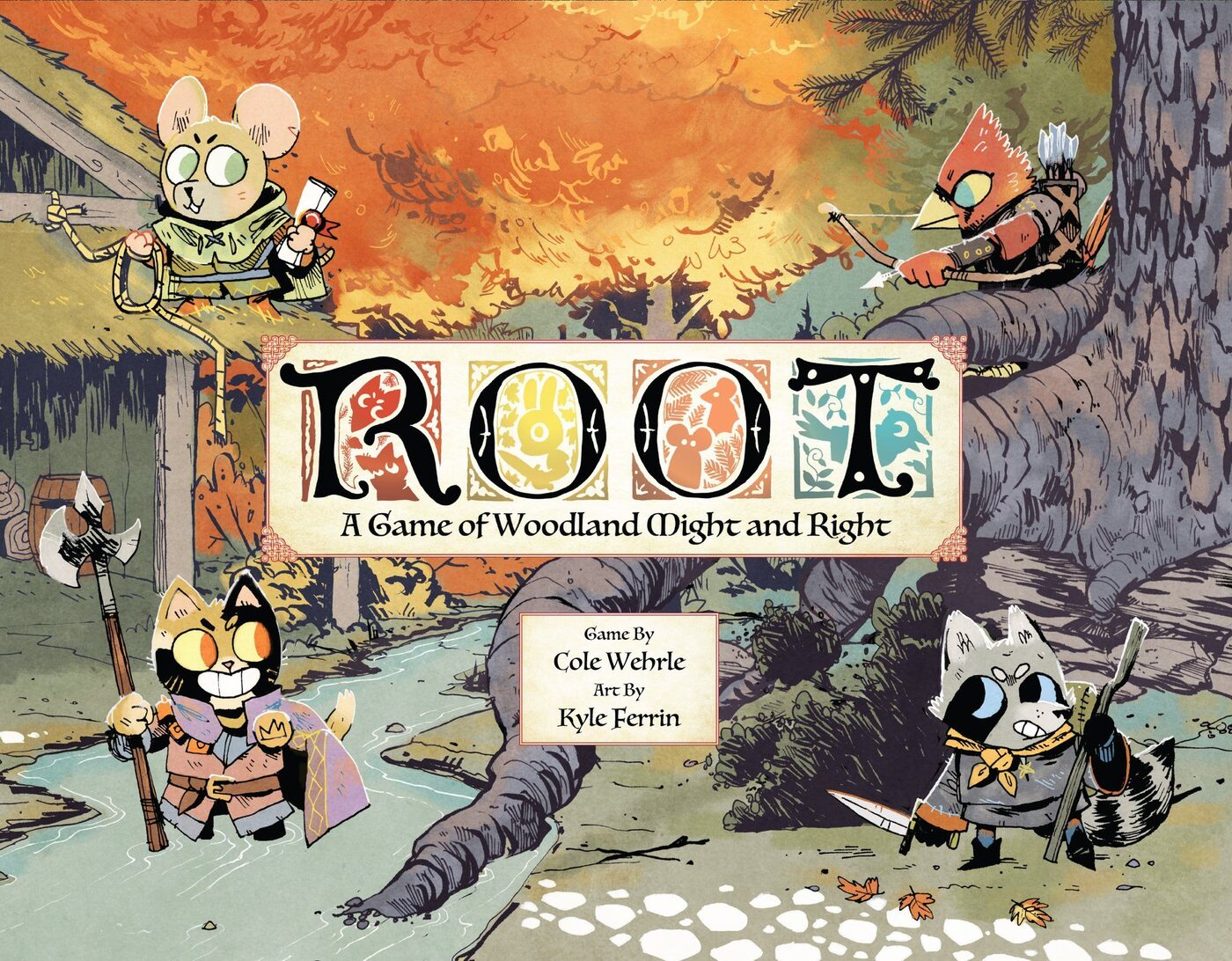
BGG Rating: 8.07 · Weight: 3.84 · Players: 2-4 · Time: 90 min · BGG Rank: #34
Best player count: 3-4. Why it works at three: Root’s faction asymmetry means every player at the table has a different game in front of them, and three players is enough to create the political pressure that makes the factions work. With two, the dynamic collapses toward direct war. With four, the board gets crowded enough that some factions lose room to develop. Three is where the Marquise’s industrial engine, the Eyrie’s fragile decree, and the Woodland Alliance’s slow-burning uprising can all develop at their own pace - and where alliances actually form and break meaningfully.
Root is an asymmetric area control game set in a woodland realm. Each faction has completely different rules, a different win condition path, and a different feel. The Marquise de Cat builds infrastructure and scores off production. The Eyrie Dynasties expand but must follow an ever-growing decree that risks turmoil if they break it. The Woodland Alliance cultivates support across the map until sympathy tips into open revolt. They share a board but not a game.
Teaching Root takes longer than anything else on this list - plan 20-30 minutes for first-game setup and rules - but the payoff is proportionally larger. Players who clicked with Root describe it as the most “alive” game they own, because the factions genuinely feel like competing civilisations rather than colour-coded pieces.
Starting faction advice for 3 players: Marquise (Cat), Eyrie, and Woodland Alliance. Save the Vagabond for later - the roaming hero role works better when you’ve played the core three and understand what they’re trying to do.
Brass: Birmingham

BGG Rating: 8.56 · Weight: 3.86 · Players: 2-4 · Time: 120 min · BGG Rank: #1
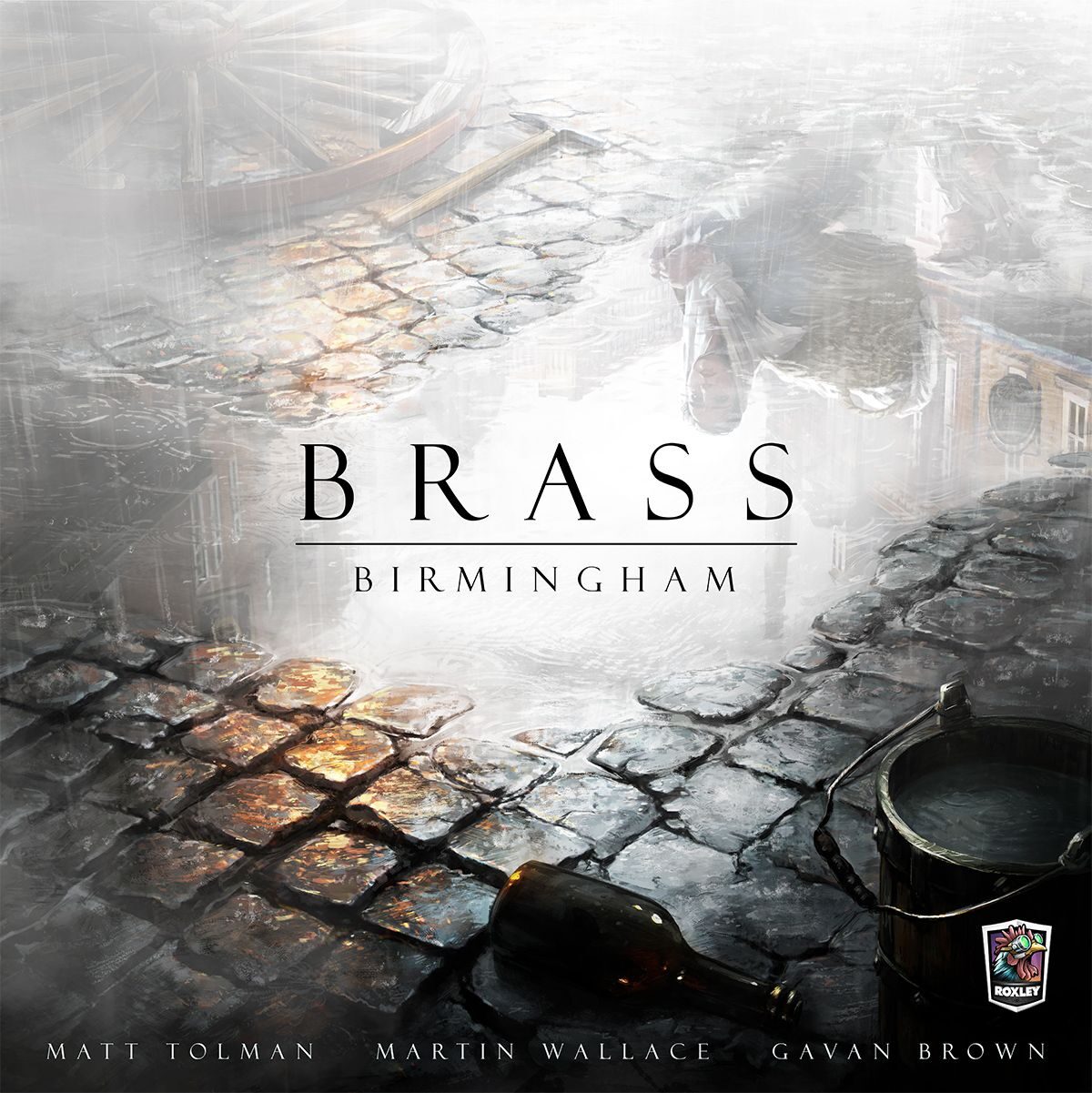
Best player count: 3-4. Why it works at three: Brass: Birmingham is the #1 rated board game on BGG, and three players is arguably its ideal count. At two, the network-building becomes more predictable - there’s only one opponent to read and fewer contested links. At four, the game extends significantly and the link-stealing dynamic can become punishing. At three, you get the full complexity of a multi-player network game, everyone is active in shaping the board, and the interactive tension runs high throughout both the Canal and Rail eras.
Brass: Birmingham is a network-building economic game set during the Industrial Revolution in the English Midlands. Players build industries - coal mines, iron works, cotton mills, potteries, manufactured goods - and connect them to markets via a network of canals and later railways. The twist: industries can only score if they’ve been developed (exhausted), and developing your own industry often requires an opponent’s coal or iron. The game runs two eras; at the end of the Canal era, all network connections are wiped and everyone starts rebuilding in the Rail era with larger resources and bigger decisions.
At weight 3.86, this is the heaviest game on the list. Plan 2-2.5 hours for a first play. The teach takes 30-45 minutes and the mechanics don’t fully click until about halfway through the first era. Second games are dramatically better, because players understand why they’re building where they’re building.
The case for buying this first: no game on this list has a higher ceiling. If your group is willing to learn and return to a game across multiple plays, Brass: Birmingham will be the best investment.
Quick Reference
| Game | BGG Rating | Weight | Players | Time | Best at 3? |
|---|---|---|---|---|---|
| Azul | 7.71 | 1.77 | 2-4 | 45 min | ✅ Excellent - hits sweet spot for contested drafting |
| 7 Wonders | 7.66 | 2.31 | 2-7 | 30 min | ✅ Great - military tracking is simpler, drafting tighter |
| Pandemic | 7.51 | 2.39 | 2-4 | 45 min | ✅ Great - co-op avoids all 3p scaling issues |
| Wingspan | 8.00 | 2.48 | 1-5 | 70 min | ✅ Good - table is readable; competition stays meaningful |
| Viticulture EE | 7.96 | 2.90 | 1-6 | 90 min | ✅ Excellent - spaces contested but not blocked; grande worker key |
| Root | 8.07 | 3.84 | 2-4 | 90 min | ✅ Excellent - political triangle creates the game’s best dynamic |
| Brass: Birmingham | 8.56 | 3.86 | 2-4 | 120 min | ✅ Excellent - considered optimal count by many experienced players |
How to Pick
If your group has never played a modern board game: Azul. Teach in 10 minutes, play in 45, and they’ll want a rematch.
If you want something with variety - every session feeling different: Root. The faction combinations make each game genuinely distinct.
If nobody wants conflict: Pandemic. Full co-operation, no kingmaker issues, equally fun for new and experienced players.
If you’ve mastered the gateways and want the next step: Viticulture Essential Edition. It bridges the gap between family games and heavier euros without demanding a full afternoon.
If you want the best board game ever made (at 3 players): Brass: Birmingham. Takes commitment to learn. Worth every minute.
Three is a great count. These seven games all know it.