Wingspan deserves its success. It made engine building gorgeous and approachable, and it introduced millions of people to a mechanic that eurogame veterans have loved for decades. But if your entire engine-building experience begins and ends with birds, you’re missing out on some of the genre’s best work.
Engine building - the act of assembling a combo of cards, resources, or abilities that grows more powerful each turn - is one of the most satisfying feelings in tabletop gaming. That moment when your janky three-card combo suddenly fires off a chain reaction worth 15 resources? Pure serotonin.
Here are seven engine builders worth your time, ordered from lightest to heaviest so you can find your comfort zone.
1. Splendor
BGG Weight: 1.78 · 2-4 Players · 30 min · BGG Rank #243 · BGG Page
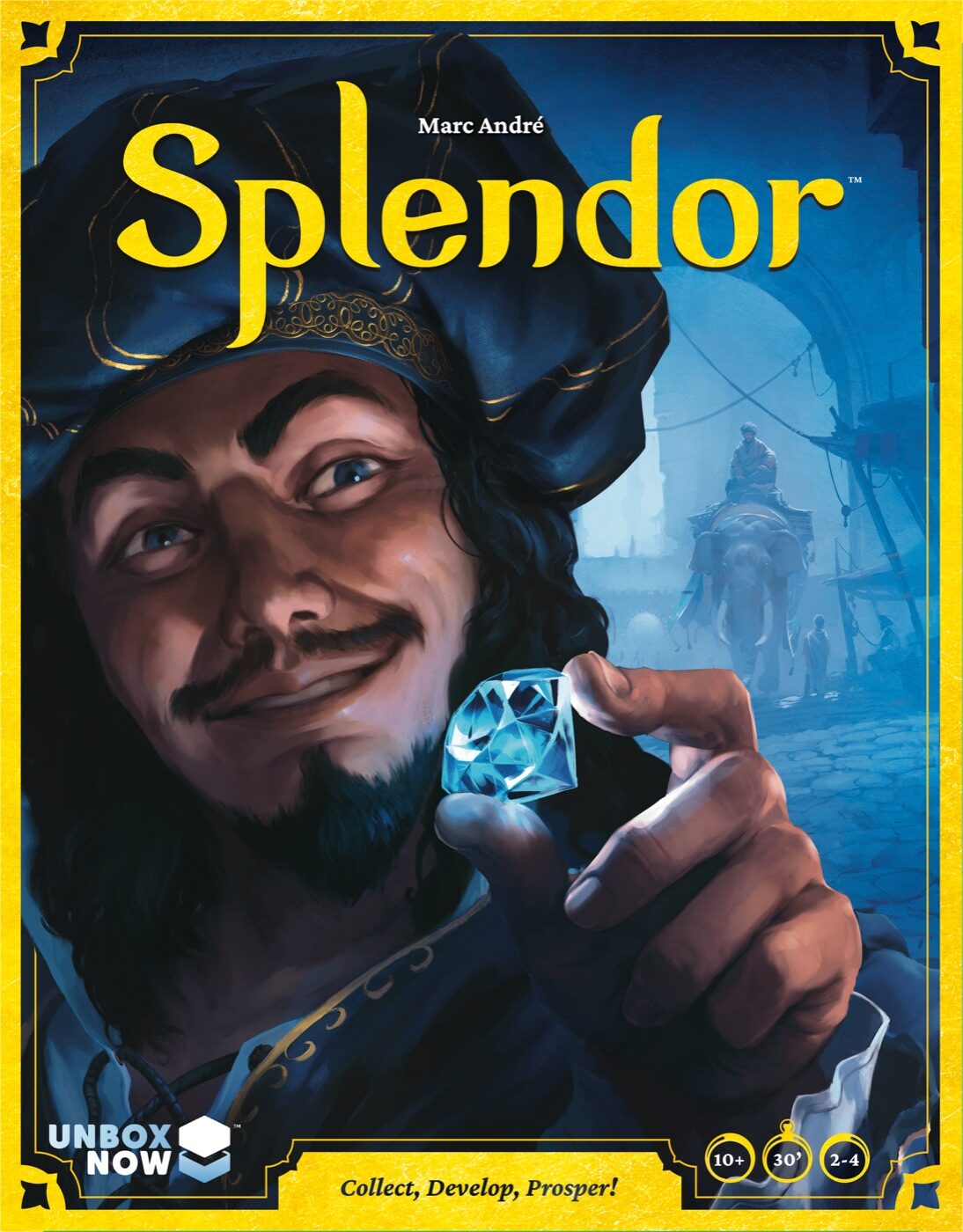
Splendor is engine building distilled to its purest form. You collect gem tokens, buy cards that give you permanent gem discounts, and use those discounts to buy bigger cards. That’s it. The entire game is a snowball.
What makes it tick is the compression. By mid-game, cards that cost five gems are effectively free because your tableau covers the cost. You feel your engine accelerating in real time - each purchase makes the next one cheaper. It’s the compound interest of board games.
Why it works: Zero rules overhead. You can teach Splendor in two minutes and play it in twenty. But there’s a genuine strategic layer underneath - knowing when to grab a noble, when to reserve a card to deny an opponent, and when to pivot your gem colours entirely. It’s survived a decade of competition for good reason.
Best at: 3 players. Tight enough to fight over gems, loose enough to build freely.
2. Century: Spice Road
BGG Weight: 1.80 · 2-5 Players · 30-45 min · BGG Rank #385 · BGG Page

Century: Spice Road often gets called “Splendor but better” - which is unfair to both games, but captures the vibe. You’re trading and upgrading spice cubes through a hand of merchant cards, converting cheap yellow turmeric into precious brown cloves to fulfil point cards.
The engine here is your hand of cards. You start with two basic cards and gradually acquire more powerful converters and producers. The trick is knowing when to rest - picking up your entire discard to reload your hand. Time your rests well and your conversions chain beautifully. Time them badly and you’re watching everyone else score while you’re still upgrading cubes.
Why it works: The hand management adds a rhythm that Splendor lacks. There’s a genuine tempo game underneath the cube conversion, and the card market means every game plays differently. Also, those cubes are gorgeous.
Best at: 3-4 players. At 2 it’s a bit too open; at 5 it can drag slightly.
3. Gizmos
BGG Weight: 2.06 · 2-4 Players · 40-50 min · BGG Rank #413 · BGG Page
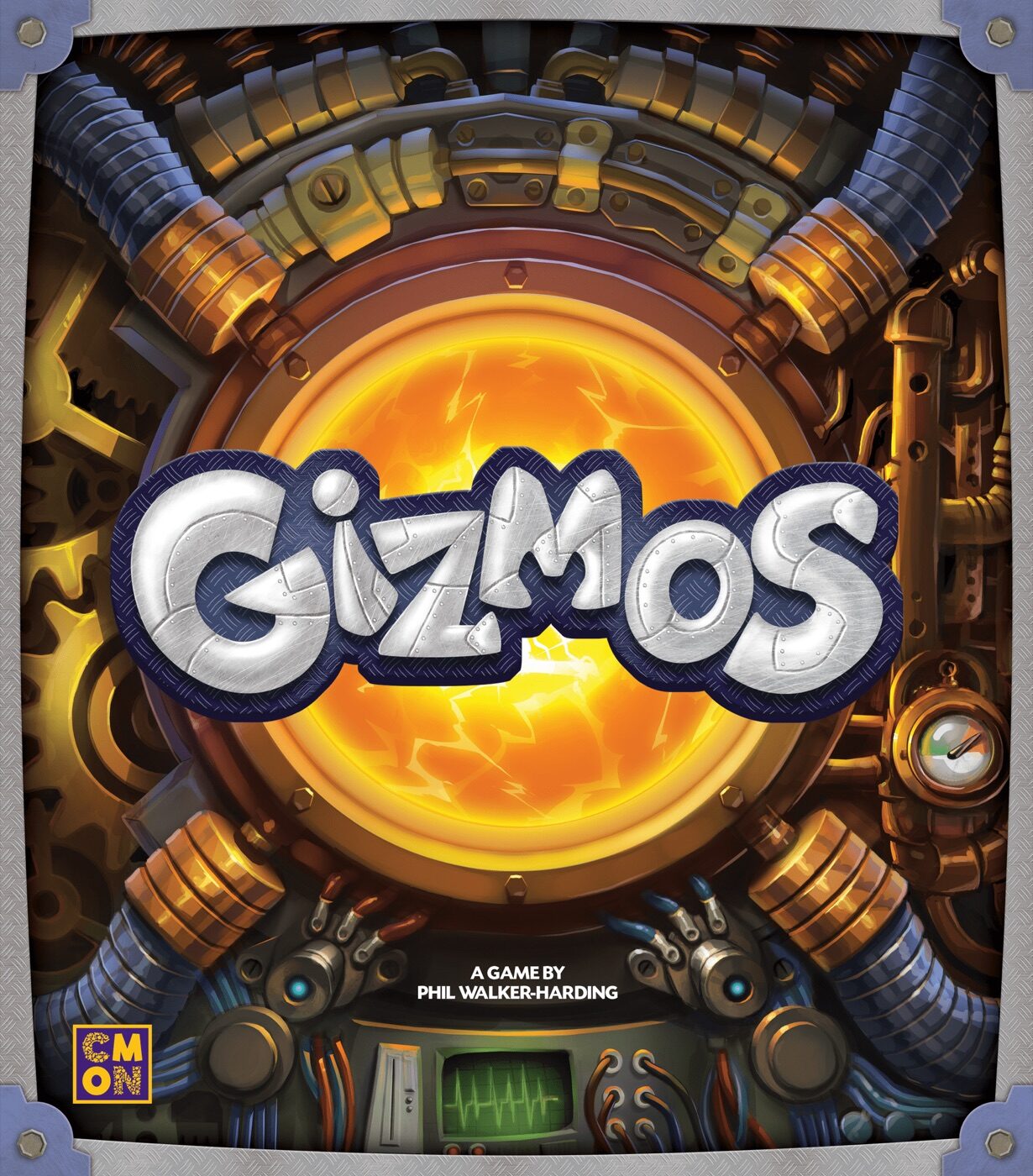
Gizmos is the most literal engine builder on this list. You’re constructing a marble-powered machine - and the marble dispenser on the table makes it feel physical. Each gizmo you build triggers when certain conditions are met: picking a marble, filing a card, building a gizmo. Chain enough triggers together and a single action cascades into five or six free effects.
This is the game where you’ll spend the first 15 minutes quietly building, then someone’s turn suddenly takes two minutes as they trigger a cascade that earns them six marbles, files three cards, and builds two gizmos for free. The table goes silent. Then everyone tries to build something even more absurd.
Why it works: The trigger chains create that “Rube Goldberg machine” satisfaction that’s the platonic ideal of engine building. And the marble dispenser isn’t just a gimmick - randomly drawing marbles from a pool adds genuine tension to resource collection.
Best at: 3-4 players. At 2, there’s less competition for the card row.
4. It’s a Wonderful World
BGG Weight: 2.32 · 1-5 Players · 45 min · BGG Rank #185 · BGG Page

Drafting meets engine building in one of the tightest 45-minute packages you’ll find. Each round, you draft seven cards, decide which to build and which to recycle for resources, then produce in a fixed order: materials → energy → science → gold → exploration. The production order is everything - build a science generator before the science phase and it pays out immediately; build it after and you’ve wasted a round.
The drafting keeps it interactive where many engine builders go solitary. You’re reading what your neighbours need, hate-drafting key cards, and agonising over whether to grab the card that completes your combo or deny the one that completes theirs.
Why it works: The fixed production order creates a puzzle that rewards planning three rounds ahead. And the simultaneous drafting means zero downtime - everyone is engaged every second. Games genuinely finish in 45 minutes, which is rare for something this crunchy.
Best at: 3-4 players for drafting tension. Excellent solo mode too.
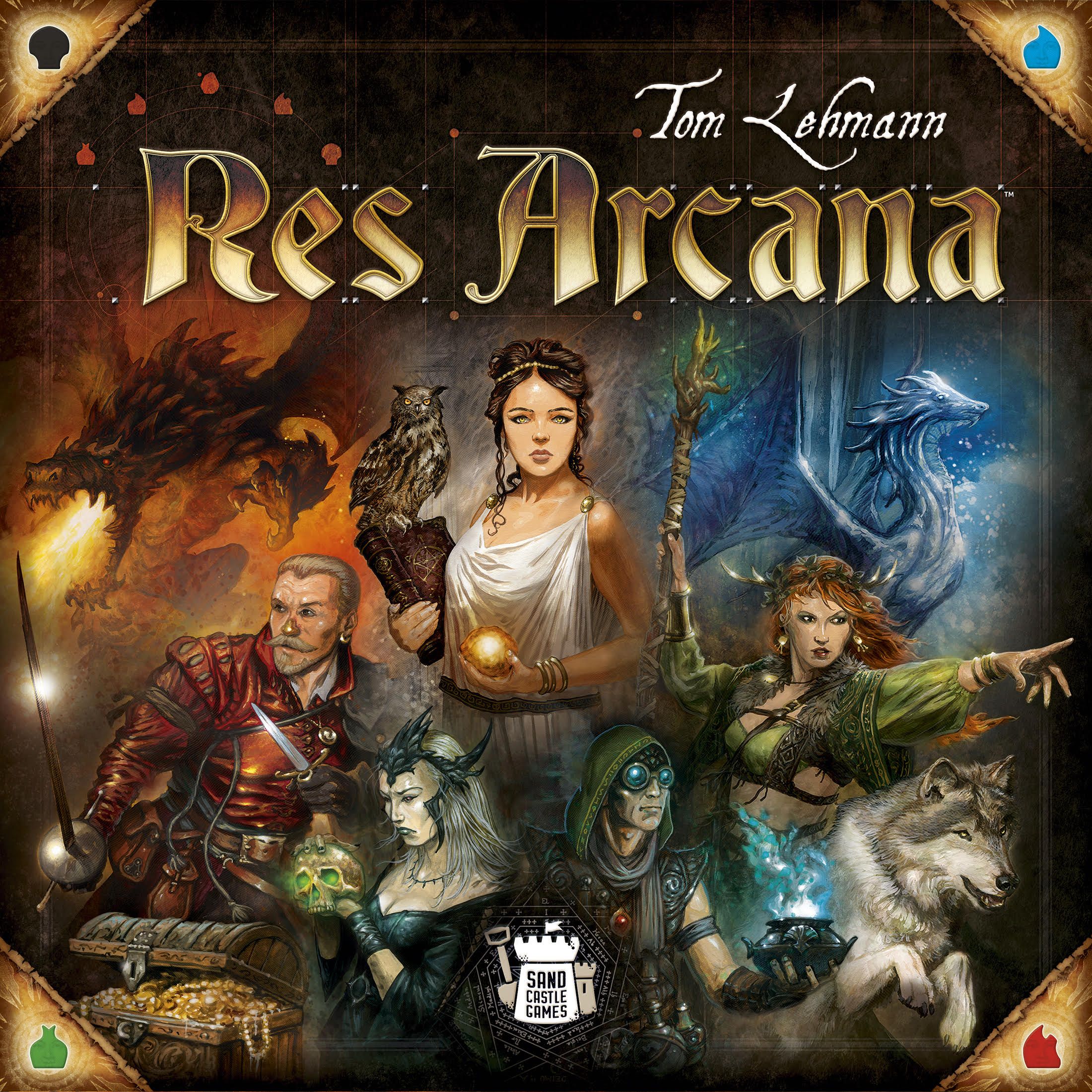
5. Res Arcana
BGG Weight: 2.66 · 2-4 Players · 30-60 min · BGG Rank #184 · BGG Page

Res Arcana is what happens when you take a 2-hour engine builder and compress it into 30 minutes without losing any of the depth. You have a deck of exactly eight artifacts. That’s it. Eight cards, and you need to build an engine that reaches 10 points before anyone else.
The constraint is the genius. Every card in your deck matters. You’re not cycling through a 40-card deck hoping to draw your combo - you know what’s coming, and the puzzle is sequencing your plays to get maximum value from limited resources. Do you spend your gold on a monument for points, or invest it in an artifact that generates more gold? Every decision feels agonising in the best way.
Why it works: The small deck means every game is a tight, compressed puzzle. There’s no filler, no dead draws, no waiting for your engine to “come online.” It’s building from turn one. Tom Lehmann (of Race for the Galaxy fame) designed it, and it shows - this is a masterclass in elegant systems design.
Best at: 2-3 players. At 4 it can feel slightly loose. At 2 it’s a brilliant duel.
6. Race for the Galaxy
BGG Weight: 3.00 · 2-4 Players · 30-60 min · BGG Rank #94 · BGG Page
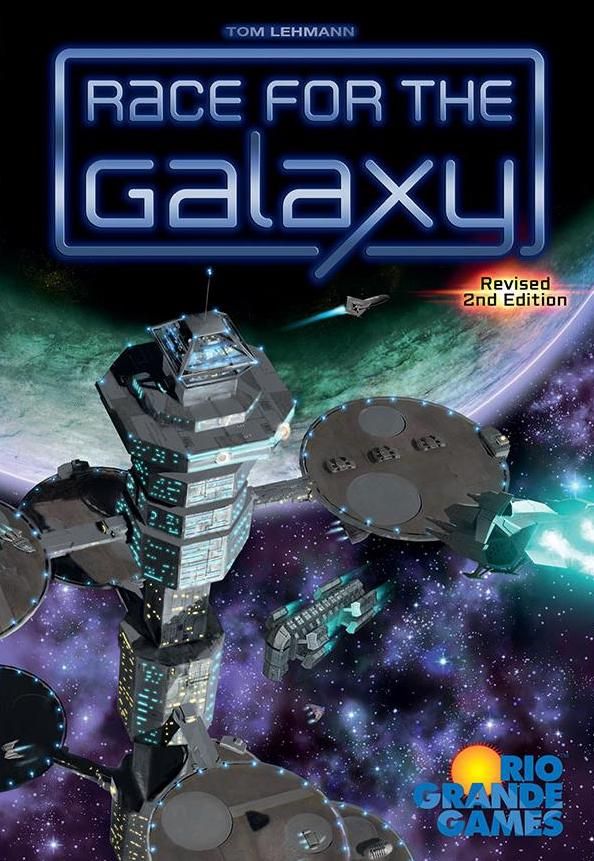
Race for the Galaxy has been the gold standard of card-based engine building since 2007 - and nothing has dethroned it. The iconography will bounce you off on your first play (maybe your second too), but push through and you’ll find one of the most replayable games ever designed.
Each round, you simultaneously select a phase - Explore, Develop, Settle, Consume, or Produce. Only selected phases happen, but everyone gets to participate in them. The interplay between predicting what others will choose and piggybacking off their selections is where the real game lives. Cards are everything - they’re your currency, your planets, your developments, and your victory points.
Why it works: The simultaneous action selection eliminates downtime entirely. A full game takes 30 minutes once everyone knows the icons. The card combos are endlessly varied - military rushes, produce-consume loops, development-heavy strategies, 6-cost development gambits. After hundreds of plays, you’ll still find new lines.
Best at: 2 players. It’s one of the best two-player games ever made. At 3-4, it’s still excellent but slightly less tight.
7. Terraforming Mars
BGG Weight: 3.27 · 1-5 Players · 120 min · BGG Rank #9 · BGG Page

The big one. Terraforming Mars is the maximalist engine builder - 200+ unique project cards, six different resources to manage, a hex map to colonise, and a 2-hour runtime that flies by once your engine ignites. You’re a corporation making Mars habitable, raising the temperature, oxygen, and ocean levels while building an economic empire.
The early game is slow. You’re scraping together credits, playing one modest card per generation, watching your opponents do the same. Then around generation 5 or 6, someone’s engine clicks. Suddenly they’re producing 30 credits and 8 plants per generation, terraforming the planet at an alarming rate. That escalation - from poverty to abundance - is why people play this game hundreds of times.
Why it works: The sheer variety. With 200+ cards, no two games play the same. The drafting variant (highly recommended) adds meaningful decisions before each generation. And the theme actually works - you genuinely feel like you’re building something on Mars, not just optimising numbers. The player cubes are terrible, though. Budget for upgraded components.
Best at: 3 players with drafting. At 2 it’s great, at 4-5 it can run long.
The Engine Builder Spectrum
| Game | Weight | Players | Time | The Engine |
|---|---|---|---|---|
| Splendor | 1.78 | 2-4 | 30 min | Gem discount tableau |
| Century: Spice Road | 1.80 | 2-5 | 30-45 min | Hand of converter cards |
| Gizmos | 2.06 | 2-4 | 40-50 min | Trigger chain cascades |
| It’s a Wonderful World | 2.32 | 1-5 | 45 min | Draft + fixed production order |
| Res Arcana | 2.66 | 2-4 | 30-60 min | 8-card deck puzzle |
| Race for the Galaxy | 3.00 | 2-4 | 30-60 min | Simultaneous role selection + cards-as-everything |
| Terraforming Mars | 3.27 | 1-5 | 120 min | 200+ project cards + resource economy |
Whether you want a 20-minute gem puzzle or a 2-hour Martian epic, there’s an engine builder here that’ll scratch the itch. And yes - you should still play Wingspan too. It’s great. But these seven prove the mechanic has a lot more to offer than birds.
All stats from BoardGameGeek. Weights and ratings current as of May 2026.