Working together against the game instead of against each other sounds simple. In practice, co-op games are one of the hardest design categories to get right - they live or die on whether the non-player systems feel genuinely threatening, whether individual contributions feel meaningful, and whether the whole thing collapses into one player quarterbacking everyone else into submission.
The best cooperative board games avoid all of that. This list covers seven games that do it well, with verified BGG data for every entry and a clear pointer to who each one is actually for. No filler, no padding - just the games worth buying.
Quick Picks
| Game | BGG Weight | BGG Rating | BGG Rank | Players | Time |
|---|---|---|---|---|---|
| Pandemic | 2.39 | 7.51 | #174 | 2-4 | 45 min |
| Mysterium | 1.89 | 7.19 | #459 | 2-7 | 42 min |
| Pandemic Legacy: Season 1 | 2.83 | 8.50 | #3 | 2-4 | 60 min |
| Robinson Crusoe | 3.83 | 7.72 | #120 | 1-4 | 120 min |
| Sleeping Gods | 3.26 | 8.08 | #75 | 1-4 | Campaign |
| Spirit Island | 4.08 | 8.34 | #11 | 1-4 | 120 min |
| Under Falling Skies | 2.39 | 7.59 | #268 | 1 | 40 min |
1. Pandemic - The Gateway Every Group Should Own
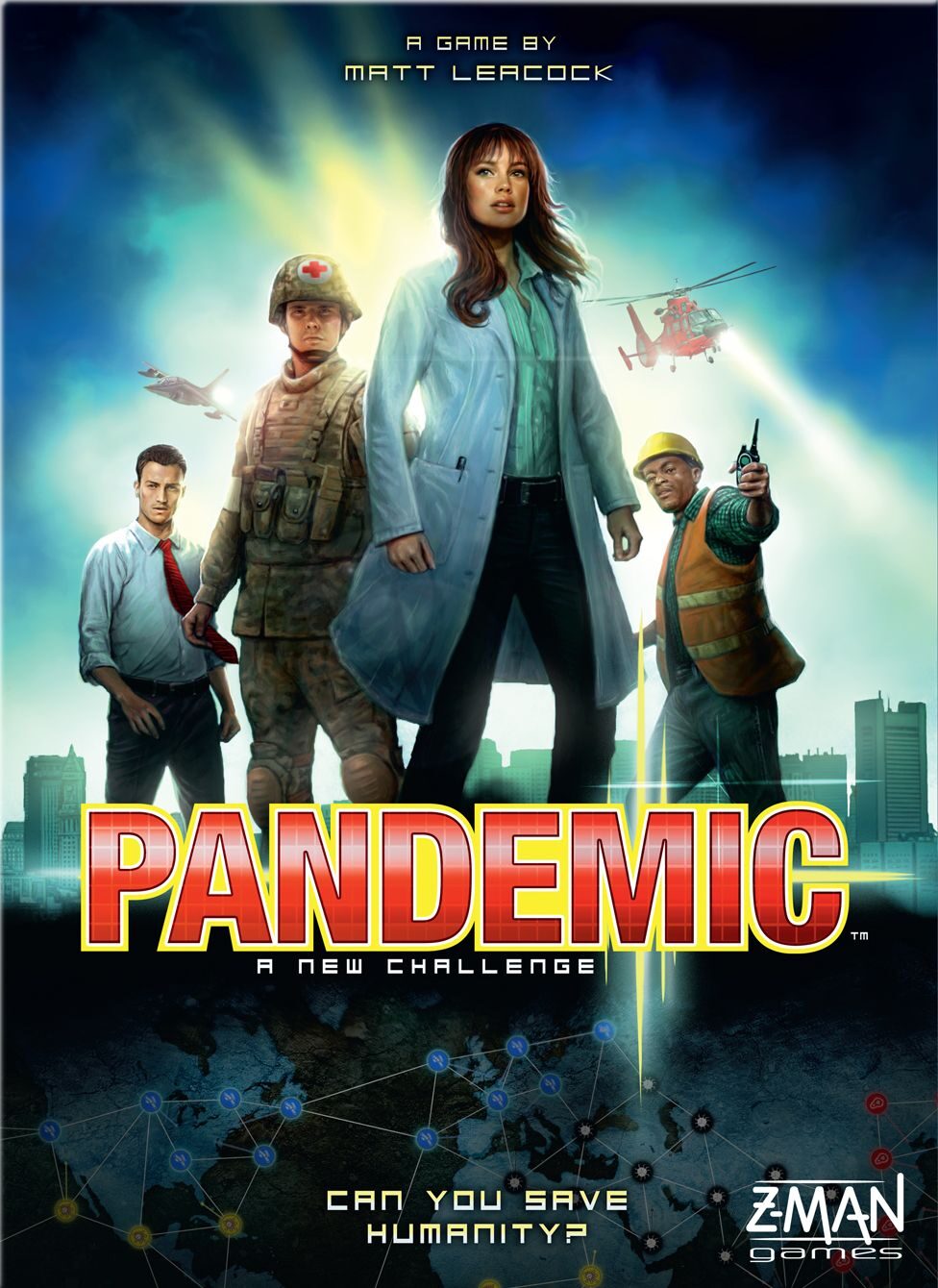
Pandemic by Z-Man Games. Image via BoardGameGeek.
BGG Rating: 7.51 | Weight: 2.39 | Rank: #174 | Players: 2-4 | Time: 45 min
Pandemic has been the gateway to co-op gaming for nearly two decades, and it earned that position by being genuinely well-designed rather than just popular. The premise is clean: four diseases are spreading across the globe, and your team of specialists has to cure them before outbreaks spiral out of control. Players have different roles (Medic, Scientist, Dispatcher, etc.) that change what they can do on their turn, creating real interdependency without the rules overhead getting heavy.
What makes Pandemic work as a gateway is its transparency. The threat is visible on the board. The infection deck shows you exactly what’s coming. The tension is earned - outbreaks cascade in a way that feels logical, not arbitrary, and losing means you can point to the moment things went wrong. That clarity makes it easy to teach and easy to replay with different groups.
At BGG weight 2.39, it sits at the lighter end of the mid-weight range. Experienced gamers may find it straightforward, but for groups that are new to co-ops or to anything beyond Monopoly, it hits exactly the right level. The 45-minute playtime means you can squeeze in two games in a session if the first one ends early (and it might).
Best for: Groups new to co-ops, family game nights with older kids (10+), anyone who wants a tense 45 minutes without a rulebook lecture first.
2. Mysterium - Co-op For Groups Who Hate Co-ops
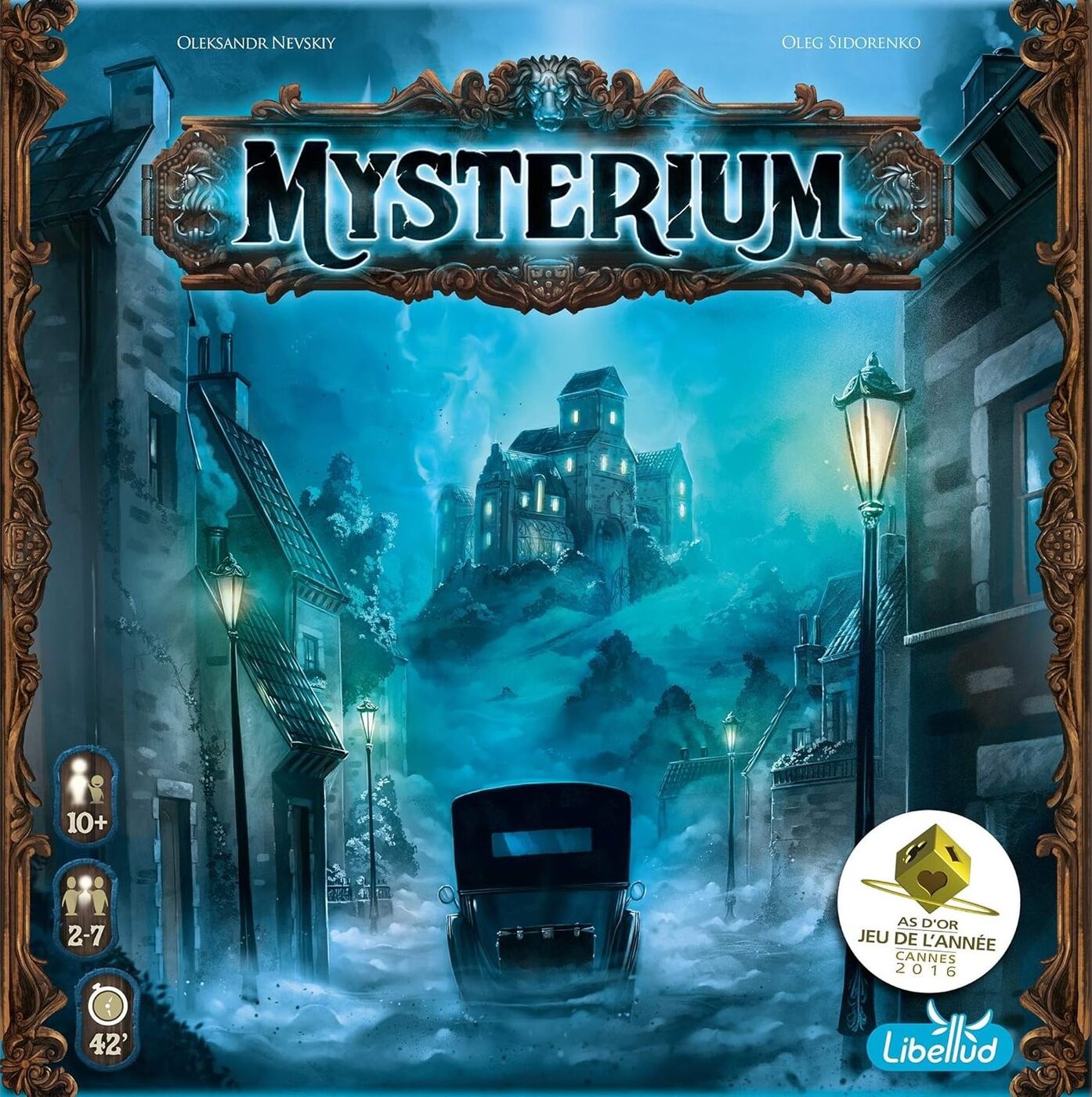
Mysterium by Libellud. Image via BoardGameGeek.
BGG Rating: 7.19 | Weight: 1.89 | Rank: #459 | Players: 2-7 | Time: 42 min
Mysterium is the sleeper pick on this list. It ranks lower than some entries here, but for a specific type of group - the ones who think they don’t like board games - it often outperforms everything else.
The setup: one player is a ghost trying to communicate who killed them, using only abstract dreamlike vision cards (no words, just images). Everyone else plays psychics trying to decode the ghost’s messages and identify the correct suspect, location, and weapon. It’s part Dixit, part Clue, entirely its own thing.
What makes it work as a co-op is that the ghost player can’t speak, can’t point, can’t confirm or deny. The psychics have to argue among themselves about what they think the ghost means. This creates a fascinating social dynamic - everyone’s cooperating, but interpretation is individual, and watching someone misread a card you thought was obvious is equal parts funny and agonising.
The 1.89 weight means the rules explanation takes about five minutes. It plays up to 7 players, making it one of the only co-ops that genuinely scales to larger groups without becoming unmanageable. And the gothic artwork is striking enough to pull in people who’d never normally touch a board game.
Best for: Large groups (5-7), people who aren’t “board gamers”, party nights where you need something with atmosphere.
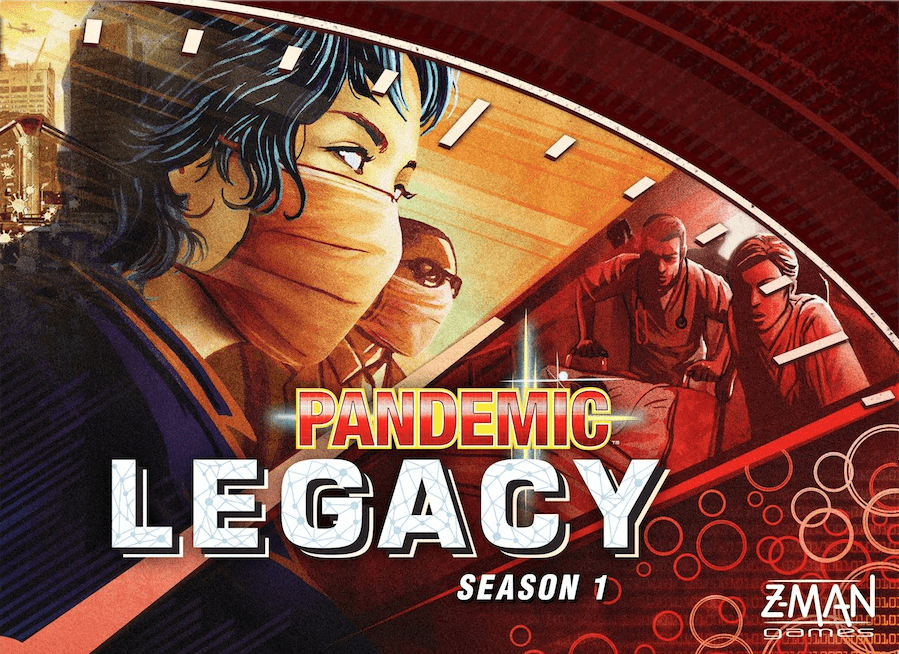
3. Pandemic Legacy: Season 1 - The One That Changed Everything

Pandemic Legacy: Season 1 by Z-Man Games. Image via BoardGameGeek.
BGG Rating: 8.50 | Weight: 2.83 | Rank: #3 | Players: 2-4 | Time: 60 min/session
Pandemic Legacy: Season 1 sits at number three on BGG’s all-time list, and that rating comes from something specific: the permanent consequences mechanic changes how you experience the base game entirely.
You play through twelve months of a disease crisis that evolves. Cities get stickered when they fall. Characters get scars. New rules unlock mid-campaign. Things you do in January affect what the board looks like in June. The envelope system parcels out surprises as you progress - you’re explicitly told not to open certain components until you’ve reached specific story milestones.
The weight at 2.83 is only slightly higher than the base game, because the additional rules complexity is introduced gradually. By the time you’re playing month six, you have several new rule layers in play - but you’ve learned them one at a time, so it never feels overwhelming.
The elephant in the room: this is a one-playthrough game. The campaign takes 12-20 sessions across 2-4 players, and once it’s done, it’s done. The box is a consumable. That’s a legitimate concern - but it’s also why the ratings are so high. The people scoring it 9+ aren’t rating a game they can replay indefinitely; they’re rating an experience they’ll remember. For the right group, it’s worth every penny.
Best for: A consistent group of 2-4 who can commit to a multi-session campaign. Ideal for couples or small friend groups who want something with stakes.
4. Robinson Crusoe: Adventures on the Cursed Island - The One That Hits Back
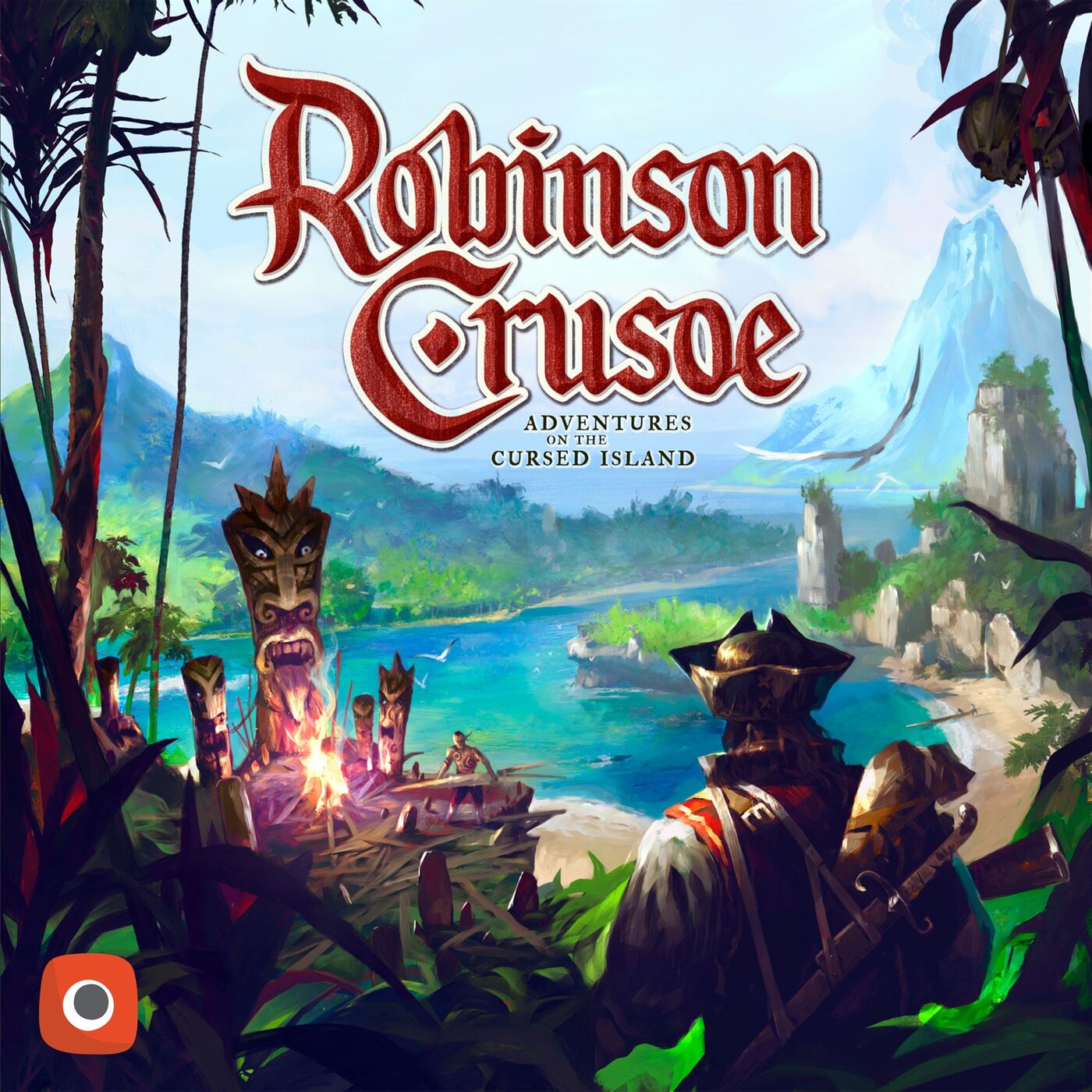
Robinson Crusoe: Adventures on the Cursed Island by Portal Games. Image via BoardGameGeek.
BGG Rating: 7.72 | Weight: 3.83 | Rank: #120 | Players: 1-4 | Time: 120 min
Robinson Crusoe is the game that will destroy your group the first time you play it, and keep you coming back anyway.
The scenario system is the foundation: each scenario has a specific victory condition and introduces different island rules. Scenario 1 (Castaways) has you simply surviving and building a signal fire before a rescue ship arrives. Later scenarios get considerably weirder. The game comes with six scenarios, and expansion content adds more.
At BGG weight 3.83, this is a heavy game with a brutal card draw system. Event cards fire every round - many of them with immediate effects that can destroy what you just built. The wound system means characters can get seriously impaired. Weather changes based on the season. Resources are scarce. Every turn involves a painful decision about what to prioritise when you can’t do everything.
The thing is: Robinson Crusoe’s difficulty is calibrated rather than arbitrary. The island doesn’t feel unfair, it feels merciless. There’s a difference. When things go wrong - and they will - you can usually trace the failure to a specific decision you made two rounds earlier. That teachability is what keeps the game on shelves despite a steep initial learning curve.
Best for: Groups who want a real challenge, fans of survival themes, anyone who thought Pandemic was too easy. Not for groups who hate losing.
5. Sleeping Gods - The Best Narrative Co-op Ever Made
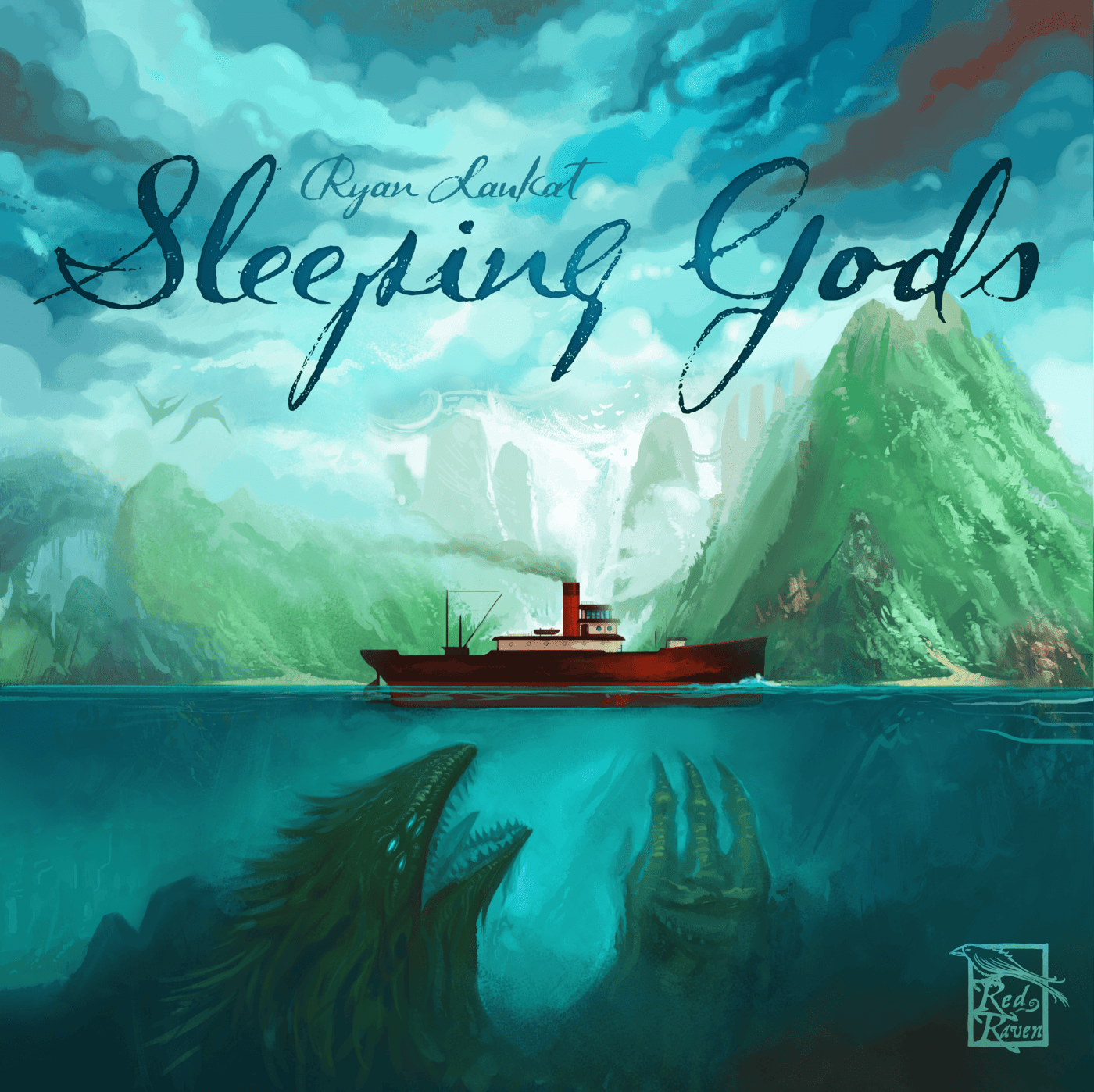
Sleeping Gods by Red Raven Games. Image via BoardGameGeek.
BGG Rating: 8.08 | Weight: 3.26 | Rank: #75 | Players: 1-4 | Time: Campaign (save between sessions)
Sleeping Gods is an atlas-based campaign game about a steamship crew stranded in a mysterious world. You explore a 38-page atlas, encounter events, follow story threads, and try to collect totems to find a way home. The game uses a storybook that gives each location on the atlas a narrative entry - roughly 400 entries across 250 pages of story content.
The weight at 3.26 sits between Robinson Crusoe and Pandemic Legacy, which is roughly right for the experience: more complex than a mid-weight euro, but the complexity is mostly in the exploration and resource management rather than intricate rule interactions. The hardest part of Sleeping Gods is managing your crew’s health, your ship’s condition, and your route through the atlas simultaneously - all while running low on supplies.
The standout feature is that the game saves between sessions. You play a session, write down your state (location, cargo, crew health, discovered locations), and pick it up next time. The campaign typically runs 10-20 hours total, but you never need to play for more than 90 minutes in a sitting. That format makes it genuinely compatible with real life.
The rating (8.08) reflects something specific about what players find here: the narrative surprises. Encounters don’t telegraph what they’re going to do. Some story threads take multiple sessions to resolve. Some decisions you make early come back in unexpected ways late in the campaign. The world feels genuinely inhabited.
Best for: Groups who want a narrative experience above a competitive one, fans of exploration games, couples or small groups who want something they can return to over weeks.
6. Spirit Island - The Best Heavy Co-op, Full Stop
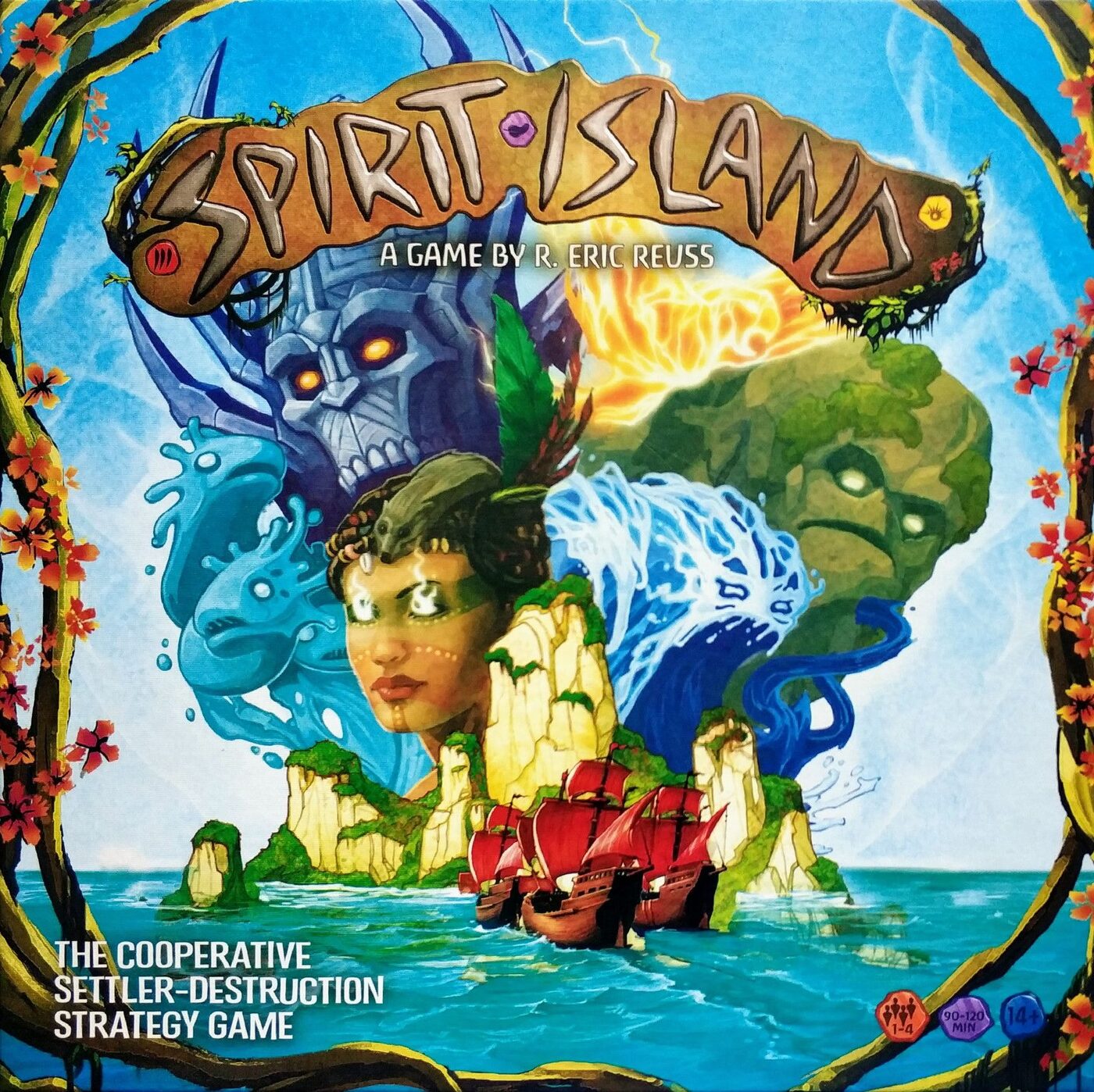
Spirit Island by Greater Than Games. Image via BoardGameGeek.
BGG Rating: 8.34 | Weight: 4.08 | Rank: #11 | Players: 1-4 | Time: 120 min
Spirit Island inverts the colonial explorer trope: you play as spirits defending an island from invaders, and the invaders are the non-player system that spreads, builds, and ravages the land each round if you don’t stop them. It’s the most mechanically ambitious co-op game on this list by a significant margin.
The weight of 4.08 is earned. Each spirit plays completely differently - Lightning’s Swift Strike is a straightforward power-based attacker; Bringer of Dreams and Nightmares manipulates the fear track; Ocean’s Hungry Grasp literally drowns invaders by pushing them off the board. The asymmetry is deep enough that each spirit essentially teaches you a different co-op game. This is the replay engine that justifies the investment.
The invader system is the real design achievement. Invaders explore, build, and ravage in sequence based on cards drawn from a shuffled deck. The system has memory - cards you see now tell you what’s coming in future rounds. Experienced players learn to read the deck and prioritise accordingly. This is the quality that separates Spirit Island from lighter co-ops: you’re rewarded for thinking several rounds ahead.
At 120 minutes, it’s a commitment. Setup takes another 15-20 minutes. This is a game for groups who want to sit down for an evening and play one game properly. Not a filler, not a “let’s try it quick” - a full experience.
Best for: Experienced players who’ve exhausted lighter co-ops, groups who want genuine asymmetry and replayability, anyone who wants the most sophisticated co-op on the market.
7. Under Falling Skies - The Solo Game That Earns Its Place
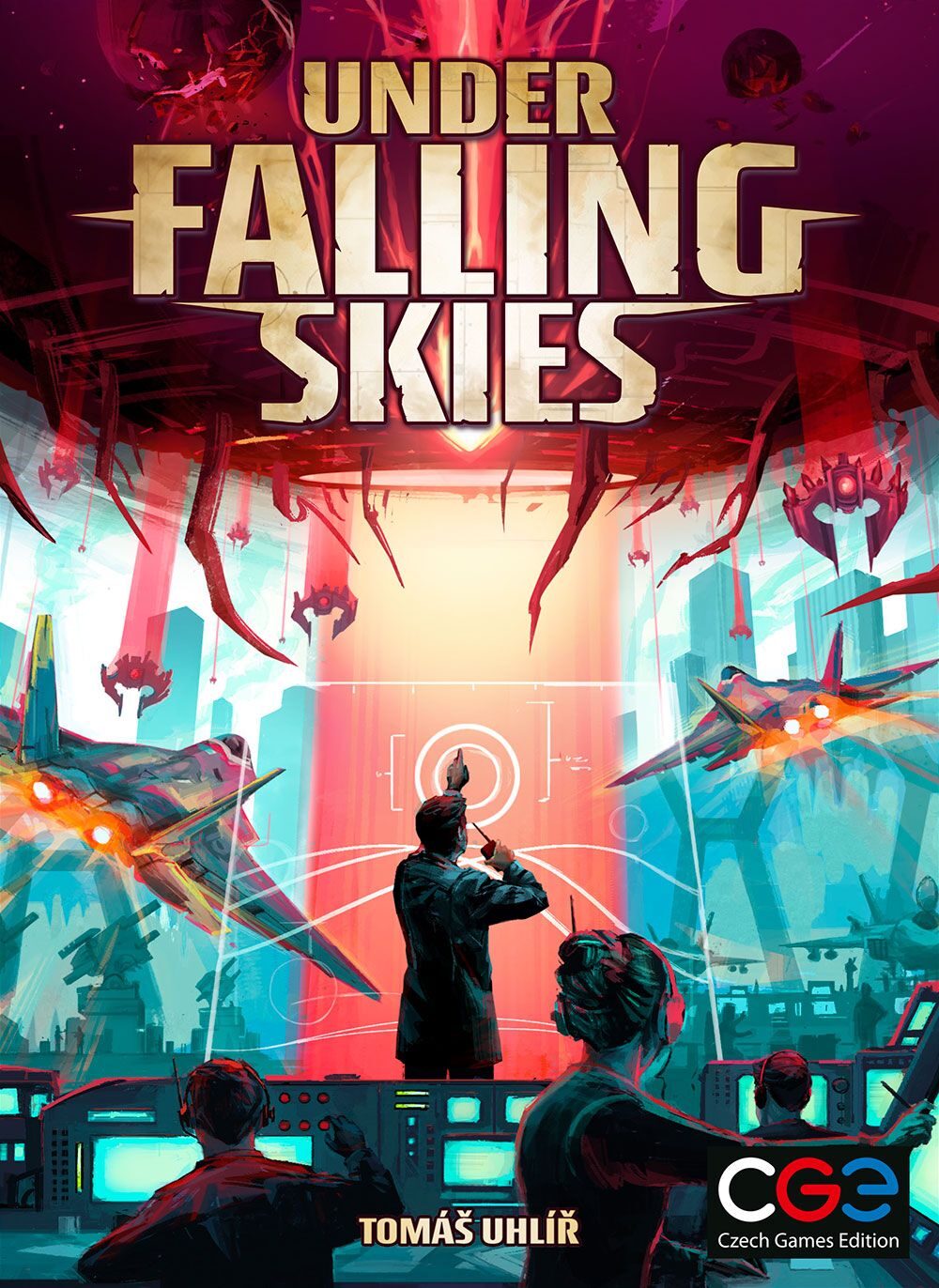
Under Falling Skies by Czech Games Edition. Image via BoardGameGeek.
BGG Rating: 7.59 | Weight: 2.39 | Rank: #268 | Players: 1 (solo only) | Time: 40 min
Under Falling Skies is the odd one out - it plays only one player - but it belongs on this list because it’s the clearest answer to a specific question: what’s the best co-op game I can play alone?
The premise is an alien invasion. You’re defending a bunker city from descending alien ships using dice placement. Each round you roll a set of dice and assign them to zones - but the alien ship in each column descends by the number of dice you place in that column. Assign too many dice to one area and the ships get through faster. The tension is immediate and mechanical.
What distinguishes Under Falling Skies from similar dice placers is the campaign system: you play through a series of missions across different city boards, each with different room layouts and unique rules. The base game comes with five cities; completing them all takes around 15-20 hours. Difficulty scales cleanly via a threat level system.
At weight 2.39 (identical to base Pandemic), it’s accessible enough for someone new to solo gaming. At 40 minutes a session, it fits into a lunch break. The 7.59 BGG rating understates how satisfying it is - the dice placement mechanic creates genuine tension on almost every turn because the solution is rarely obvious.
Best for: Solo players, anyone whose gaming group can’t meet regularly, a clean puzzle experience that doesn’t outstay its welcome.
How to Pick
You want to learn co-ops → Start with Pandemic. It teaches the genre in 45 minutes without overstaying its welcome.
You need something for 5+ people → Mysterium. Nothing else on this list handles that player count gracefully.
Your group wants a shared memory → Pandemic Legacy: Season 1. It’s the most emotionally invested experience in tabletop gaming.
You want a real challenge → Robinson Crusoe. Accept that you will lose your first three games and learn from them.
You want a story that spans weeks → Sleeping Gods. Block out Sunday evenings and enjoy it slowly.
You want the ceiling of the genre → Spirit Island. Nothing else approaches its depth.
You play alone → Under Falling Skies for something quick and sharp; Spirit Island’s solo mode for the full experience.
Final Thought
The co-op genre has never been in better shape. The games above represent something like a decade of design iteration - each one solving a specific problem that earlier entries didn’t handle. Whether you’re pulling an experienced group through Spirit Island or watching new players negotiate over Pandemic’s last actions, the genre delivers something competitive games often don’t: the memory of what your group did together.
Pick the right entry point for your group. Play it more than once. Then go deeper.
All BGG data verified September 2026. Ratings and ranks subject to change.