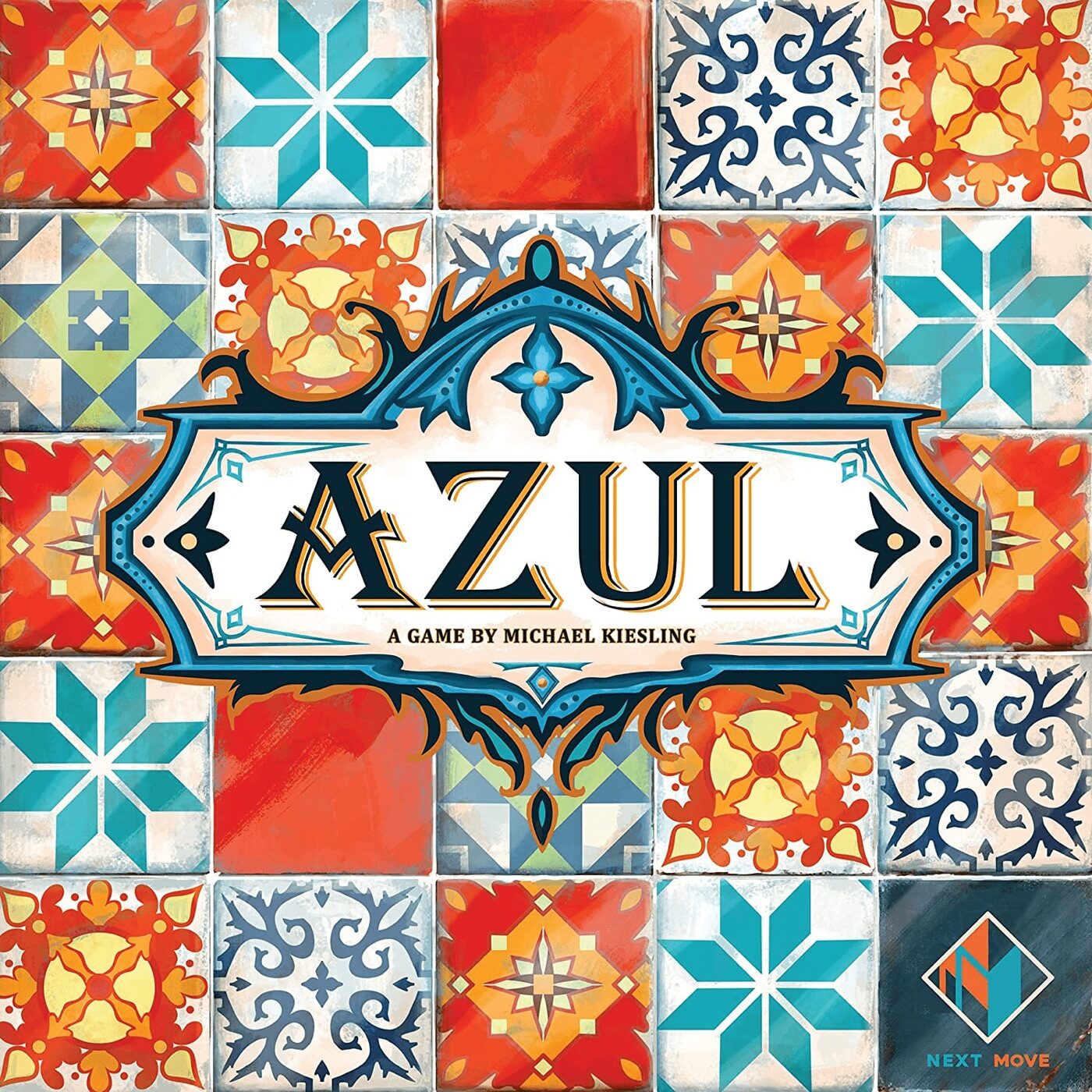
The year was 2017, and the board game hobby got two gorgeous puzzle games within months of each other. Azul gave us Portuguese tiles. Sagrada gave us stained glass dice. Both are approachable, beautiful, and deeply satisfying to play. Both sit comfortably in that magical sweet spot between gateway game and serious puzzler.
They get compared constantly - and for good reason. If you’re looking to buy one abstract-ish puzzle game for your collection, this is probably the decision you’re wrestling with. Let’s break it down.
The Basics
| Azul | Sagrada | |
|---|---|---|
| Designer | Michael Kiesling | Adrian Adamescu, Daryl Andrews |
| Year | 2017 | 2017 |
| Players | 2-4 | 1-4 |
| Play Time | 30-45 min | 30-45 min |
| BGG Rating | 7.72 | 7.47 |
| BGG Weight | 1.77 | 1.92 |
| BGG Rank | #98 | #224 |
Two games born the same year, sharing a time slot, player count, and general vibe - but with very different DNA under the hood.
How They Play
Azul

Azul is tile drafting at its most elegant. You pick tiles from shared factory displays and add them to pattern lines on your personal board. Complete a line and the tile slides across to your wall, scoring points based on adjacency. Leftover tiles you couldn’t place? Those cost you points.
The genius is in the drafting. Every tile you take changes what’s available for everyone else. Take all the blue tiles from a factory and the leftovers slide to the centre - suddenly your opponent has a pile of exactly what they need. Or exactly what they can’t use.
There’s a nastiness to Azul that sneaks up on you. In later rounds, your wall fills up and your options narrow. A well-timed draft can stick someone with tiles they literally cannot place, costing them points. It’s one of the few gateway games where you can make a genuinely mean play without anyone accusing you of being a monster.
Sagrada
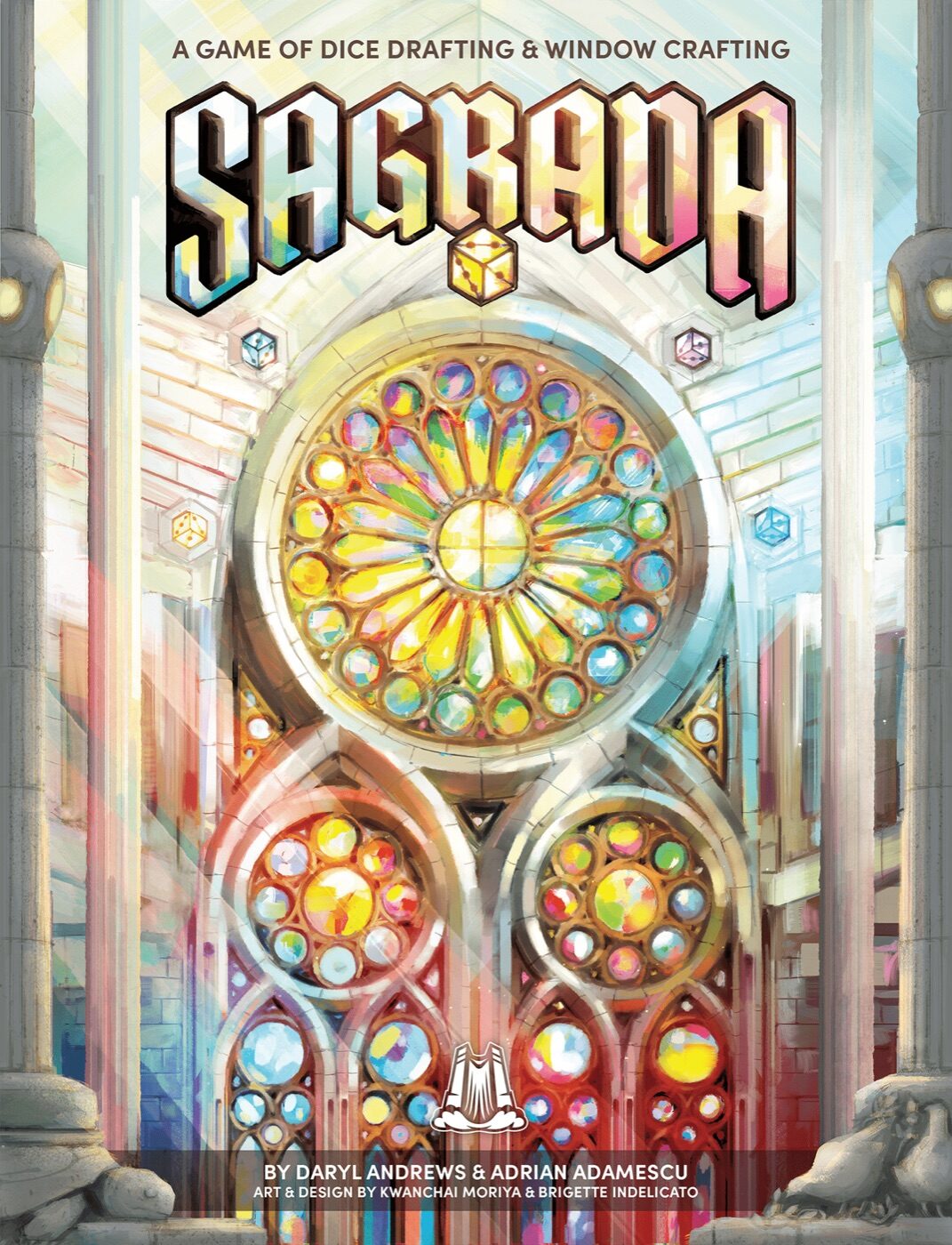
Sagrada is dice drafting. Each round, dice are rolled and placed in a shared pool. You draft one die and slot it into your personal stained glass window - a 4×5 grid with colour and number restrictions. Adjacent dice can’t share a colour or value, and your window card adds even more constraints.
It’s a spatial puzzle first and a drafting game second. Where Azul’s tension is in what you take from others, Sagrada’s tension is in whether this specific die fits anywhere on your board at all. You’re constantly scanning your grid, trying to figure out if that purple 3 can legally go in the one spot that won’t block you three turns from now.
Tool cards add a layer of flexibility - spend favour tokens to break rules, re-roll dice, or move placed dice. They’re the pressure valve that keeps the puzzle from becoming impossible.
Where Azul Wins
Tactile experience. Azul’s chunky Bakelite-style tiles are some of the best components in board gaming. They have weight, they clack satisfyingly when you pick them up, and they look gorgeous arranged on the board. Sagrada’s translucent dice are pretty, but they don’t match the premium feel.
Player interaction. Azul is a knife fight in a phone booth. Every tile you take directly affects what’s available. Hate-drafting - taking tiles specifically to hurt an opponent - is a viable and often necessary strategy. Sagrada has some of this (you’re drafting from the same pool), but the interaction is softer. You’re mostly focused on your own puzzle.
Accessibility. Despite being slightly lighter by BGG weight (1.77 vs 1.92), the real gap is in teaching. Azul’s rules fit on a single sheet. “Take tiles, fill rows, score adjacency, don’t waste tiles.” Most people are playing competently by round two. Sagrada’s placement restrictions - no adjacent matching colour, no adjacent matching number, plus the window constraints, plus tool cards - take a full game to click.
Two-player quality. Azul shines at two. The drafting is razor-sharp when you can track exactly what your opponent needs. Sagrada at two works fine but loses some of the chaos that makes the dice pool interesting.
Where Sagrada Wins
Solo mode. Sagrada comes with a solo mode in the box. Azul doesn’t. If you ever play alone, that’s a significant edge. The solo puzzle is genuinely good too - tight, brain-burning, and satisfying to beat.
Variable setup. Every game of Sagrada starts differently. You pick from two window cards (four sides total), each with unique constraints that change your strategy entirely. Tool cards are randomised too, so the available options shift every session. Azul’s base game is the same setup every time - you need the expansion (Summer Pavilion or the variant side of the board) for real variety.
Theme. Yes, both are abstract games, and no, the theme doesn’t affect gameplay. But Sagrada’s stained glass window conceit is beautiful. Building a window die by die feels more like creating something than filling in a grid. When your window is complete and the colours line up, it looks genuinely gorgeous. Azul’s Portuguese tile motif is pretty but doesn’t land with the same “I made this” satisfaction.
Dice vs tiles. This is pure preference, but dice add randomness that some players love. Each round in Sagrada starts with a fresh roll - you can plan, but you can’t fully predict. Azul’s information is (almost) fully open, which means better players win more consistently. If you want a game where everyone has a shot, Sagrada’s dice inject just enough chaos.
Scalability. Sagrada handles four players better than Azul does. With four in Azul, the factory count increases and individual turns have less impact - the game loosens up in a way that dilutes the tension. Sagrada’s dice pool scales more gracefully.
The Vibe Check
Azul feels like a competitive sport. You’re reading your opponent, timing your picks, sometimes going for the throat. Silence falls during tense rounds. People lean forward. The gap between a good player and a new player is real.
Sagrada feels like parallel crafting with occasional “oh no, you took my die” moments. It’s warmer, more forgiving, more collaborative in spirit even though you’re competing. People chat while they play. The gap between experienced and new is smaller.
Neither vibe is better. But they’re meaningfully different.
Who Should Buy Which?
Buy Azul if:
- You play mostly at 2 players
- You want direct interaction and tactical meanness
- Premium component quality matters to you
- You prefer skill-dominant games with low randomness
- You want the easiest possible teach for game nights
Buy Sagrada if:
- You ever play solo
- You want more variety in setup and replayability
- You prefer a gentler, less confrontational experience
- You enjoy spatial puzzles more than drafting wars
- You play regularly at 3-4 players
Buy both if: You have the shelf space. They’re different enough to coexist, and at their price points (both usually under £30), there’s no reason to agonise. They scratch different itches despite the surface similarity.
The Verdict
If forced to pick one for a desert island shelf - Azul. The component quality is unmatched, the interaction is sharper, and the elegance of its design means it never gets old. It’s the better game.
But Sagrada is the better experience for mixed groups. Its solo mode, variable setup, and forgiving nature make it the more versatile box. If you host game nights with rotating guests who aren’t all hardcore gamers, Sagrada will get more table time.
Both are modern classics. Both cost less than a decent pizza dinner. The real losing move is buying neither.
Azul and Sagrada are available at most board game retailers. For more head-to-head comparisons, check out our Versus archive.