Deep dives, head-to-head comparisons, crowdfunding watch, and the trends shaping tabletop gaming in 2026.
Browse Deep Dives · Comparisons · Crowdfunding · What to Play?
Deep dives, head-to-head comparisons, crowdfunding watch, and the trends shaping tabletop gaming in 2026.
Browse Deep Dives · Comparisons · Crowdfunding · What to Play?
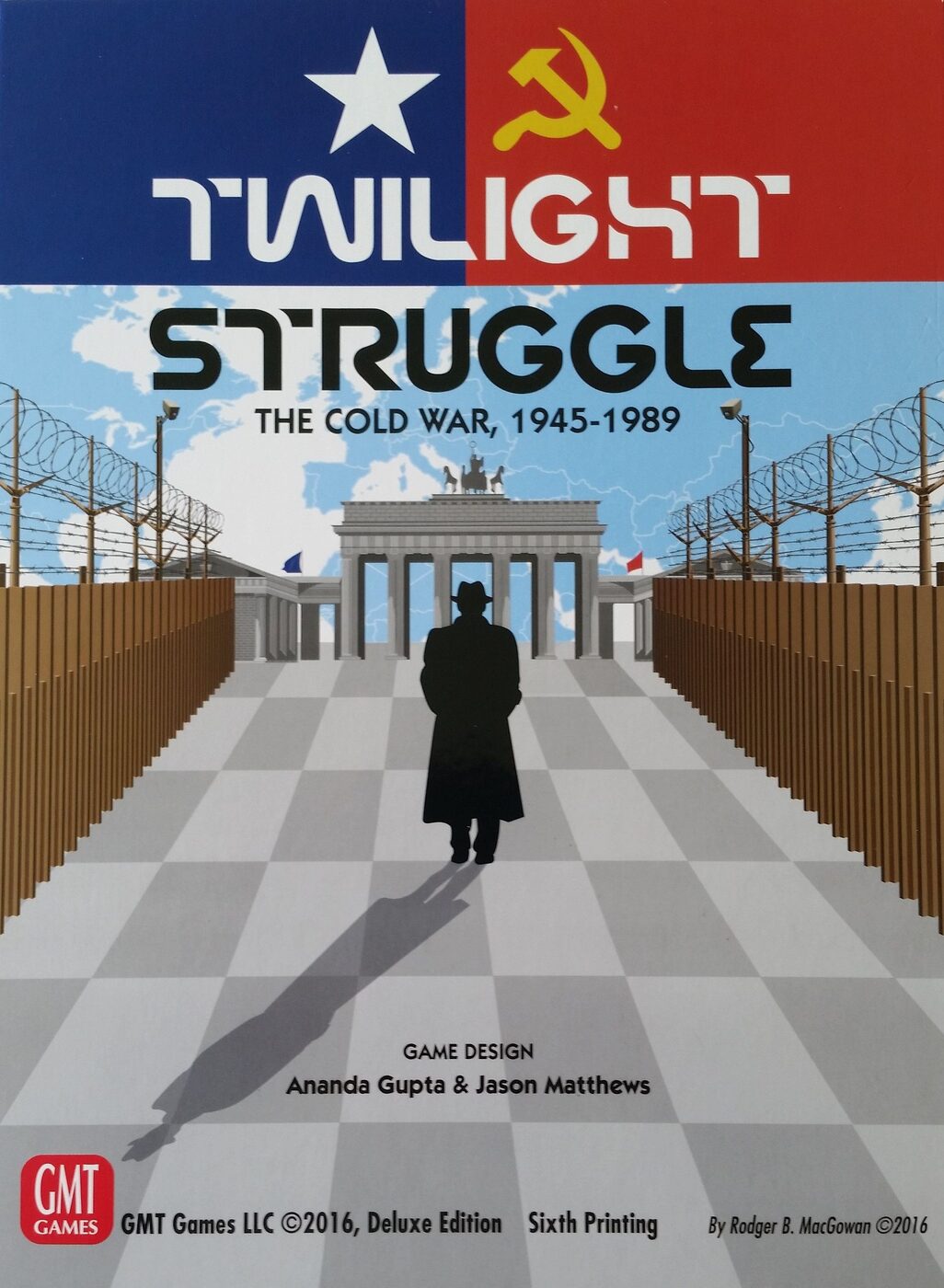
There is a specific kind of board game reverence reserved for Twilight Struggle. Ask a serious hobbyist which games changed how they think about design, and it almost always comes up. Ask them when they last played it, and the answer is usually a long pause followed by “a few years ago.” That gap between reputation and table presence is worth examining. Twilight Struggle was published in 2005 by GMT Games. It sat at the top of the BGG rankings for the better part of six years - from around 2010 to 2016, it was literally the highest-rated board game on the planet. In 2026 it ranks #16 with an 8.22/10 from 52,429 ratings. That is not a game people have forgotten. That is a game people still respect enormously, just play slightly less often. ...
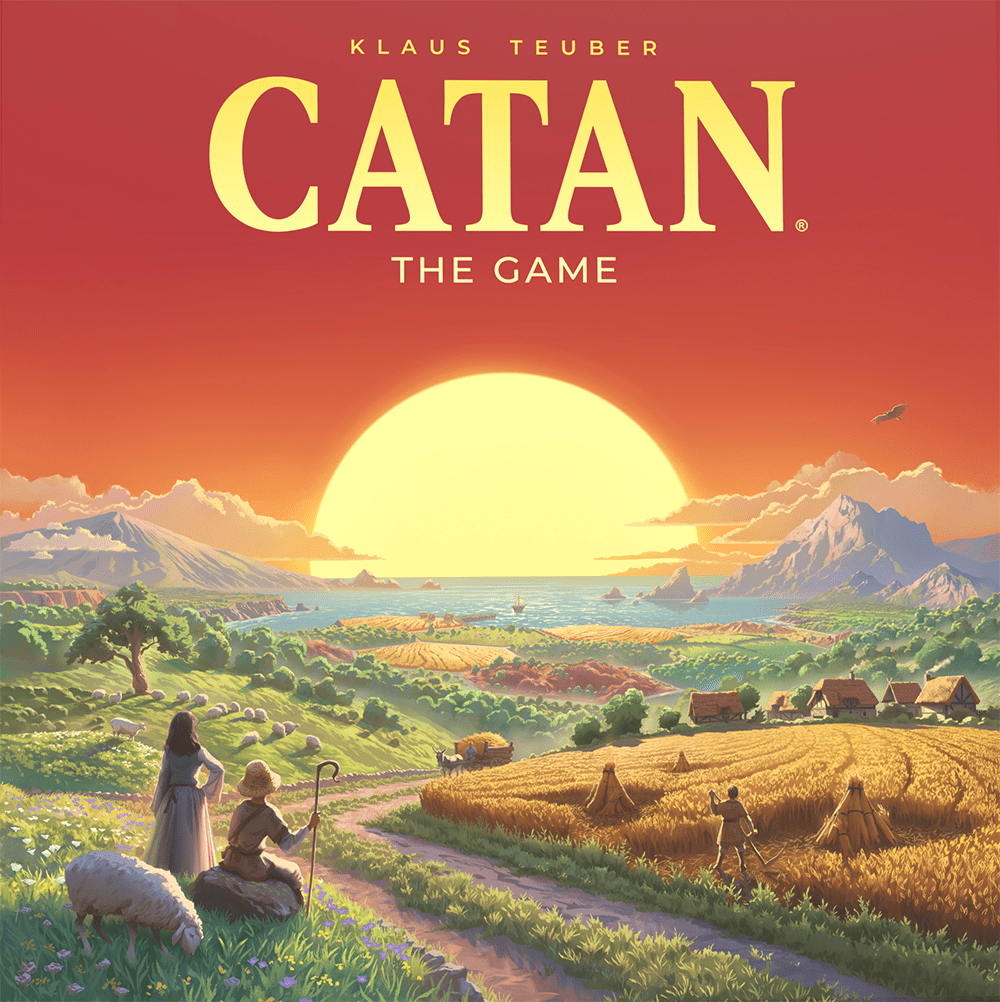
Catan - BGG #626 · Rating: 7.09 · Weight: 2.28/5 · Players: 3-4 · Time: 60-120 min Catan is the board game that opened the door for millions of people. It proved that games could be about building something, not just eliminating opponents - and that a Friday night around a table could be genuinely competitive without being hostile. For that alone, it deserves its legendary status. But spend enough time at the table and Catan’s cracks become very familiar. A bad hex placement early on. The runaway leader who the whole table never stops trading with. The end-game drag when everyone can see who’s going to win but the dice won’t cooperate. The fact that it simply doesn’t work with two players. ...
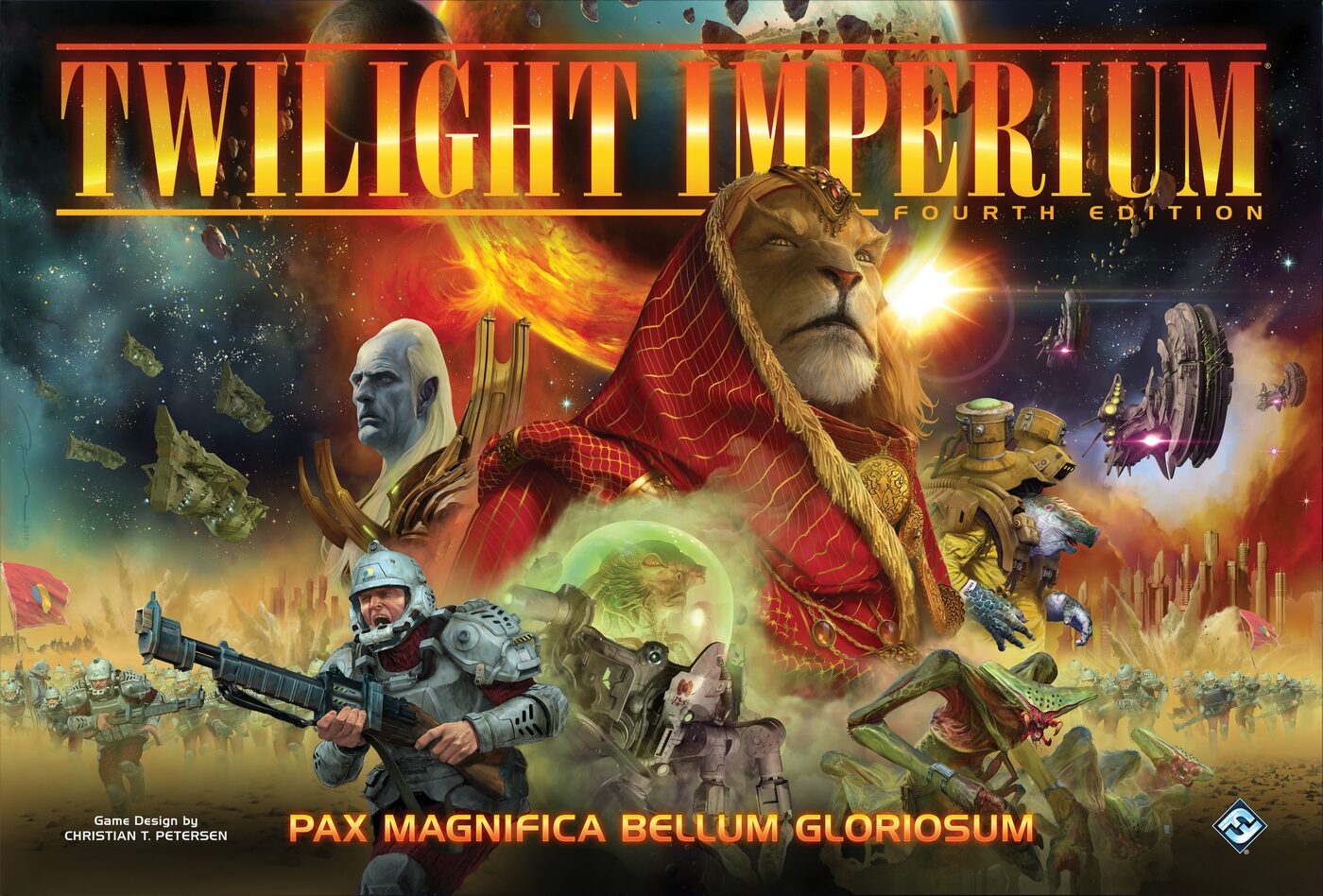
There’s a particular kind of shame that comes with owning Twilight Imperium: Fourth Edition. You bought it. You watched the Shut Up & Sit Down review six times. You unboxed it with ceremony. You punched the tokens and bagged the components and maybe - maybe - you read the first twelve pages of the rulebook before quietly sliding it back onto the shelf where it has lived, undisturbed, ever since. You are not alone. TI4 is the single most-owned unplayed game in the hobby. It sits at rank #7 on BGG with an average rating of 8.56 - one of the highest-rated games in existence - and yet the forums are full of people who’ve owned it for three years and played it zero times. ...
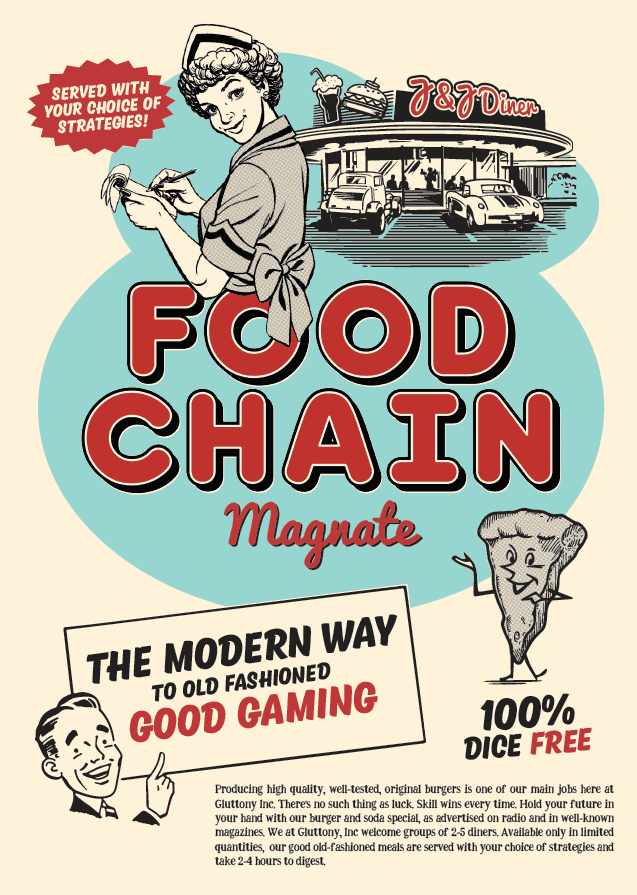
BGG Rank: #51 · Rating: 8.03 · Weight: 4.18/5 · Players: 2-5 · Time: 120-240 min · Designer: Jeroen Doumen & Joris Wiersinga There’s a very specific kind of board game story that people share in hushed, slightly ashamed tones. “We played Food Chain Magnate. I ran out of money by round four. My friend had six restaurants up and running. I had one. It was serving nobody. I offered to concede but we didn’t even know if that was allowed.” ...
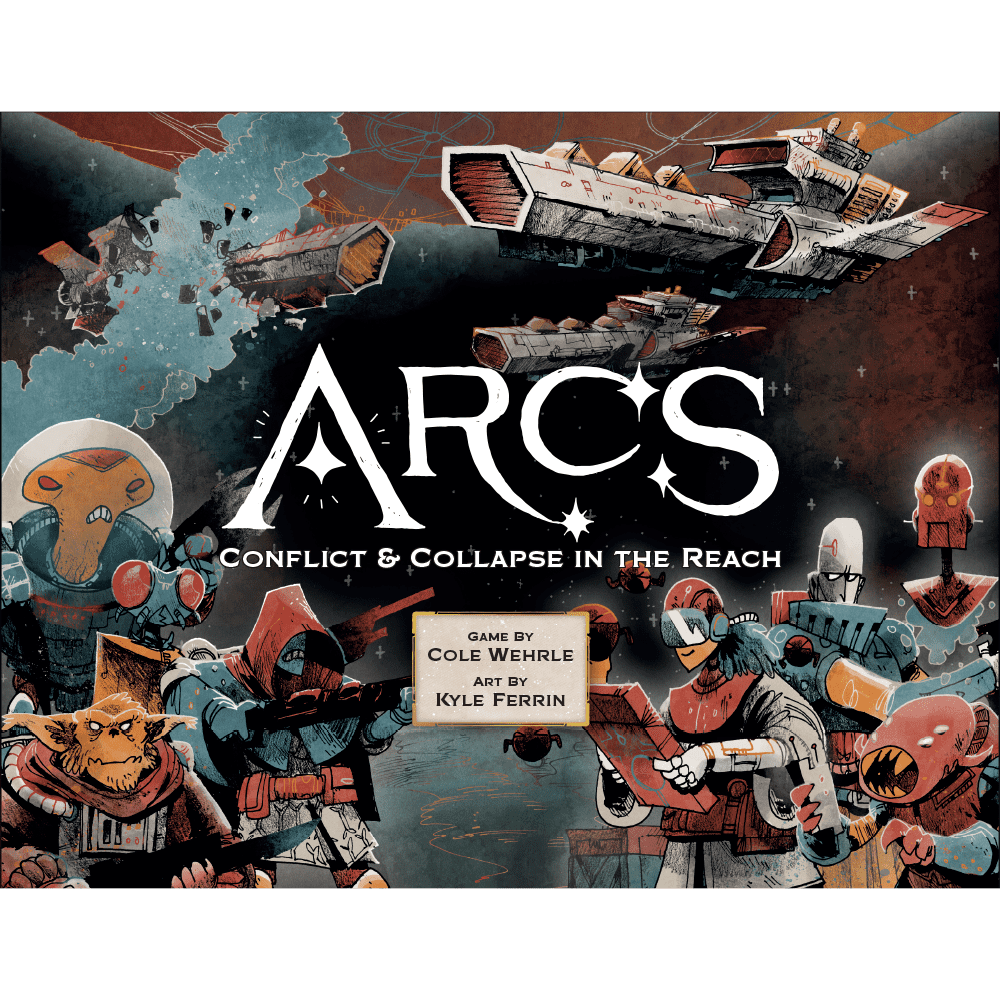
Cole Wehrle has earned a rare kind of designer trust. If his name is on the box, a certain tier of board gamer will buy it without reading the rules. Root, Oath, Pax Pamir 2nd Edition - the man has a track record. Arcs arrived in 2024 trailing that reputation like a comet tail. It sold out fast. It generated immediate debate. And now, two years in, it has settled into something more complicated than pure acclaim: a game that inspires real devotion from some players and genuine frustration from others. ...
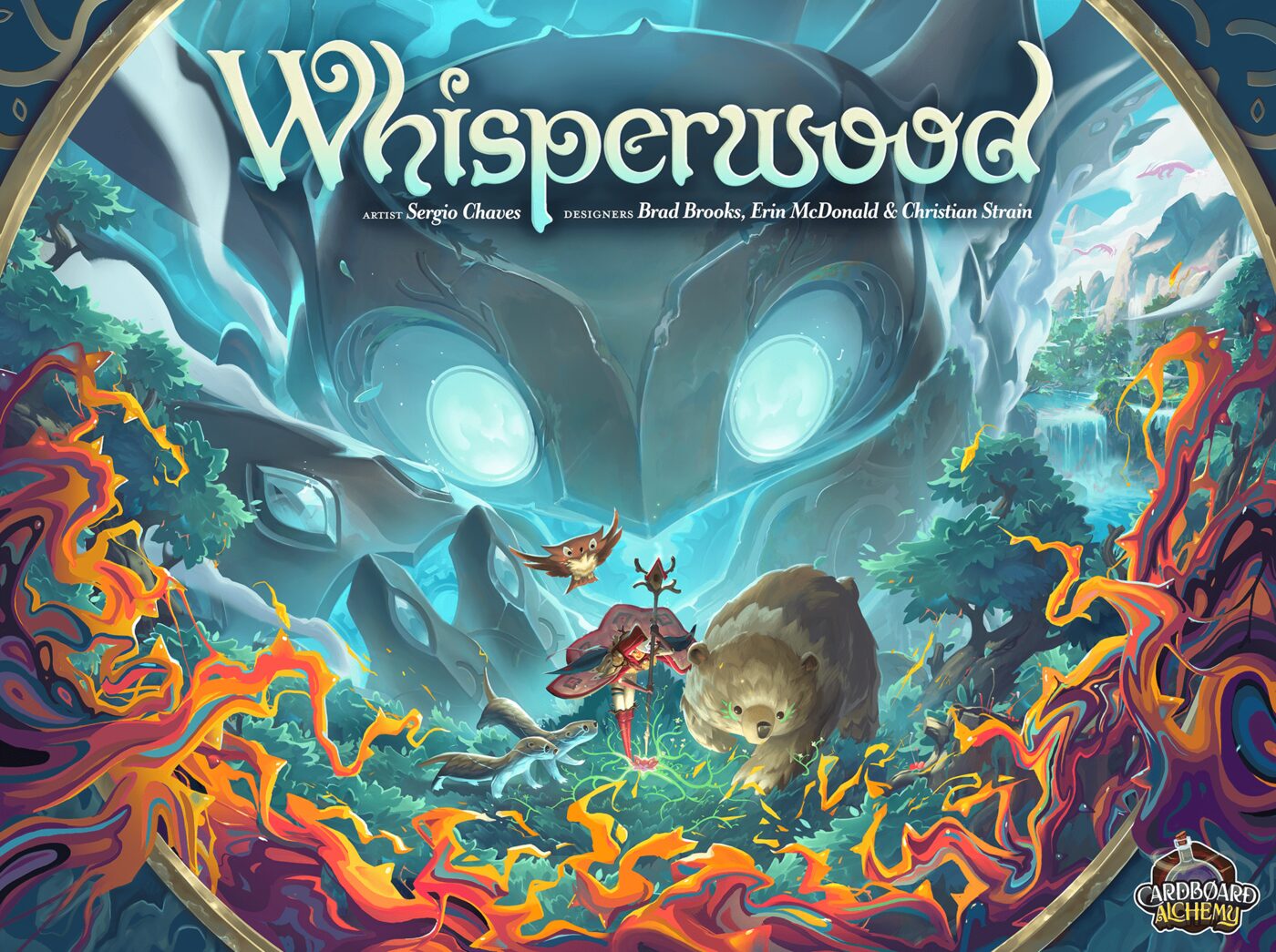
The Hotness chart got hit by a tidal wave this week. The big story is not one game. It’s three different kinds of attention landing at once: crowdfunding heat for Whisperwood, pure player-to-player momentum for Wildscape, and sequel trust for The Crew: Journey to the Ends of the Earth. Around those headliners, a second tier of lighter and more accessible games is also climbing, which makes this week’s chart feel unusually varied. That mix is really what this article is about: not just who is hot, but why they are hot, and what kind of attention each game is attracting. ...
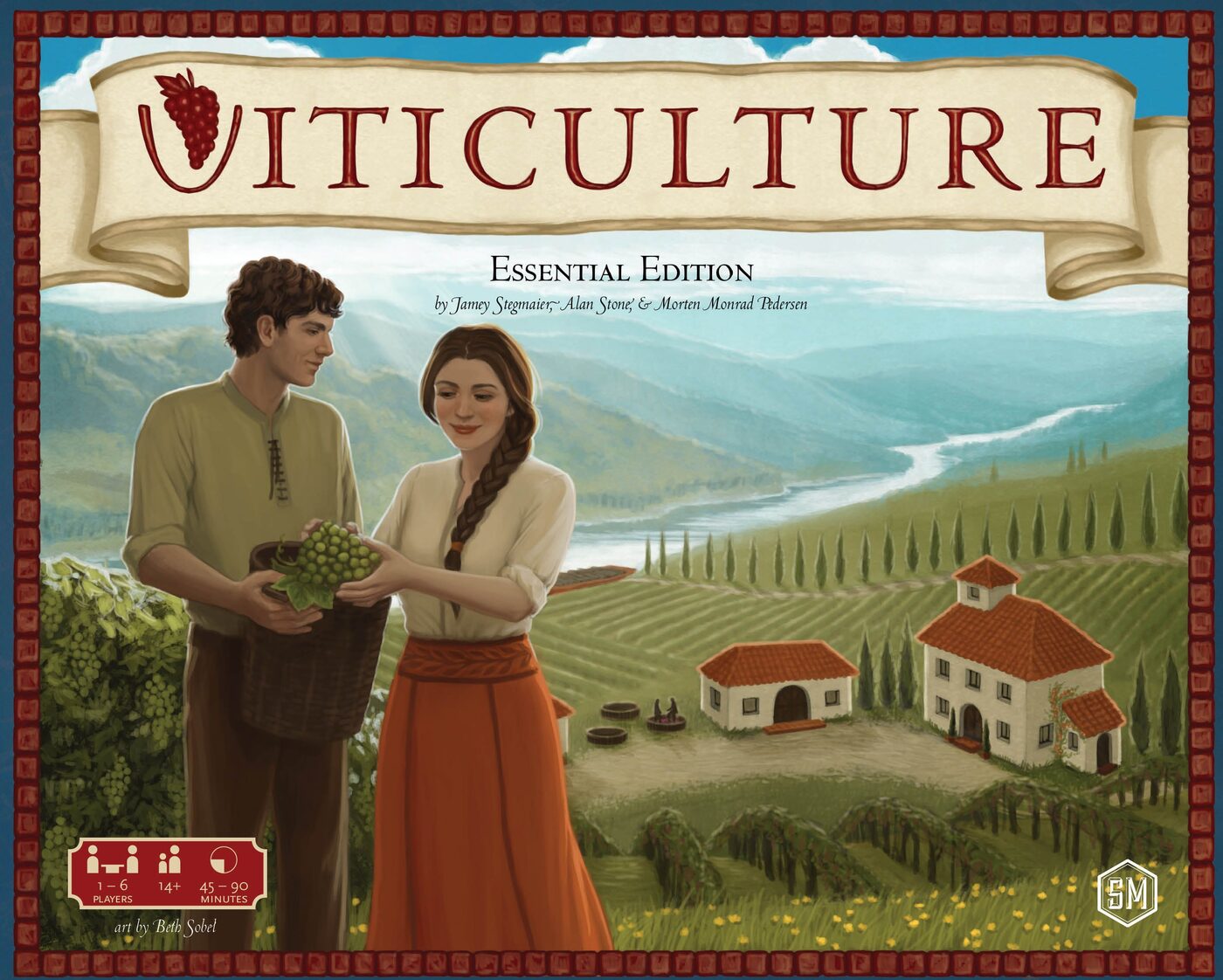
Viticulture Essential Edition - BGG #43 · Rating: 7.95 · Weight: 2.9/5 · Players: 1-6 · Time: 45-90 min There’s a specific feeling Viticulture gives you that’s surprisingly rare in board games: the sense that you’re tending something, not just optimising it. The wine-making theme isn’t window dressing - it shapes the pacing, the seasonality, the way you look across the table and think I needed that Grande Worker spot and you just took it. It’s competitive without being combative. Strategic without demanding a spreadsheet. And it scales beautifully from solo to six players. ...
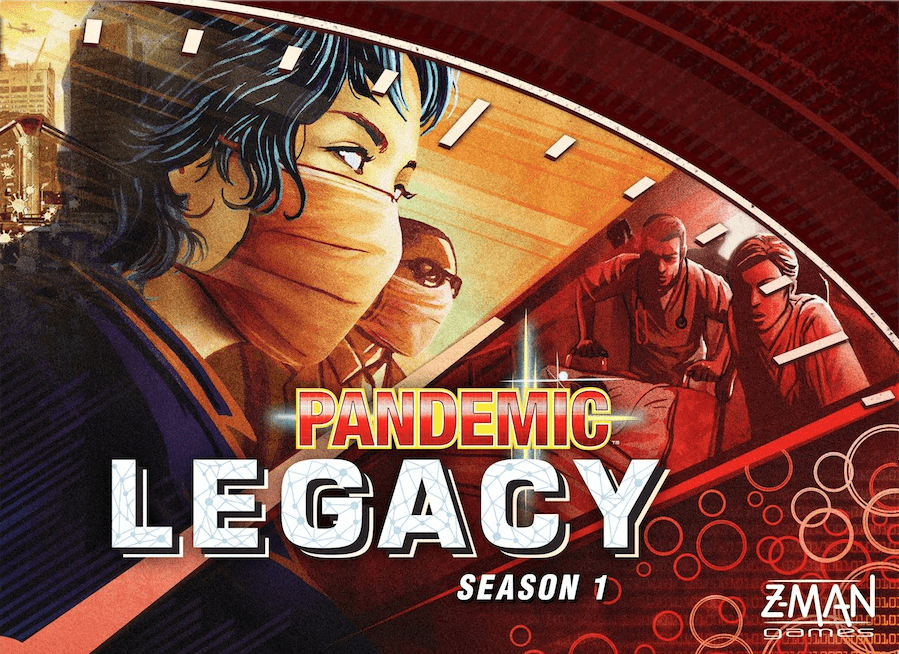
Working together against the game instead of against each other sounds simple. In practice, co-op games are one of the hardest design categories to get right - they live or die on whether the non-player systems feel genuinely threatening, whether individual contributions feel meaningful, and whether the whole thing collapses into one player quarterbacking everyone else into submission. The best cooperative board games avoid all of that. This list covers seven games that do it well, with verified BGG data for every entry and a clear pointer to who each one is actually for. No filler, no padding - just the games worth buying. ...
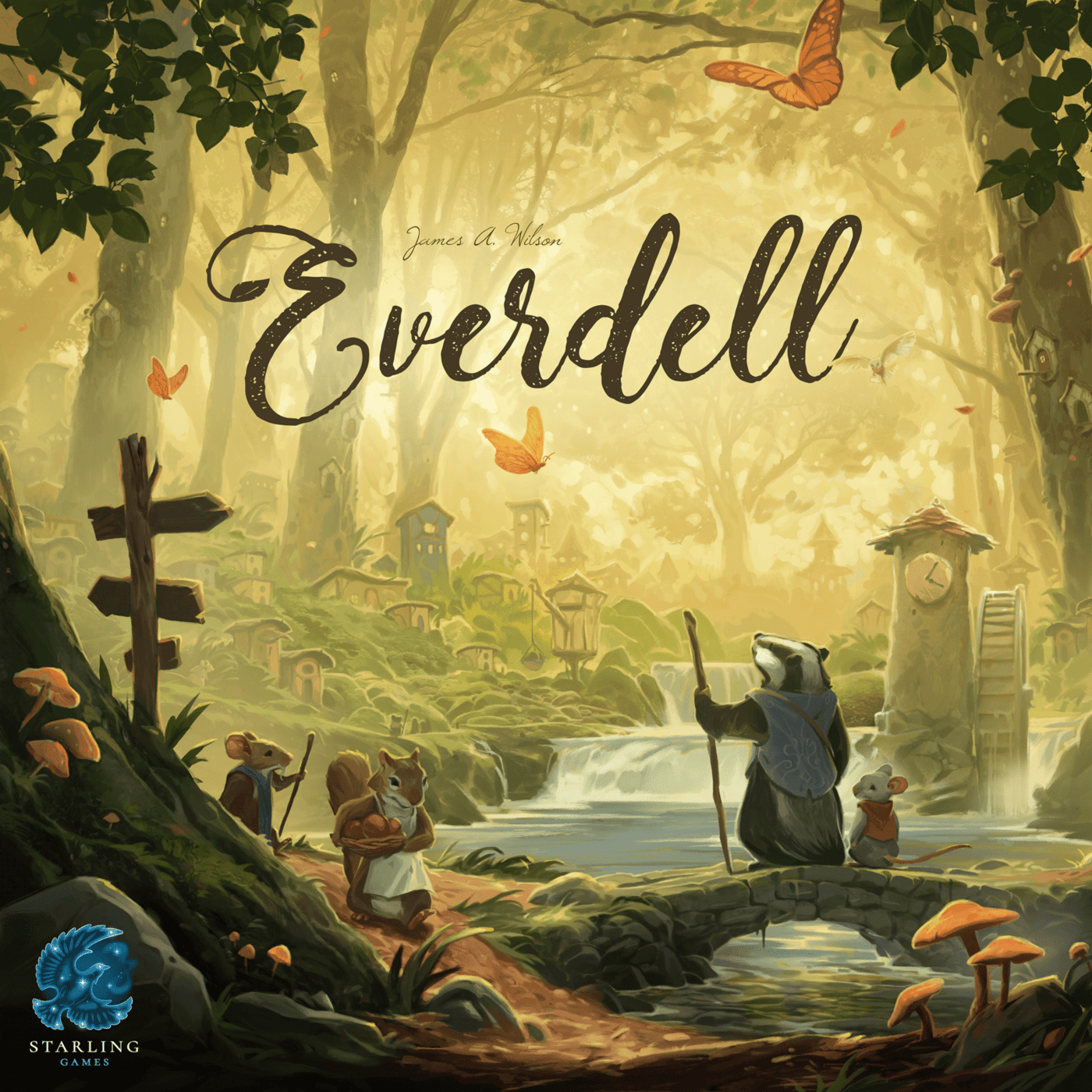
Two nature-themed engine builders. Both gorgeous. Both in the BGG Top 50. Both sitting on wishlists worldwide, often right next to each other. Everdell and Wingspan get compared constantly - and it makes sense. On the surface they look almost interchangeable: cards, animals, icons, engines, pretty art. But spend a couple of hours with each and you’ll realise they’re solving very different design problems. The mistake is treating this as a “buy one or the other” decision without knowing what each actually does. ...
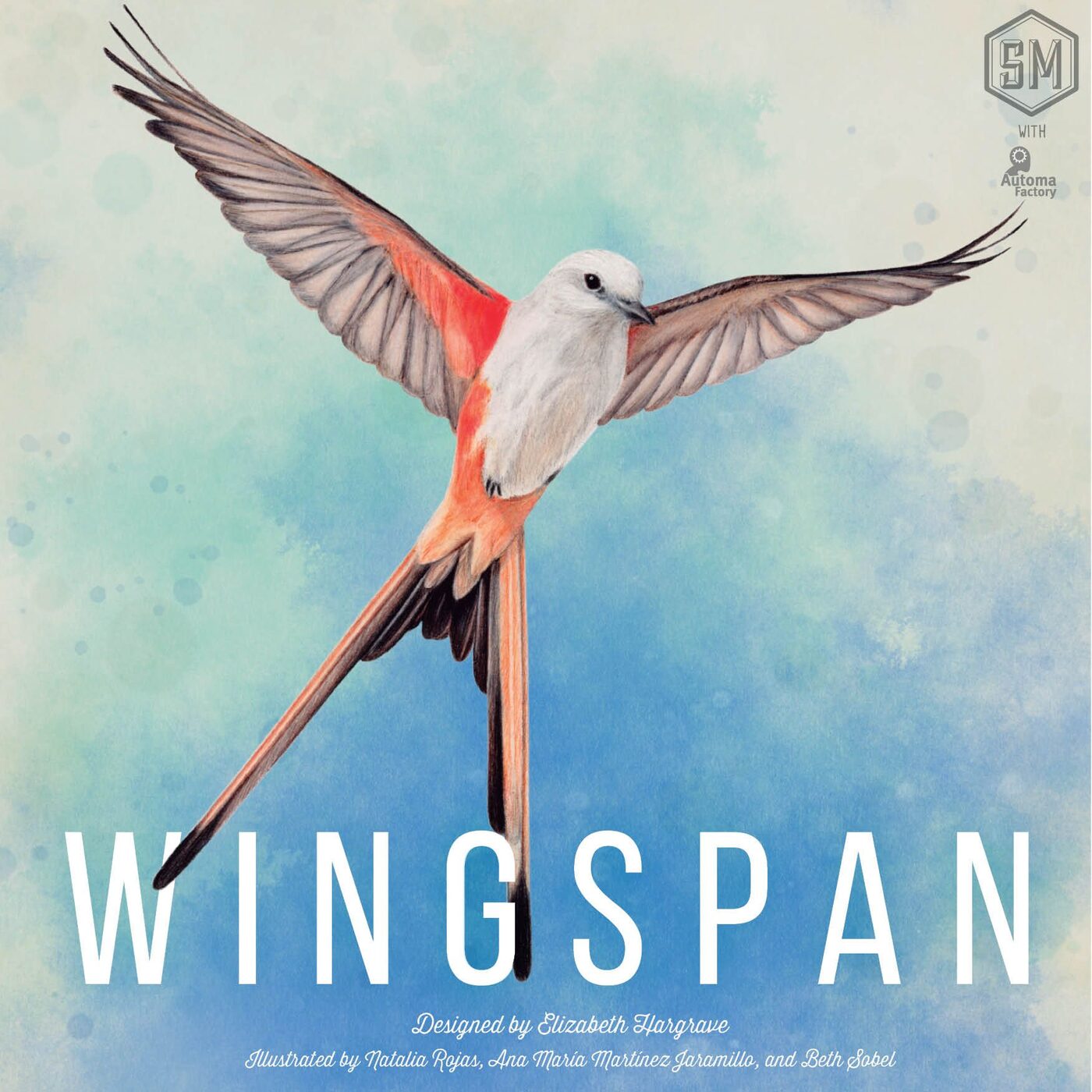
Wingspan is the game that seemingly everyone owns. It’s sitting at #38 all time on BGG with over 115,000 ratings and an average score of 8.0. Designer Elizabeth Hargrave built something genuinely special: an engine-builder themed around bird habitats that’s pretty enough to stop strangers at a coffee shop. But here’s the question that actually matters for solo players: does the Automa system turn this into a satisfying solo experience, or is it just a way to fill the player count minimum? ...